The Threat of a Free Haiti
The Haitian Revolution sowed fear in the hearts of Cuba's slaveholding class.
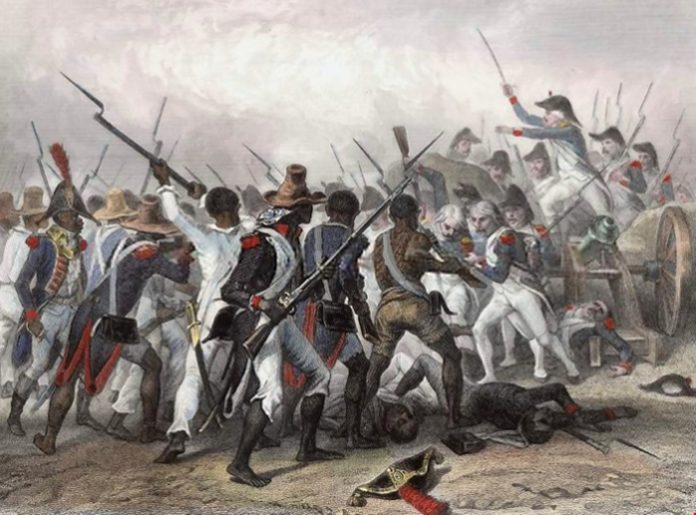
In 1791, while France entered the early stages of its revolution, the slaves of its Caribbean colony, Saint Domingue, rose up and took arms. It was the first successful slave revolt in history, one that overthrew white colonial rule and established the new state of Haiti in 1804.
The Haitian Revolution sent shivers through European possessions across the Caribbean and Latin America, and into the newly independent United States. It became a tremendous symbol of hope for slaves throughout these countries, and one of tremulous fear for their masters, particularly those living in the colonies. Its effects extended to the South American independence movement led by Simón Bolívar, and to France, particularly during the more radical periods of its own revolution.
In Freedom’s Mirror: Cuba and Haiti in the Age of Revolution, historian Ada Ferrer undertakes a comprehensive evaluation of the impact made by the Haitian Revolution on Cuba, then still a Spanish colony located only fifty miles from Haiti’s western sea borders.