The US Propped Up the Shah’s Dictatorship to the Bitter End
The shah of Iran faced a secular opposition that wanted to restore constitutional government. Washington continued to back his dictatorship as it faced mass protests, paving the way for Ruhollah Khomeini to establish a theocratic system after its fall.
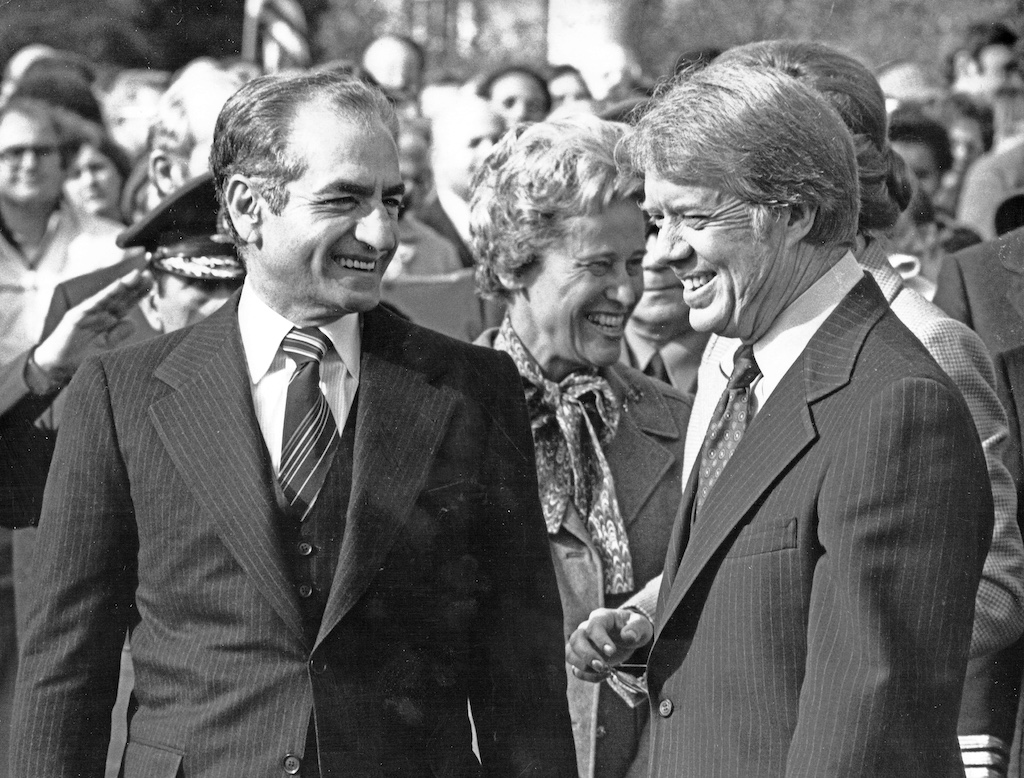
The pivotal years of 1977 and 1978 coincided with the presidency of Jimmy Carter, whom many (including the shah himself) hold responsible for undermining his throne. (Benjamin E. “Gene” Forte / CNP via Getty Images)
Scott Anderson’s new book, King of Kings, takes its title from the English translation of “Shahanshah,” the official Persian-language title of Mohammad Reza Pahlavi, Iran’s last king or shah, who was overthrown during a popular revolution in 1979.
Anderson, a US political journalist who has previously written both novels and nonfiction works, like the best-selling Lawrence in Arabia, approaches this true-life story in the dramatic style of a fictional work.
In line with previous accounts of the Iranian Revolution, it focuses on the ways in which the shah’s delusional despotism, aided and abetted by a succession of US administrations, paved the road for Iran’s revolution.