Humanity Needs Democratic Control of AI
The danger from artificial intelligence isn’t a Terminator-style robot uprising but tech capitalists using the technology to push their own interests. Seizing control from them is the best way to ensure algorithmic technology serves the social good.
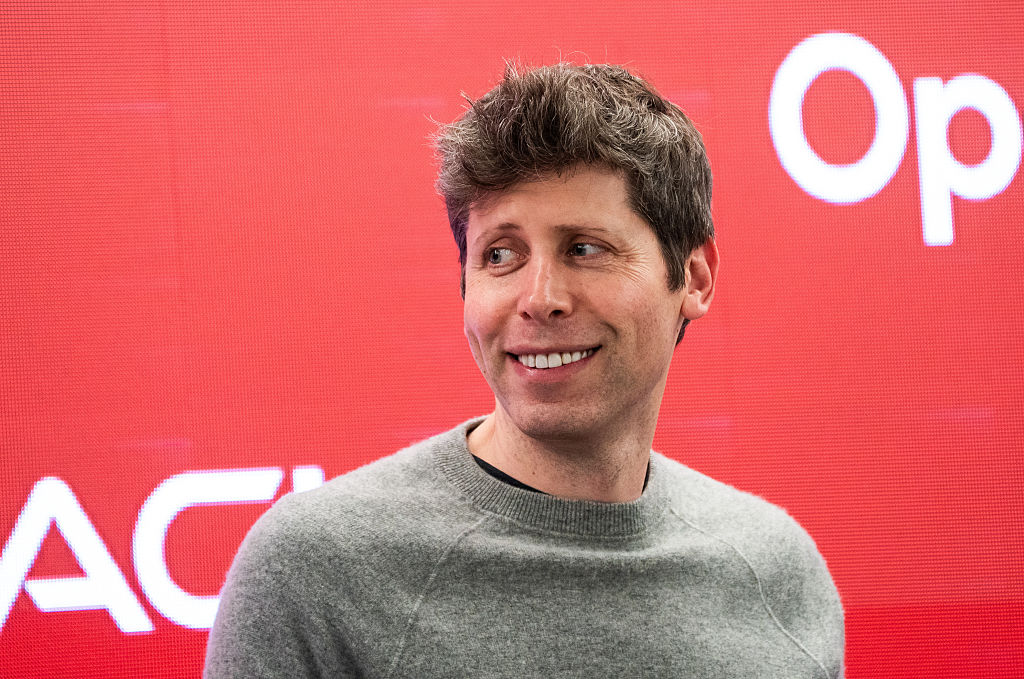
The objectives encoded in AI systems ultimately mirror the priorities of those who control the “means of prediction.” (Kyle Grillot / Bloomberg via Getty Images
When a predictive algorithm denied thousands of black applicants fair mortgage approvals in 2019, it wasn’t a glitch but a design choice — reflecting the priorities of profit-driven tech giants. In The Means of Prediction: How AI Really Works (and Who Benefits), Oxford economist Maximilian Kasy argues that such outcomes are not accidents of technology but the predictable results of who controls it.
Just as Karl Marx identified control over the means of production as the basis of class power, Kasy identifies the “means of prediction” (data, computational infrastructure, technical expertise, and energy) as the foundation of power in the AI age. As such, AI becomes a battleground, where algorithms shape the future to serve tech owners rather than the working class. Kasy’s provocative thesis exposes AI’s objectives as deliberate choices, encoded by those who control its resources to favor profit over social good. Only by seizing democratic control of the means of prediction can we ensure that AI serves society at large rather than the profits of tech giants.
Kasy begins by demystifying AI, grounding it in the mechanics of machine learning, where algorithms predict future outcomes based on past data. But which future outcomes are algorithms programmed to predict? Social media platforms, for instance, collect vast amounts of user data to predict which ads maximize clicks, hence maximizing expected profits. In pursuing engagement, algorithms have learned that outrage, insecurity, and envy keep users scrolling. The result is a surge in anxiety, sleep deprivation, and body-image distress — especially among teenagers — driven by algorithmic comparison and targeted advertising.