The Impossible Film
In the late 1920s, the great Soviet director Sergei Eisenstein made notes for a dream project: Das Kapital, the film.
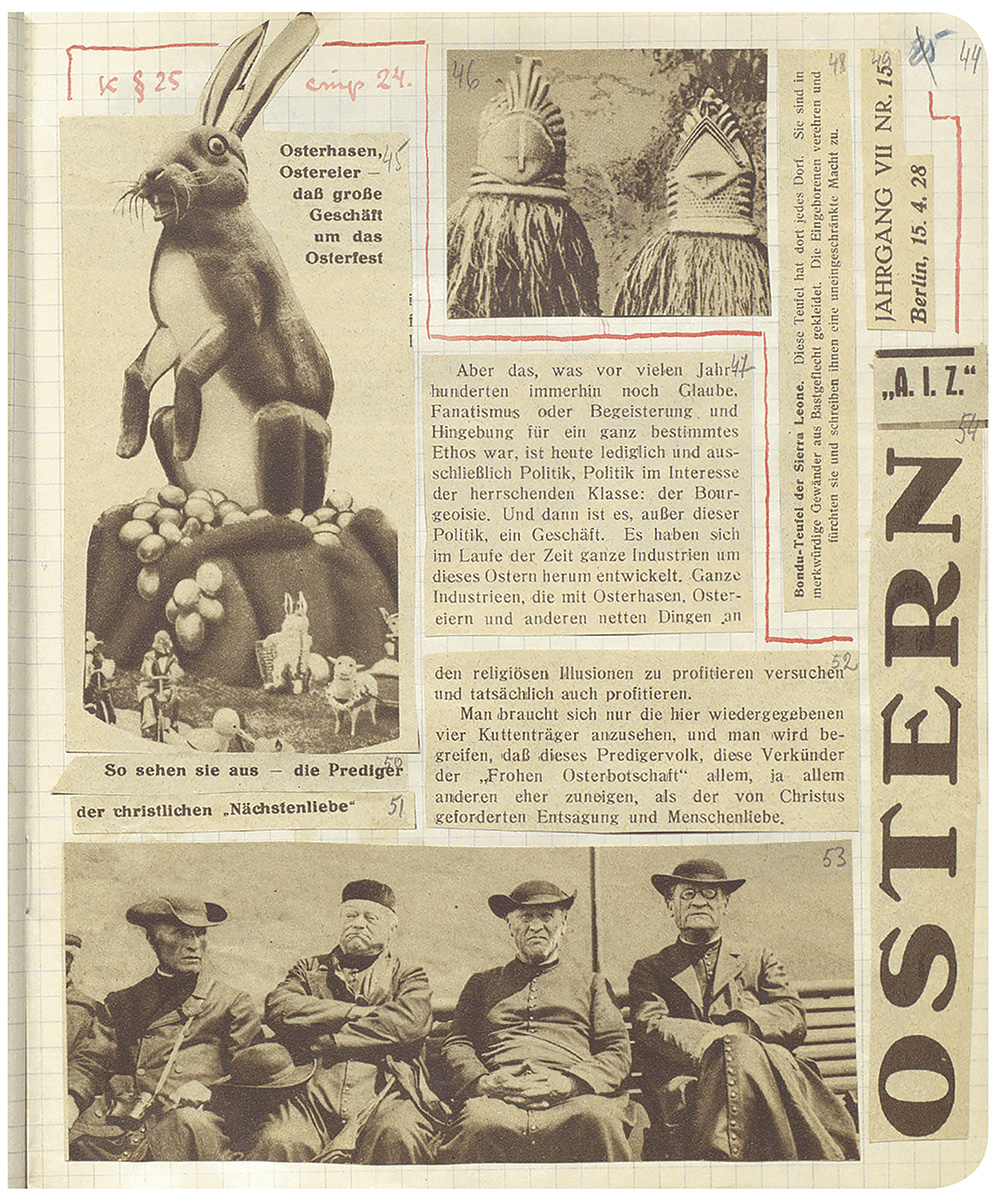
(“The Capital Diaries: A New Selection.”)
In the late 1920s, Soviet filmmaker Sergei Eisenstein began a quixotic project: adapting Karl Marx’s Capital into a film. But Eisenstein wasn’t trying to tell a conventional story. He wanted to create a cinematic version of Marx’s own method — chaotic, sprawling, illuminating.
His notes for Capital are not a script but a surreal, fragmented hypertext — a visual explosion of dialectical thinking, inspired above all by James Joyce’s Ulysses. Nearly a century later, Eisenstein’s Capital diaries give insight into what was not just a failed project but its own radical artwork: a way of making Marx’s method exuberant, emotional, and alive. Edited by Elena Vogman and translated by Michael Kunichika, these notebooks showcase a mind on fire grappling with problems of linguistics, mathematics, physics, psychology, and economics in a breathless totality.
Vogman notes that Eisenstein’s Capital project was incompatible with the Soviet government’s increasingly conservative line on both art and politics, yet perhaps the reason it was never made is that it pushed against the realm of possibility. Like David Foster Wallace’s Infinite Jest, another famously unfilmable hypertext, or philosopher Walter Benjamin’s incomplete Arcades Project, it defies simple comprehension or adaptation. Eisenstein’s Capital diaries comprise three notebooks covered in palimpsestic paratexts in at least four languages: Russian, French, German, and occasionally English. They provide no cinematic treatment; nor is any single, explicit quote or reference to Marx — or to Joyce, for that matter — made within the text.