The Rise of the Meritocratic Elite
Unlike in previous eras, elite reproduction today is now hidden under the veil of meritocracy — creating a need among the rich to present themselves as if they were just like us.
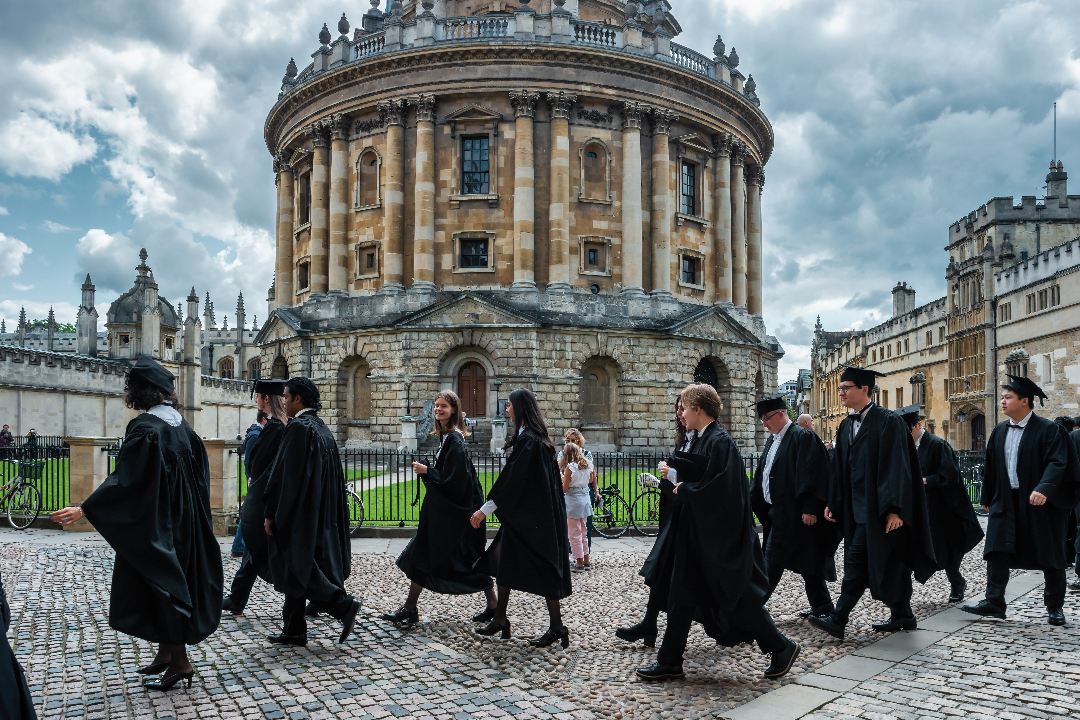
Although the mechanisms through which people reach elite positions in the UK are still hugely important, they are now essentially hidden under the veil of meritocracy. (iStock / Getty Images)
The term “elite” is used by the Left and Right to label vastly different groups of people. This liberal usage of the notion of an elite has given rise to some distorting ideas about politics and society. Terms like “urban elite” or “coastal elite,” which in many cases describe 40 percent or more of the population in countries like the United States and the United Kingdom, do little to help us understand how power functions within a given country, let alone what the culture and values of the powerful are.
In Born to Rule: The Making and Remaking of the British Elite, the sociologists Aaron Reeves and Sam Friedman set out to understand who makes up the elite. Focusing on Britain and the top 0.001 percent of the ruling class, they found that despite the exclusiveness of this group, which is made up of around six thousand people, its membership was open to change. The elite of the twenty-first century are, Reeves and Friedman found, more diverse than they were the previous century. However, they are still reproduced through a narrow set of educational and social institutions. While no society could function without a class of people responsible for managing economic, cultural, and educational institutions, today’s meritocratic elite have served to legitimize a world of inequality and working-class weakness.
Sam Friedman spoke to Jacobin about his book Born to Rule: The Making and Remaking of the British Elite which offers insights that can shine light on how elite power operates across the globe.