Religiosity Isn’t Done Changing Our World
Reza Aslan, one of the foremost scholars of religion in America, talks to Jacobin about Jesus the revolutionary, Palestine, and the continued growth of religion in the world.
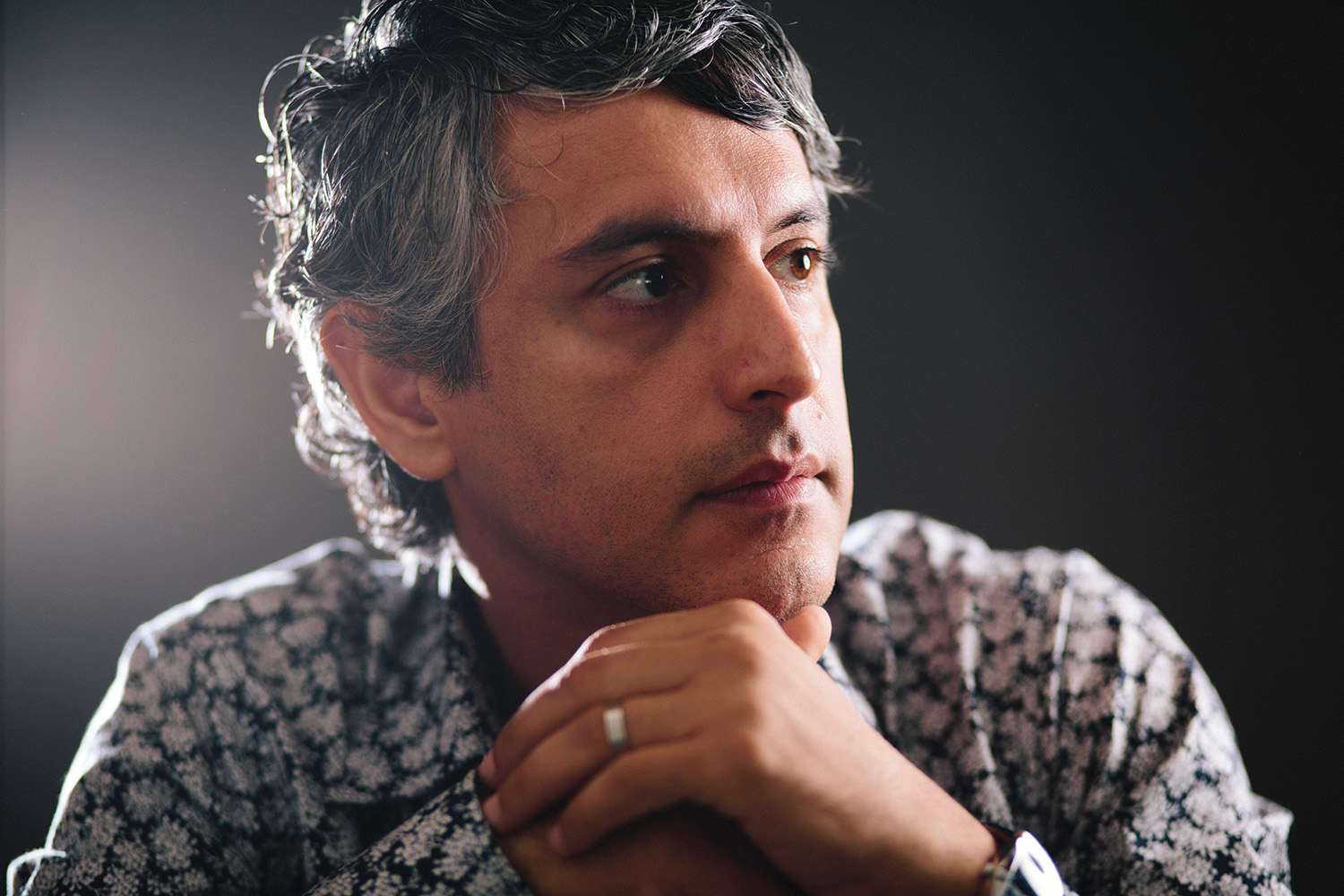
(Bret Hartman / Washington Post / Getty Images)
Editors
In Zealot, you offer up a reading of Jesus as a first-century revolutionary. What do we gain from such an interpretation?
Reza Aslan
Well, I suppose the most important thing that we gain is accuracy. Over the last two thousand years, through a very deliberate attempt early on by the second generation of Christians, and then certainly by the Roman Empire as it began to adopt Christianity as the imperial religion, there was a necessary desire to depoliticize Jesus — to strip him of the very clear and obvious political connotations of his spiritual message.
What is interesting two thousand years later is that, as we try very hard to separate religion and politics, we have a very difficult time going back and looking at Jesus’s words and actions and understanding them as a product of his time and place.