The Many Lives of James Baldwin
James Baldwin shaped a generation of American writers, many of whom later dismissed his humanistic outlook as naive. Today he is once again celebrated, but a new biography shows that his life was more complex than his viral fame suggests.
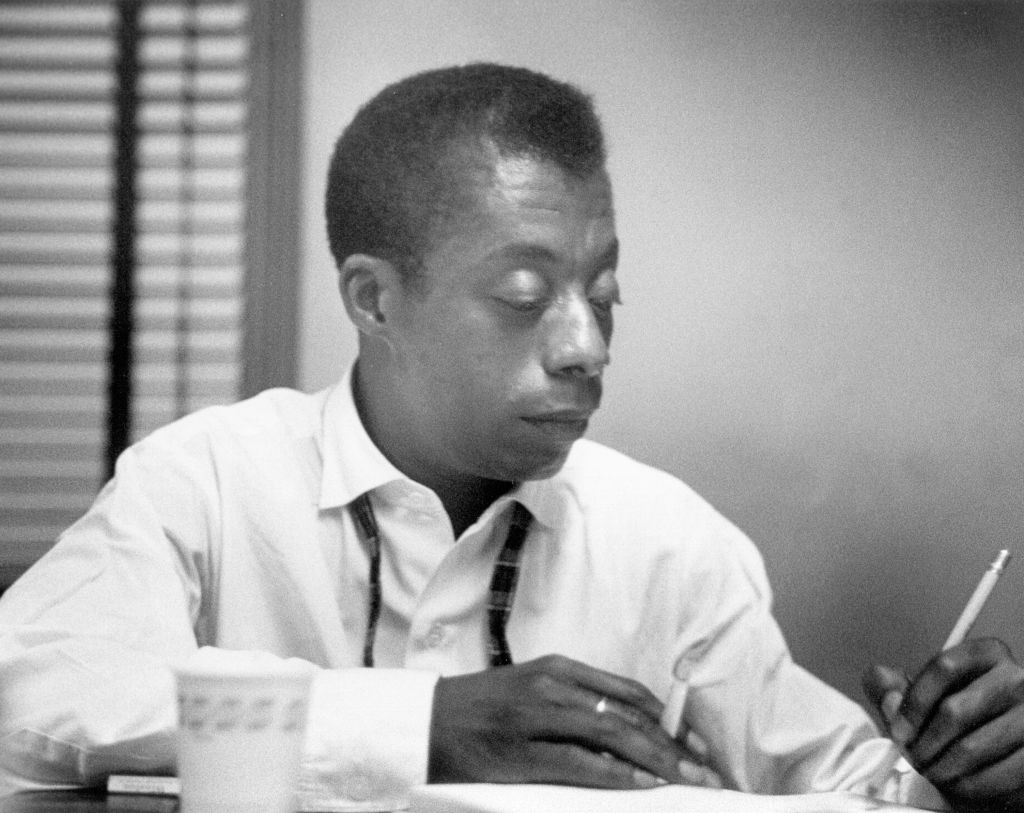
As social media distills James Baldwin’s prose into soundbites, a new biography restores the politics and nuance behind his often misunderstood writing. (Getty Images)
James Baldwin has become the literary pinup of a generation. In 2025, he is everywhere: his most famous quotations stamped on viral infographics while his face is sold on mugs, t-shirts, and tote bags. The Fire Next Time has become a bestseller on both sides of the Atlantic, redesignated as a how-to guide for dismantling structural racism. Perhaps unsurprisingly, Baldwin has even reached TikTok, where five million videos are currently tagged under his name.
We can trace the arc of this resurgent popularity back to 2014. On August 9 of that year, Michael Brown — an unarmed black teenager — was shot and killed by white police officers in Ferguson, Missouri. The following day, Ferguson was flooded by demonstrators, and over the course of two weeks, thousands more protesters from across the country would take to the streets, inaugurating the largest social-justice movement of the twenty-first century, Black Lives Matter.
It was during this period of unrest that many of Baldwin’s most iconic quotations first started to recirculate on social media, frequently attached to the hashtag #BLM. The author’s frank analysis of American racism resonated with protesters, and the aphoristic qualities of his prose — perfected during his days as a child preacher — proved ideally suited to a the new era of digital activism, distilling complex ideas into a number of memorable slogans under the essential 140 character limit.