Central Bank Capitalism Is Forcing the Global South Into a Debt Crisis
- Adam Baltner
The Federal Reserve and the European Central Bank are withdrawing money from markets in the name of fighting inflation. But the move is aggravating the pressures of debt on the Global South — and pushing states toward ruinous austerity measures.
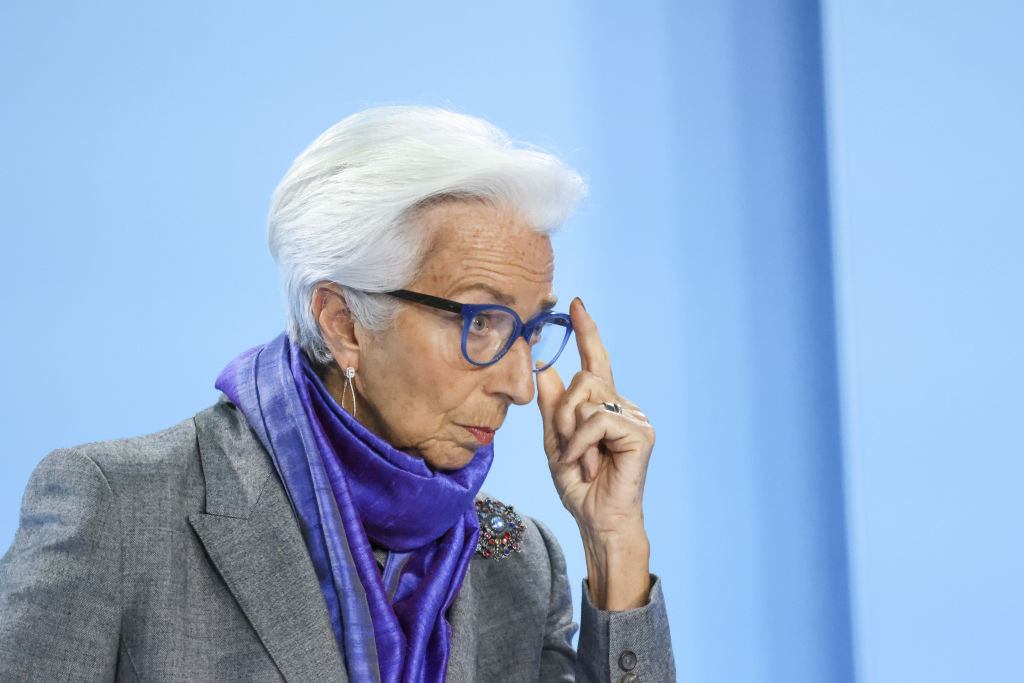
Christine Lagarde, president of the European Central Bank, at a news conference in Frankfurt, Germany, December 15, 2022. (Alex Kraus / Bloomberg via Getty Images)
The current policies of the European Central Bank (ECB) and the Federal Reserve are being sold by bankers and most economists with the argument that they lack any alternative. After more than ten years of lax monetary policy that guided as much money into markets as possible, increased liquidity, and stimulated inflation, a shift is underway. Now money is actively being withdrawn from markets to fight inflation.
Advocates of this shift ignore that other instruments of economic policy — notably, comprehensive price caps, taxes on corporate profits, and redistributive measures — are far better suited to fighting inflation than the current focus on monetary policy.
In light of this, it is hardly surprising that, outside of the business press, the impact of monetary policy decisions in the Global North on the states of the Global South are rarely even mentioned, let alone debated. When currencies of the Global North, and especially the US dollar, become stronger (the stated goal of the current policy shift), states in the Global South come under pressure, as their currencies become comparatively less valuable.