The European Union Was Built on a Rejection of Democracy
The EU’s handling of recent crises has shown its lack of respect for democratic choice. This isn’t just a problem of having to take emergency measures: it’s the result of a decades-old project to remove economic decisions from popular control.
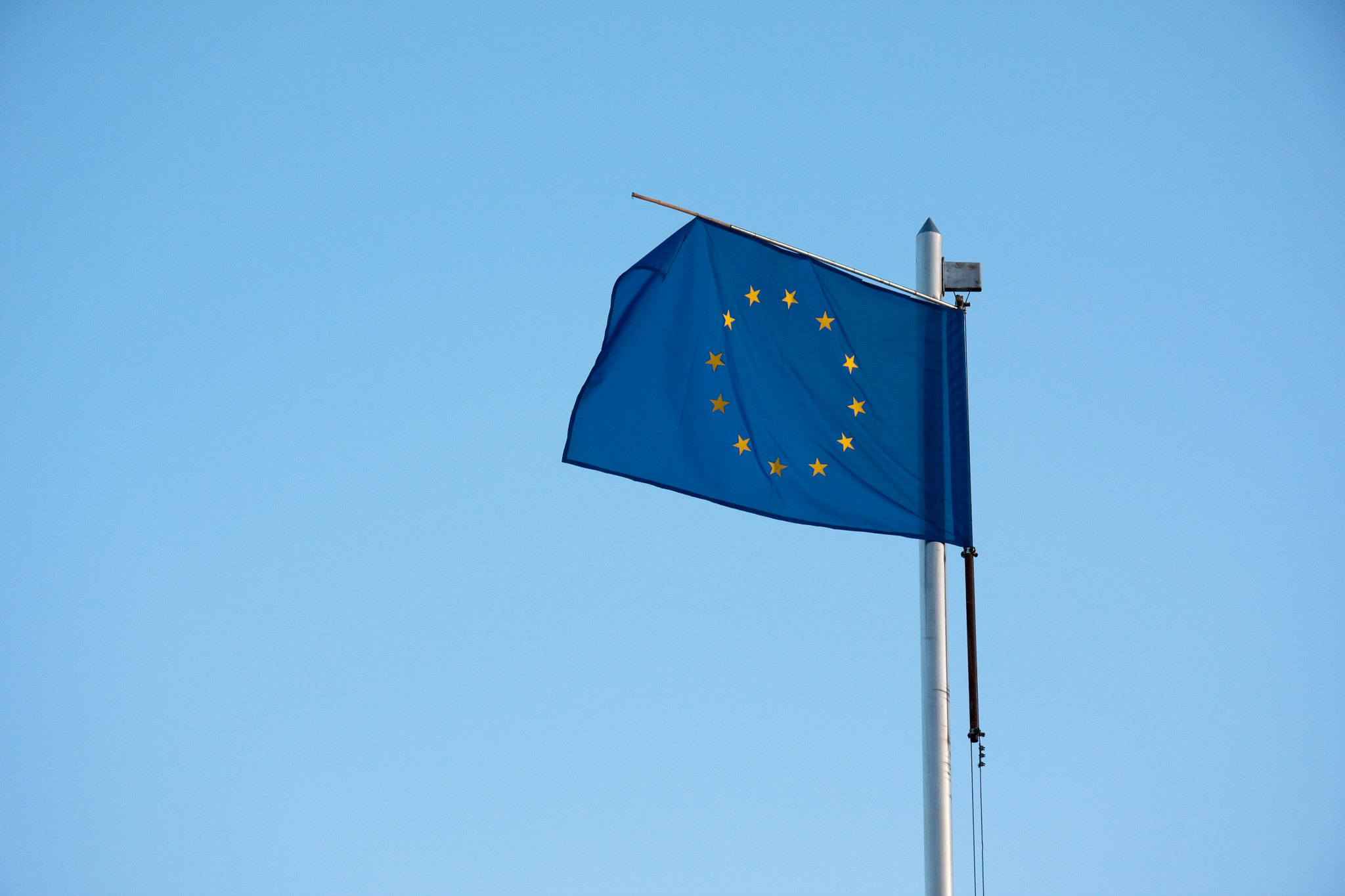
Attachment to the project of European integration became a fatal trap for the Left. (Old Photo Profile / Flickr)
The European Union’s handling of the sovereign debt crises of the last decade brought its undemocratic aspects to the fore. Even where governments were elected promising to end the pain of austerity, as in Greece in 2015, leaders of European institutions lacking any popular mandate stuck to their own dogmas. The pandemic brought another wave of European interventions, not always with the same rhetoric, but again with little real democratic process. But there are also big questions, including on the Left, about what can be done about this situation. Are the EU’s undemocratic aspects a result of crises, with its response mechanisms becoming hard-coded in its institutions? Or have these elements always been there?
These are questions that Michael Wilkinson addresses in his major study Authoritarian Liberalism and the Transformation of Modern Europe. He argues that the ordoliberal dogma was the EU’s key ideological reference since its conception in the Golden Age. Deconstructing idealized neoliberal accounts that see the EU as the beacon of Western values, he shows its real, much less admirable political makeup. Jacobin’s George Souvlis spoke to Wilkinson about his study.
George Souvlis
Why did you decide to write Authoritarian Liberalism and the Transformation of Modern Europe? To what extent is it a departure from your previous writings?
Michael Wilkinson