Punk Versus Reagan
A new book on American punk paints the movement as the last gasp of left-wing cultural resistance in the 1980s.
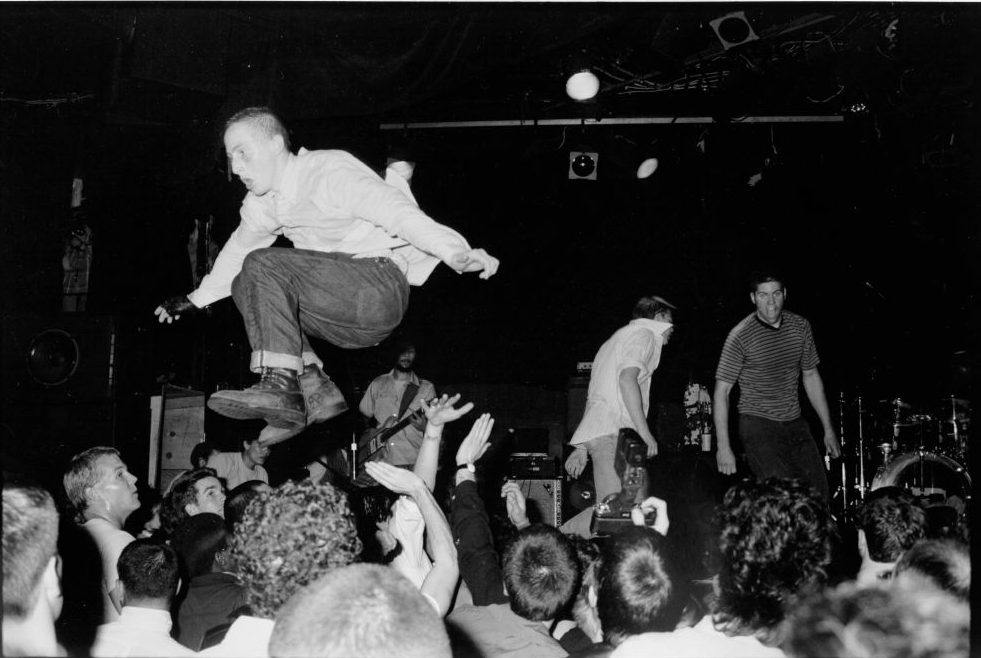
(Michael Ochs Archives / Getty Images)
In music, ubiquity breeds misunderstanding. The minute any genre breaks into the mainstream, its gestures and aesthetics become diluted, mass-marketed. The meaning that gave them urgency is boiled away. An insurgent scene, full of rebellion and creativity, is suddenly not so rebellious anymore, and far less creative.
This is what happens when art is commodified. Questions raised by this process are enough to stymie anyone preoccupied with the role of artistic expression. Does “turning rebellion into money,” as Joe Strummer once put it, necessarily neutralize authentic rebellion? Can a scene “go mainstream” without being sanitized — transforming the mainstream rather than the other way around?
These questions apply to virtually any artistic community over the last century, but they seem particularly contentious when punk is brought up. Nobody can deny the transformative impact punk rock has had on culture, evident in everything from couture fashion to the fact that Green Day continues to sell millions of records, with a hit Broadway show to their name, too.