The Whitlam Coup
In 1975, the Queen’s loyal representative, governor-general John Kerr, decided he’d had enough of Australian social democracy.
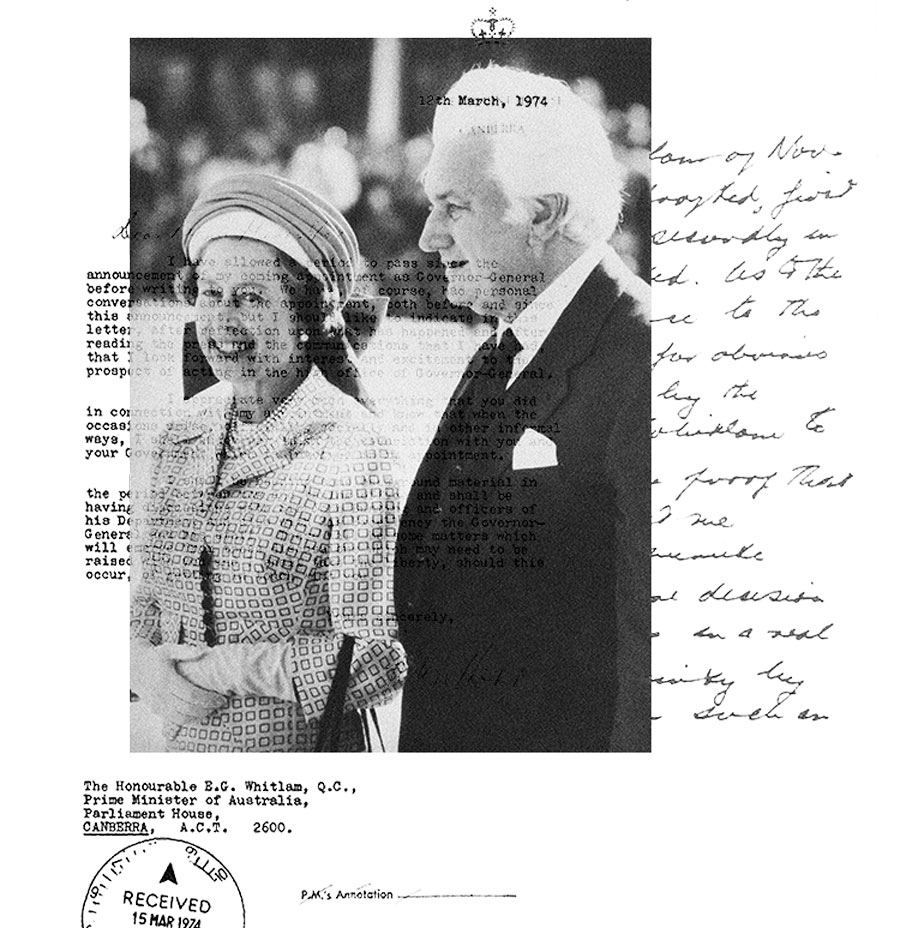
Like the parliamentary mace or those wigs English barristers wear, the position of governor-general is a holdover from colonial times that no one really knows the point of anymore. Those of us in the Commonwealth are always told it’s a symbolic role with no real power, and that the Queen doesn’t actually still have any influence over our politics. And that’s true — except for that one time that Australia’s governor-general carried out a soft coup against its social-democratic prime minister.
Acting as the Queen’s representative in one of Her Majesty’s colonial outposts, the governor-general’s job is to do all of the thankless tasks the Queen would usually be dragged to — awards ceremonies, events, and the like — as well as duties that are, technically, essential for the country to function: appointing the government after the votes are counted, or giving the formal royal approval that bills need to become law once they’re passed in parliament.
Sure, this seems like a lot of power on paper, especially for an unelected bureaucrat technically working for the monarch of another, faraway nation. But in practice, the Queen and her representative are just royal window-dressing, serving as a rubber stamp for whatever that country’s elected representatives decide to do. They would never really insert themselves into another country’s politics. At least that’s the theory.