A Century After “Ten Days”
John Reed penned the definitive account of the October Revolution — and paid a heavy price for it.
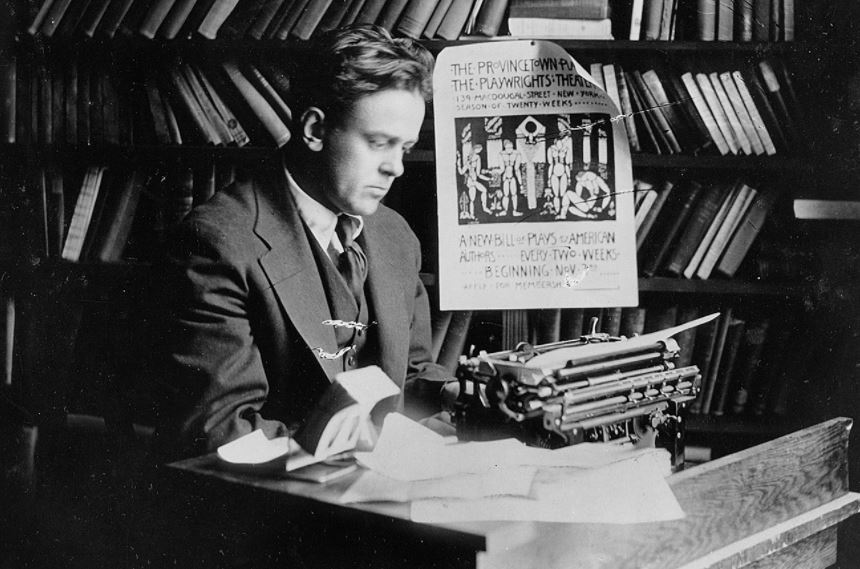
John Reed in the United States. Croton Historical Society
John Reed arrived in Petrograd at the dawn of history. The globetrotting journalist had traveled to Russia with his feminist wife Louise Bryant as soon as news of impending revolution broke. It was 1917, and “Jack,” as his friends knew him, had a front-row seat to the October Revolution.
Famous for his vivid firsthand accounts of labor conflict and war, Reed was the perfect writer to tell the electrifying story of Lenin and the Bolsheviks seizing power. Ten Days that Shook the World, Reed’s celebratory account of the Russian Revolution, is now hailed as an American classic. George Kennan of all people praised it as “a reflection of blazing honesty and a purity of idealism.” In a recent New York Times retrospective, Condoleezza Rice, no Bolshevik, writes that Ten Days “provided a riveting and vivid — if not impartial — account of the most pivotal phase of the revolution, as viewed from the ground.”
But Reed’s “slice of intensified history,” as he called it, had trouble finding an audience at first. “Here by wide acknowledgement,” a sympathetic Reed biographer wrote, “was a great American journalist, an eyewitness to the greatest story of the time, but not an editor outside the tiny radical press would give him an inch of space.”