The Left Needs a 21st-Century Popular Front Strategy
The path forward for the rising US socialist movement will be through a contemporary popular front, argues DSA leader Sam Lewis. We should look to history to avoid the pitfalls of such a strategy that ensnared previous generations of leftists.
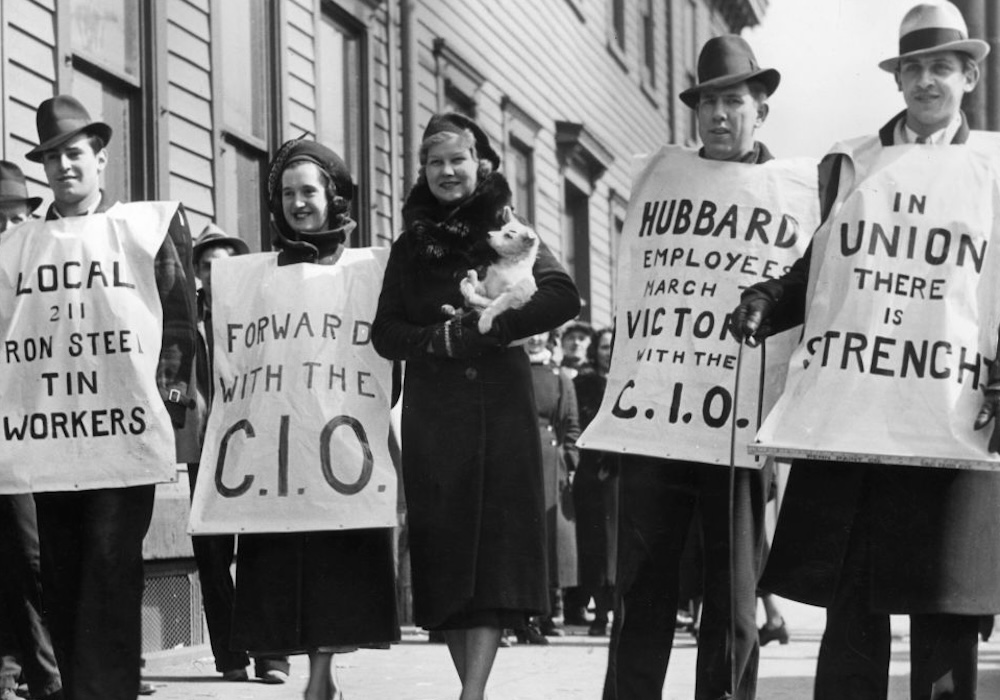
A popular front strategy for the Left today would mean socialists’ participation in broad social alliances while building independent power and competing with liberals for leadership in the front against the Right. (Hulton Archive / Getty Images)
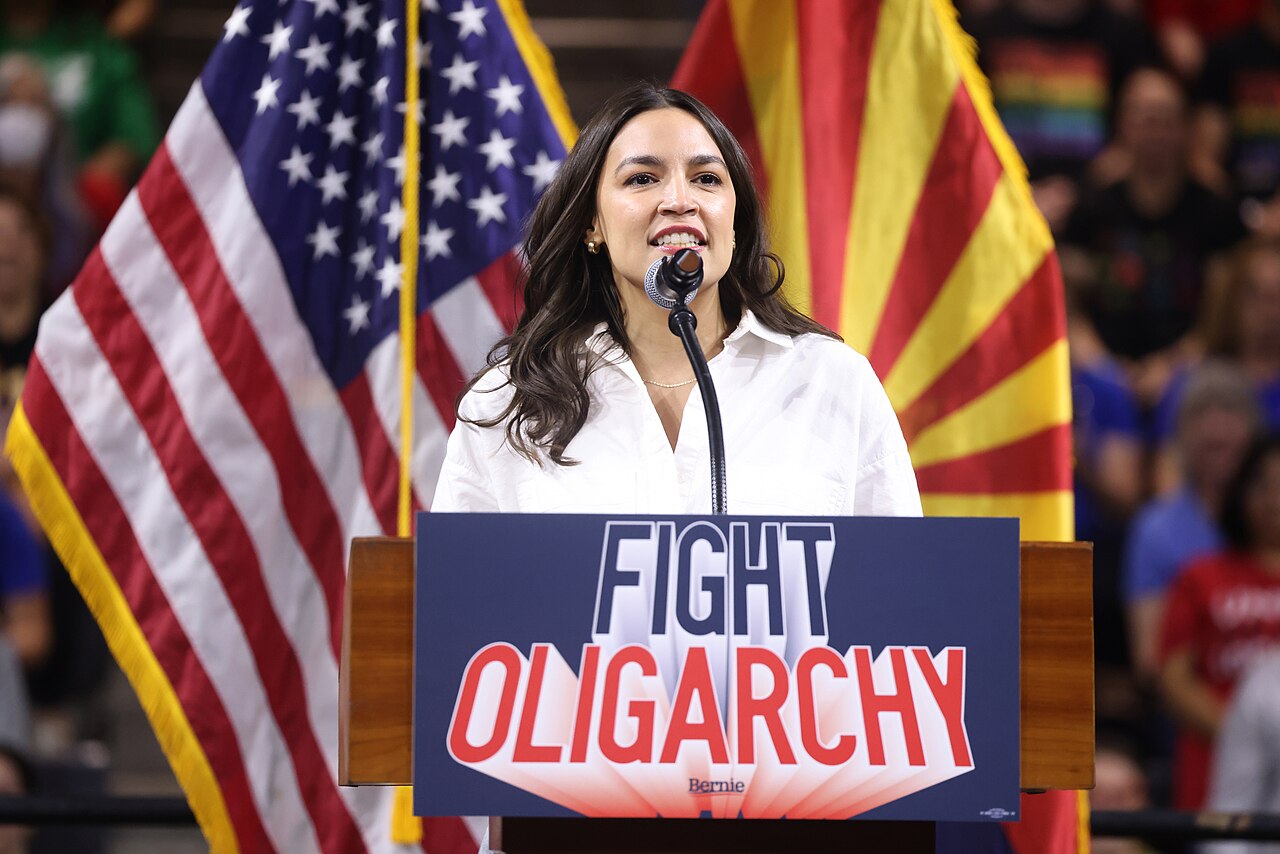
In 2024, the most prominent democratic socialist in the United States, Rep. Alexandria Ocasio-Cortez, took the stage at the Democratic National Convention (DNC) in support of Kamala Harris’s candidacy. As opposition to the Israeli genocide in Gaza reached a fever pitch within the Democratic Party, “Uncommitted” protest delegates organized on the convention floor, and protesters gathered outside the Chicago convention center, the congresswoman made the claim that Vice President Harris was “working tirelessly to secure a ceasefire.”
Many of her supporters felt betrayed by this statement, which seemed to whitewash the role the Biden administration had played in funding and supporting the Israeli genocide in Gaza. The sharpest criticisms of the congresswoman, though, came from leftists who viewed not just that comment but the entire decision to endorse Joe Biden and then Harris as a betrayal of socialist principles. To me, this latter distinct strategic position seemed entirely divorced from the catastrophic stakes of a second Trump administration that Ocasio-Cortez was trying to prevent. I understood the criticism of her comments for what they meant about the genocide in Gaza but disagreed strongly with the criticism of her overall orientation to the election.
AOC was obviously trying to navigate her role in the Democratic convention in a way that remained true to her base. From inside the convention, she Facetimed with Abbas Alawieh, the leader of the Uncommitted Movement, as he and other delegates staged a sit-in outside and clearly articulated that they were the inside and outside arms of the same movement. She endorsed their demand, rejected by the convention organizers, to have a Palestinian speaker at the DNC.
Even given the tightrope she was trying to walk, the DNC speech has to be seen as a mistake, because it failed on its own terms: a crucial base of potential voters — leftists, progressives, Arab and Muslim voters in Michigan and other swing states — were alienated by the comments, and AOC herself was undermined as a leader while the Left devolved into infighting. A speech that had been more honest about the shortcomings of the Biden administration would likely have done more to strengthen the fight to defeat Donald Trump.
My own feeling at that moment was despondency about the Left’s failures that led to the convention. We failed to provide a real challenge to Biden in the Democratic primary — a decision that, in retrospect, paved the way for both an unchallenged genocide in Gaza and Trump’s return to the presidency. The Uncommitted Movement was an ambitious effort to salvage something for the antiwar left in that context, but one that was ultimately too late to change the disastrous course of the election. AOC went to the DNC representing a weak left that was a “junior partner” to a disastrous Biden administration and unable to put forward a clear political alternative.
These strategic dilemmas are not new. They come up whenever the Left participates in popular front politics by taking part in a broad political front that includes liberal and bourgeois forces.
Al Richmond’s A Long View from the Left: Memoirs of an American Revolutionary is a crucial text that can help us develop a framework for how we should navigate the opportunities and pitfalls of the popular front. I draw lessons from his analysis to address the key questions of popular front politics today — how to operate in alliance with liberals to defeat the Right without being co-opted, how to relate to our base, how to build our power and autonomy against liberals and centrists within the front, and how to defeat the Right and the center in order to advance the cause of socialism.
Surveying the experience of Communists pursuing the popular front strategy in the United States and around the world in the 1930s, Richmond draws lessons about how to engage in a popular front. His analysis calls for the Left to participate in broad social alliances, but to do so while making tactical decisions that build independent power, engage in conflict within those alliances, and compete with liberals for leadership of the masses of people participating in the front against fascism.
Our goal should be to transcend the dilemmas that we faced at the 2024 convention. We were a junior partner in a coalition led by ineffectual liberals against a growing right-wing threat. We need a strategy, starting from where we are, to win leadership of the coalition, defeat the Right, and implement a working-class agenda that will move the class struggle to a new phase.
The Popular Front
To craft a popular front strategy for the American left today, we have to first examine the application of the strategy historically. The split between Communists and social democrats that followed the Russian Revolution in 1917 led the international leadership of the Communist movement, directed from Moscow, to propagate a particularly sectarian “Third Period” strategy (1928–1935) that opposed coordination with other working-class parties, including social democrats, in both the electoral arena and trade unions.
During this period, Communists preferred to form their own organizations tied to the party rather than operate within broader coalitions. They denounced not just conservatives and liberals but even social democratic parties and labor parties as “social fascists” and drew few political distinctions between the Right, liberals, and even progressive working-class politics beyond the Communist movement. They promoted “red” unions under Communist control that competed with existing unions even in the same workplaces, often with seriously disorganizing results. They preferred the formation of front groups under Communist control to participation in mass organizations that developed organically, essentially guaranteeing division that progressive forces would be divided in every arena of struggle.
This approach was a serious “left error.” It was sectarian, wildly optimistic about imminent working-class revolution, and badly isolated the party from the working class.
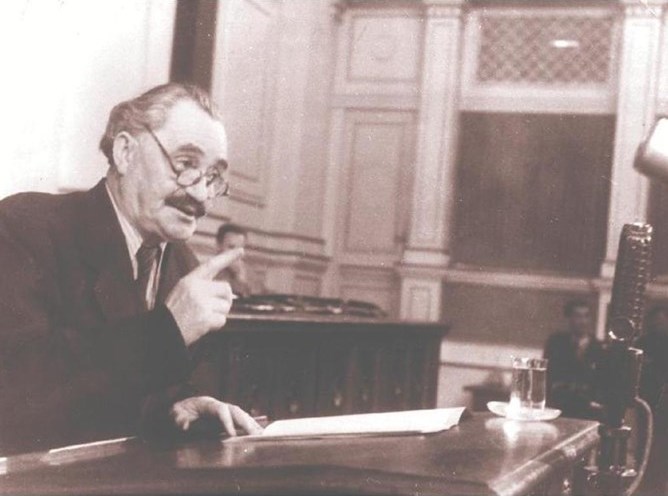
The rise of fascism in the 1930s led to a radical reversal from the Third Period policy. Formalized by Georgi Dimitrov at the Seventh World Congress in Moscow in 1935, the new policy directed Communists around the world to pivot to supporting “united front” coalitions with other working-class parties (but still eschewing liberal or bourgeois allies) and then, eventually, a broader popular front politics that entertained varied coalition partners including the middle classes and liberal parties.
In the United States, this new policy guided Communist participation in the Congress of Industrial Organizations (CIO) and the New Deal coalition under Franklin Delano Roosevelt. Working within the Democratic Party and within a new national industrial union federation dominated by more conservative leadership, Communists were able to participate in and drive forward the greatest advance for the US working class since the Civil War. They were able to win enduring industrial unions for the first time in US history through a movement animated by an anti-racist, antifascist, and democratic political character.
Critics of the popular front strategy do not usually embrace “Third Period” sectarianism. Instead they tend to posit that a strategically correct united front was followed by a disastrous “right error” in the transition to the Popular Front.
In this narrative, the united front period was one in which Socialists, Communists, and other leftists worked together in the growing CIO to build an independent working-class movement; if they had held to it, it could have resulted in a mass working-class political party. The Popular Front period is seen to have squandered that opportunity by abandoning the project of building an independent party, endorsing Roosevelt for the presidency, and enforcing a no-strike pledge during World War II (which defanged union militancy and accelerated union conservatization and bureaucratization, thus compromising the labor movement’s independence from the Democratic party and severely weakening its power for the long term).
These decisions lost the party its credibility with the working class and ceded leadership to liberals. Ultimately the story ends in inevitable betrayal by anti-communists and the postwar eradication of the Communist Party from any significant role in US politics, culture, or the labor movement.
This narrative has more than a kernel of truth to it. The Communist Party did enter the Roosevelt coalition during a period of enormous class struggle, yet, a few decades later and despite some extraordinary achievements, was weak enough to be almost destroyed by erstwhile allies in labor leadership and the Democratic Party. But critics of the Popular Front extrapolate from this historical experience a universal law — that anywhere and everywhere the Left enters into tactical alliances the only results can be opportunism, co-optation, demoralization, and defeat. The narrative embraces a too-neat path to follow instead — coalition with working-class organizations is good, coalition with bourgeois and liberal organizations is bad. In the United States, this means that any collaboration with or participation in the Democratic Party is a “right error” that can only result in the subordination of class struggle.
This critique runs up against the reality that the popular front is not just a political strategy, but a description of an objective coalition of classes operating from a place of shared interest. The threat of the Right can result in a working class in motion, and that class and the revolutionaries within it will seek out alliances to advance their aims.
Steve Fraser, in a critical study of the Popular Front in Catalyst, correctly starts from the point that the front’s coalition emerged from below and from objective conditions:
Some attribute the Popular Front strategy to the Soviet Union and the Communist International. . . . As a matter of fact, however, popular fronts were already well underway in Europe as well as in the United States and Latin America years before the Soviet ukase. . . . Even without directives from Moscow proscribing any socialist revolutionary objectives, this orientation would have prevailed. It was already afoot before 1935. Communist Party cadre were shedding the ultrasectarianism of the “Third Period” in their reentry into already existing trade unions, notwithstanding the conservative leaderships of those unions, and in their willingness to participate in coalitions with reform-minded political formations surfacing in the Midwest and elsewhere. The 1934 strike wave, the uprisings of the unemployment leagues that had begun earlier, and the well-organized campaigns for racial justice that depended on broad-based coalitions were evidence of this more ecumenical approach before it had become party diktat.
The Popular Front coalition of the ’30s was an expression of the politics of a working class in motion and a global movement against fascism.
The marginalization of the Communist Party may indeed have been a result of accumulated errors in strategy, but practicing a rigid application of “political independence” was never the alternative. If we want to draw political lessons from the 1930s and apply them today, we need to ask questions about how we behave in moments when cross-class coalition are objectively necessary. How do we avoid being co-opted? How do we win leadership of the working class away from liberals and centrists? How do we maneuver from being a “junior partner” in a coalition to its most powerful faction?
Al Richmond’s Long View
Born in 1913, Al Richmond was a lifelong Marxist who became founding editor of the People’s World, the Communist Party’s West Coast paper. He was a veteran organizer and party leader who lived through the heyday of the Communist Party of the United States of America, when it was a hegemonic force on the Left that contributed to massive working-class achievements like the Congress of Industrial Organizations (CIO) and major legislative achievements of the New Deal.
He also lived through the party’s Cold War persecution and marginalization and served prison time during the McCarthy era after being tried and convicted under the Smith Act. His 1973 memoirs, A Long View from the Left, were written at a moment when, after a half-century of Communist activism, he was in serious conflict with party orthodoxy.
Richmond’s criticism of the Soviet invasion of Czechoslovakia in 1968 caused the party to censure him, eventually leading to his resignation, along with California party leader Dorothy Healey. Richmond and Healey went on to join the New American Movement (NAM), a socialist organization established in 1971 that was composed mostly of New Left radicals after the energy of the 1960s had begun to wane, and Healey eventually became a founding member of the Democratic Socialists of America (DSA) when NAM merged with another socialist organization, the Democratic Socialist Organizing Committee.

One chapter of Richmond’s memoir remains especially relevant for socialists today. “Notes on the Revolution and the 1930s” departs from the format of a typical memoir to analyze the upheavals of the 1930s and evaluate the popular front strategy. Richmond’s analysis is aimed firmly at “younger radicals” of the emergent New Left such as (future neoconservative) David Horowitz, who dismissed the entire Popular Front period as “one big mess of blunder and opportunism that is best skipped.”
Like Fraser, Richmond makes the case that the Communist Party’s popular front strategy as it emerged in the 1930s was not just a strategy dictated from above but was shaped by a real movement of the working class that emerged from below in the face of the fascist threat. Richmond paints a powerful picture of the transformative impact of Communist participation in the Popular Front during the New Deal, especially through participation in the CIO.
[I]t generated enormous political energy and motion. It represented a politics in which the Left moved, influenced, and led millions. It stimulated new levels of organization and alignment, new levels of consciousness, activating large numbers of people previously apathetic or, at best, on the periphery of political and social conflict. It provided the framework for rich and varied practical Left experience in mass organization, tactics, relationships between different classes and social groups. And this initial People’s Front period, it must be remembered, lasted for only four years, 1935–1939, a brief moment in the historical time scale. Aside from periods of actual revolution I know of no other in which such vast political experience for such vast numbers was compressed in so short a time.
Popular Front politics meant participation in Roosevelt’s New Deal coalition and the CIO, but it was more than a labor or electoral alliance. It was a popular social and cultural movement that united workers of all races, civic organizations, and intellectuals into a common political project from below, through which many millions of people came to understand themselves as part of “the Left.”
Richmond is not an uncritical defender of the Popular Front as it was carried out in the United States. “Notes on the Revolution and the 1930s” contains a sharp criticism of how the strategy was carried out by the Communist Party leadership in the United States. But his analysis does start from the necessity of broad social alliances.
Once a Left that numbers in the thousands aspires to a politics that is relevant to millions. . . . it inevitably confronts problems of alliance with those outside its ranks, and intermediate objectives that are the basis for alliance.
Indeed, every successful revolution in history has relied on some sort of cross-class alliance, which means a Left that wants to move beyond the realm of ideology to actually change the world will need a strategic and theoretical approach to alliances. The Bolsheviks could not have overthrown the Tsar without the bourgeoisie, nor could they have won the civil war without support from the peasantry. A Left that refuses to entertain the question of forming strategic alliances is a Left that will never achieve relevance to millions of working-class people.
Today, as in the 1930s, our analysis needs to start, not end, with the popular front and the tensions that arise from it. Richmond’s study of the successes and failures of the Communist movement in the 1930s holds valuable lessons for socialists trying to develop that strategy and theory today.
Lessons from the ’30s
Richmond is critical of how the strategy was carried out in practice under the Communist Party leadership of Earl Browder, and Browder’s view that the Popular Front would inevitably advance the class struggle. Browder wrote:
We are not indifferent to the problem of ‘transition’ from a victory over fascism to victory over the whole capitalist system, ‘transition’ to socialism. But the transition does not come from empty slogans, disconnected from everyday life. This transition arises upon the basis of the growing strength, organization, discipline, fighting power, and understanding of the working class, which gathers around itself as allies all other oppressed strata of the population — a working class which has learned how to meet in battle its worst enemies, today the Fascists and the monopoly capitalists, and to defeat them on the immediate issues of the day. It is not a discouraged, defeated, and demoralized working class that will take up and realize the great program of socialism; it is the enthusiastic, victorious, and organized workers who will move forward from victories in the defensive struggle to the offensive, and finally to socialism. Every strong defense passes insensibly to the offensive. To stop the retreat means already to prepare the advance. The defeat of fascism is the first precondition for the victory of socialism.
Browder’s argument sounds similar to those made by some popular frontists today. He was surely correct that the defeat of fascism is a precondition for socialism, and that a working class can build strength, organization, and confidence through struggle against the Right. But Richmond takes issue with the claim of an “insensible” advance from defense to offense. The position that adherence to popular front policy will inevitably raise working-class consciousness is an argument that there is no risk at all that the workers will lose sight of the socialist horizon, and that in fact the struggle against fascism can only inspire further struggle for socialism.
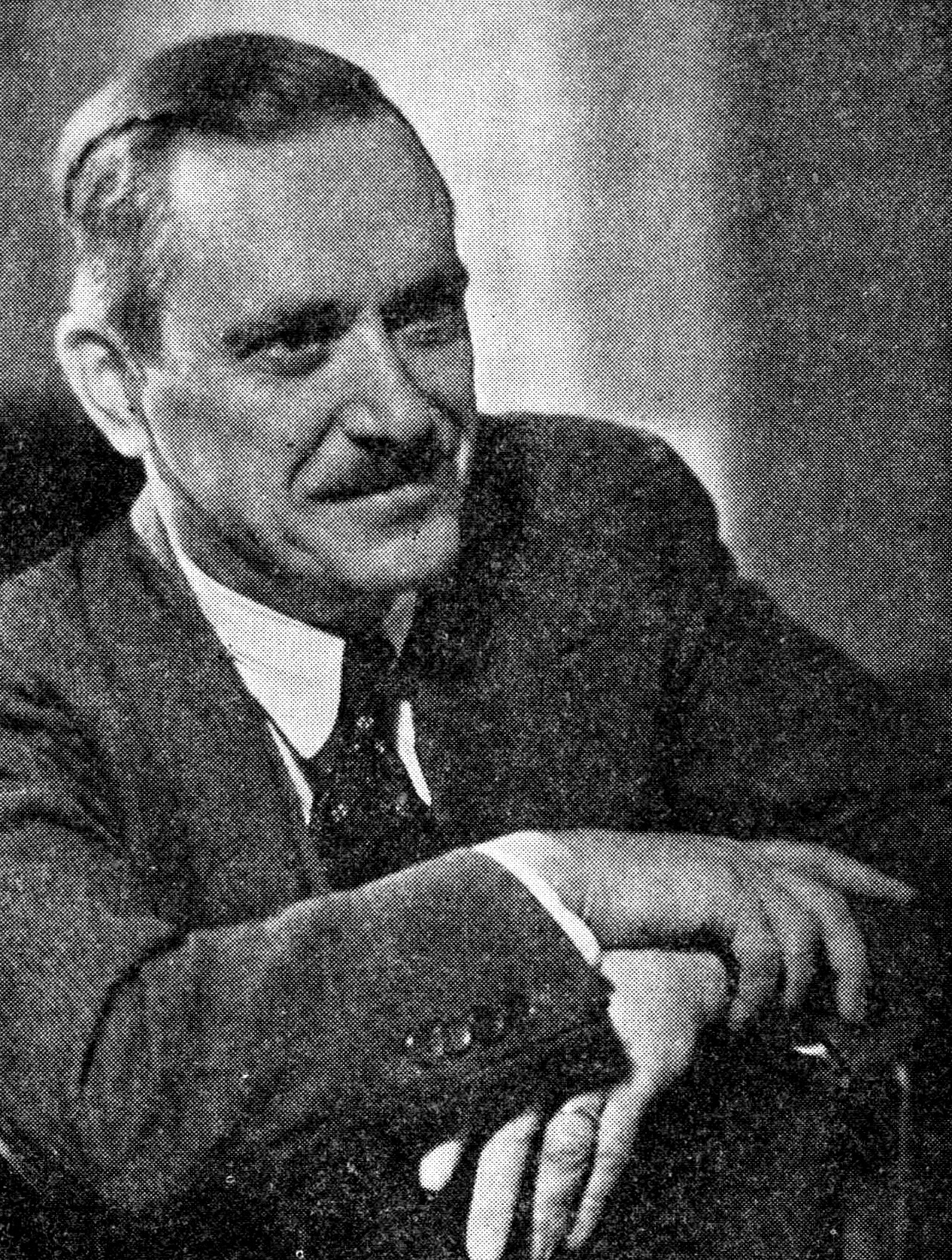
Richmond was writing in the 1970s, from a vantage where Browder’s analysis (and leadership) had been proven critically flawed. The defeat of fascism in World War II did not lead to an automatic escalation of class struggle under Communist leadership but instead to the consolidation of the working class and labor under the Democratic Party and the Cold War decimation of the Communist movement. The Communists had fully participated in mainstream liberal institutions as part of their popular front strategy, yet they were now isolated from the broader left-liberal currents. Where did the movement go wrong?
Young revolutionaries in the late 1960s and 1970s had largely lost faith in the USSR and Communist Party and were looking elsewhere for revolutionary inspiration, including to Mao Zedong, Fidel Castro, and Ho Chi Minh. Writing for that New Left audience, Richmond makes his case by contrasting choices made by Communists in the United States in the 1930s to the approach of successful revolutionary movements in China and Cuba.
His central historical point is that the same strategic framework was applied in successful revolutions in China and then Cuba, revolutions in which the Communist left emerged from the status of junior partner to be the uncontested revolutionary victor.
In the two most significant popular revolutions since the 1930s, variations of the People’s Front were very prominent. [C]oalition was not a quicksand of opportunist compromise because the revolutions succeeded. The experience suggests that the problem is not, to coalesce or not to coalesce, but the character of coalition, and how the Left retains independence and integrity and exerts influence in a coalition.
Richmond’s use of the Chinese example needs to be situated historically — not as an uncritical embrace of the Communist Party of China but as an argument tailored to the New Leftists who were drawing their inspiration primarily from anti-colonial revolutions that swept the globe. Even for those of us who reject Mao’s authoritarian leadership and cult of personality, we can still seek strategic insights from the Chinese experience, just as we might gain strategic insight from studying Niccolò Machiavelli, Sun Tzu, or Maximilien Robespierre.
In my reading of Richmond, I tried to draw out the key lessons of the Popular Front experience that could be most useful to socialist strategists today, with a focus on the errors made by the Communist leadership under Browder.
Lesson 1: A Front “Without Illusions”
Opponents of popular front politics today often raise the question of trust. How can socialists be so foolish as to vote for Democrats, or even participate in the Democratic Party, when the party is funded by capitalists and engages in all manner of treachery against the Left? The very willingness to entertain a coalition is interpreted as a naive endorsement of the character or politics of obvious class enemies.
Here, Richmond’s study of China is particularly instructive. Mao and the Chinese Communists in the 1930s had every reason to mistrust the nationalist Kuomintang. Prior to the Popular Front, Chinese Communists had already participated in a formal alliance with the nationalists from 1924 to 1927, an alliance that ended with a surprise betrayal by Kuomintang leader Chiang Kai-shek and the slaughter of thousands of Communists by their former allies. Chinese Communists in the 1930s were well aware of the stakes and risks of joining another such alliance and were not confused on the question of how the nationalists would ultimately deal with the Communist movement.
Yet less than a decade after the 1927 betrayal, in the face of Japanese invasion, the Communists “energetically and persistently” sought out an alliance with the same nationalists. Mao and his adherents certainly did not hold to this strategy because they trusted Chiang, the butcher of many of their comrades. Nor did they hold to it because they believed that, after the defeat of the Japanese, there would be a seamless and automatic transition to a defeat of their class enemies.
Instead they held to the strategy because it was necessary to achieve their immediate objective, defeat of the Japanese. And they did so while simultaneously maneuvering and planning to prevent a repeat of 1927.
For the Left today, it is important not to have a Pollyannaish view of the forces operating in the broad coalition to oppose Trumpism and authoritarian consolidation. In the electoral arena, that coalition has ranged from revolutionary socialists to the likes of Bill Kristol and Liz Cheney. The Left should work to build the alliances necessary to achieve the immediate objective of preventing right-wing authoritarian consolidation, but we shouldn’t lie to ourselves, our base, or the working class about the nature of the front and the character of the adversaries within it.
Lesson 2: Don’t Demobilize and Disorganize the Base
Richmond is highly critical of how US Communist leadership managed their alliance with the CIO. He focuses especially on key instances when party leaders intervened to protect corrupt and bureaucratic union leadership from left challenges and worked to ensure the passage of contracts against the wishes of rank-and-file workers.
These decisions were made at the highest levels of the party in consultation with CIO leadership, without consultation with militants on the shop floor. Giving CIO leadership an effective veto over how Communists operated eventually demobilized the Left, damaged the credibility of Communists with union militants and their base in major industries, and ultimately left the Communists in a subordinate position that set the stage for postwar purges of reds from their leadership positions within the labor movement.
The ability of the Left to pursue any strategy requires an organized and motivated base. Perhaps any individual compromise made by Browder’s leadership within the CIO could be defended as a necessary exercise of restraint to maintain their alliance with CIO leadership. But over time, the impact of siding with more conservative union leaders against rank-and-file challenges, pushing for compromises in contract fights, and enforcing a no-strike pledge to support the US war effort during World War II changed the party’s relationship to the working class. Compromises that weakened the party’s relationship to its militant base ultimately made it less able to resist attacks from the center.
Lesson 3: Autonomy and Conflict Within the Front Are Essential
Richmond repeatedly emphasizes the need for the Left to maintain autonomy within the front from the forces leftists are working in concert with to their right — a key insight that has shaped Democratic Socialists of America’s emergence as a powerful force on the contemporary left. DSA most often runs candidates on the Democratic ballot line, but part of the “DSA difference” is that we seek to build an organization that can carry out all the functions of a political party without reliance on capitalist funding or infrastructure controlled by formal Democratic Party institutions. Maintaining our own autonomy to recruit candidates, design policies, win campaigns, and staff offices has been central to the successful model pursued by DSA today.
But working to hold together a coalition against a common enemy while actively building the power and autonomy to maneuver against your “allies” is sure to create conflict. A central insight we can draw from Richmond is that such conflict is essential to building the Left, bidding for leadership in the front, and strengthening the front overall. Suppressing conflict too much is a road to subordination of the Left and the weakening of the front overall.
Richmond lays out a devastating narrative of how the Communist Party within the CIO sought to suppress conflict, and where it ultimately left them. At the 1940 CIO convention, the Communists supported a resolution stating,
We neither accept or desire — and we firmly reject consideration of any policies emanating from totalitarianism, dictatorships, and foreign ideologies such as nazism, communism, and fascism. They have no place in this great modern labor movement. The Congress of Industrial Organizations condemns the dictatorships and totalitarianism of nazism, communism, and fascism as inimical to the welfare of labor, and destructive of our form of government.
In 1946, having set the precedent, Communists went further in supporting a resolution that stated, “We resent and reject efforts of the Communist party or other political parties and their adherents to interfere in the affairs of the CIO. This convention serves notice that we will not tolerate such interference.” In 1947, when the CIO leadership finally turned on the Communists, the Left was decimated by their erstwhile allies.
Over the past two decades and across a variety of terrains, struggle between the Left and mainstream liberals and the Democratic establishment has been crucial to building our movement. Social movements like Occupy, #MeToo, Black Lives Matter, and the ongoing movement for Palestinian liberation have driven sharp wedges within the Democratic coalition and prompted backlash from centrist elites, but they have also fueled shifts in consciousness and unleashed new energy that is contributing to building the contemporary Left and to mass mobilizations against Trump.
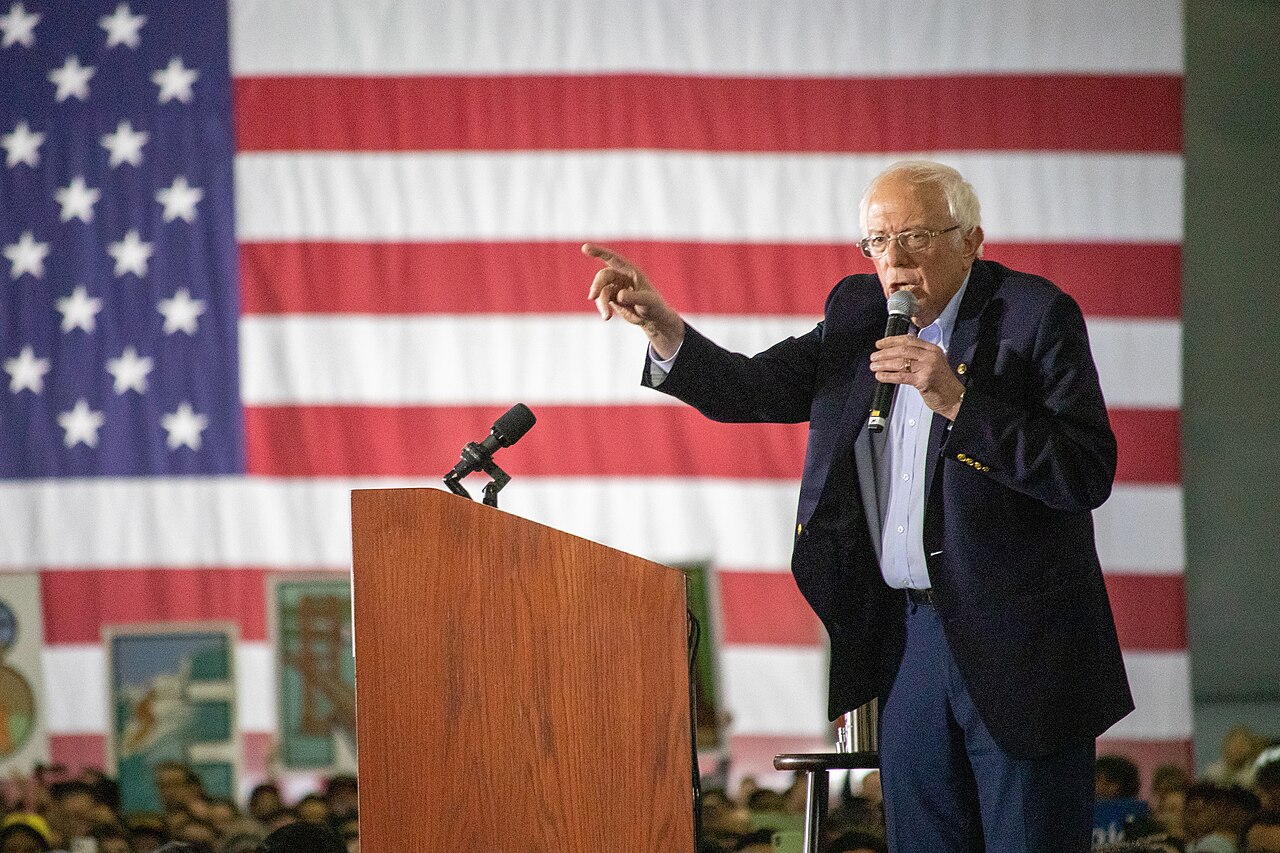
In labor, for the first time in many decades, national unions like the United Auto Workers have been shaken by internal reform struggles, struggles that cause friction within unions and the Democratic Party but also open new opportunities for working-class mobilization and organization. In the electoral arena, direct challenges to the establishment by Bernie Sanders, Alexandria Ocasio Cortez, the Uncommitted Movement, and Zohran Mamdani have given voice to the discontent of working-class people and progressive forces through conflict within the Democratic Party. The Sanders campaigns especially represented a conflict that rose to the level of a genuine challenge for leadership — an assertion that it was the Left, not the centrists in the Democratic establishment, who were best positioned to lead a movement of millions against the rising right wing.
These conflicts build the Left, and they also build the front overall. Without the last two decades of challenges to the Democratic establishment, there are likely millions of people currently engaged in the struggle against Trumpism who would otherwise have been lost to apathy, cynicism, or the allure of right-wing populism. In retrospect, whatever the tactical arguments at the time, the failure to challenge Joe Biden from the left in the 2024 primary is illustrative: it proved disastrous not just for the Left but for liberals as well.
Centrists will contend that any conflict within the Democratic Party is a gift to the Republicans and that the Left must remain entirely subordinate to Democratic Party leadership. For socialists today, it is important to reject these hollow pleas for party unity and keep heightening the conflict within the Democratic coalition in a way that raises the consciousness of the working class and builds the power and autonomy of the Left.
Lesson 4: Identify Our Intermediate Objectives on the Road to Socialism
Central to popular front strategy is identifying an intermediate objective on the road to socialism and building an alliance capable of achieving it.
In Cuba, Fidel Castro sought to build a broad front to defeat President Fulgencio Batista and win Cuban sovereignty, not (initially) to rapidly socialize the economy. In China, Mao pursued his alliance with the nationalists to defeat and expel the Japanese. The course of both revolutions shifted not because the strategy was abandoned, but because those intermediate objectives were attained and caused conditions to shift rapidly.
Of course, when it comes to contemporary democratic socialist politics in an advanced capitalist democracy, our tactics, intermediate objectives, and goals will all look different than they did for revolutionaries waging guerrilla war against colonialism. Even in the 1930s, Communist revolutionaries recognized that in advanced capitalist countries they would need to build majority support for intermediate objectives and win governing power to implement them through existing democratic institutions.
In the United States in the 1930s, the Communist Party understood their intermediate objective to be the construction of a transitional “anti-monopoly coalition” composed of the US working class united across racial differences as well as farmers and “middle classes” (professionals and small business owners) who faced their own pressures from capitalism. This cross-class coalition was to be the vehicle by which the working class could win majority support around a working-class program and win governing power. The Communists’ strategic analysis was not that the anti-monopoly coalition would develop a democratic road to socialism, but that as the limits of bourgeois democracy frustrated its ambitions, the working class would turn to the Soviet example and move toward a revolutionary insurgency.
Today, in the United States, the intermediate objective for the socialist movement, and class coalition necessary to achieve it, actually seem quite clear. Call it the Bernie agenda, multiracial social democracy, a Green New Deal, or a Third Reconstruction — whatever name it goes by, the outlines are remarkably similar. The Left today needs to construct a majority alliance of the multiracial working class, by necessity including tens of millions of white-collar workers and others with contradictory class locations.
We are seeking to organize that majority into a political movement with an anti-racist, socially progressive, and economically populist political character. We need that movement to take governing power and win a major expansion of universal economic and civil rights, a green economic transition, and a more peaceful and cooperative international order. Achieving any of those goals will require a confrontation over and renovation of the United States’ sclerotic democratic institutions.
This is no easy task, but some version of it has animated much of the mass politics on the Left over the last two decades.
The imperatives of this intermediate objective should inform our approach to alliances. Defeating Republicans soundly in the electoral arena is a necessity to take governing power, so participating in a broad front to oust them is important. Within the Democratic Party, there are progressive allies who, even if they are not socialist, support our intermediate objectives and will work with us to achieve them. There are also powerful forces in the Democratic coalition who will hinder and outright oppose the reform agenda and may even defect to the Right to prevent it from happening. The Left will need to isolate those forces, defeat their representatives in Democratic primaries, and organize outside of elections to build a mass movement that can overcome their opposition.
Lesson 5: Maintain a Socialist Horizon
The intermediate objective of the anti-monopoly coalition may have meant participating as junior partners in the New Deal coalition and CIO, but it was meant by the Communists to be a step on the road to a Bolshevik revolution in the United States. Richmond recounts that early in the Popular Front, the 1936 Communist Party convention reaffirmed this perspective in a resolution calling “for a socialist revolution and Soviet power — the only road to socialism” and by using the slogan “for a Soviet America.”
But as the Popular Front strategy progressed, the party shifted away from revolutionary sloganeering:
After 1936 the “for a Soviet America” slogan was dropped. It vanished without a trace of thoughtful theoretical explanation. Nor was there a theoretical elaboration of an alternative at the time. What existed was a vacuum, or the lively ghost of the old slogan. The resultant ambiguity impaired the communication of a Socialist vision. And for those who had it the relevancy of it was obscured, for the ambiguity obstructed a systematic, consistent exposition of the relationship between the earnest pursuit of immediate objectives and an ultimate destination. The transition [to socialism] became nebulous. Undoubtedly this state of affairs intensified the powerful and ever-present pressures for total immersion in the issues of the moment with the Socialist vision relegated to the back of the mind or the tail of an omnibus resolution.
A theoretical gap existed, and coupled with the tactical accommodations exemplified in the CIO Left-Center bloc, it contributed to an inability to create a larger, more durable and viable Socialist constituency.
Richmond is arguing that the lack of an ambitious political horizon beyond capitalism (at least once Bolshevik revolution was deemphasized) contributed to the co-optation and eventual defeat of the Left. But he does not argue that the Communists should have clung to the “for a Soviet America” slogan. He acknowledges that, even as the Russian Revolution was an inspiration for workers around the world in the 1930s, “the insistence that the only existing model of Socialism [was] also the only possible model was theoretically wrong and tactically alienating.” Because the party did not have a revolutionary strategy suited to the actual conditions in the United States, their choice to deemphasize that part of their politics was inevitable.
And if “for a Soviet America” was an alienating slogan two decades after the Russian Revolution, even before the brutal realities of Joseph Stalin’s rule were widely known, democratic socialists today definitely do not need to entertain Stalinist sloganeering more than three decades after the collapse of the USSR. But drawing from Richmond’s analysis, democratic socialists today do need to develop our own answer to the question of how our intermediate objectives relate to the horizons of our politics — the end of capitalism and a world without poverty, exploitation, militarism, and oppression.
The US left today remains shy about articulating our vision and strategy for a socialist transition. We have work to do on this front. We should take lessons from the successes and failures of Eurocommunists, who attempted to chart a new course from a Leninist strategy to a democratic socialist one by seeking to transform the bourgeois state through democratic means. We should look to the few instances where the Left has been strong enough to actually attempt a democratic transition to socialism — like Sweden and Chile in the 1970s — to develop our own strategy based on our own conditions.
Articulating our socialist horizon and strategy to achieve it doesn’t free us from the responsibility to defeat the Right today and the need to win our intermediate objectives tomorrow. But it will be essential for preparing the working class for the struggles ahead.
Lesson 6: Preserve the Front. . . . Until We Don’t Need It
The imperatives of working within a popular front while engaging in conflict within it raise constant dilemmas and require tactical flexibility.
In the electoral arena in the United States today, the contours of where to engage in struggle and where to exercise restraint are in large part prescribed by the structure of the two-party system. The Democratic Party functions as the electoral coalition for the broad set of forces opposed to the authoritarian right, so Democratic primaries are a ripe venue for struggle within the coalition. Socialists can build autonomous power through dues-funded organizations like DSA and labor formations and use Democratic primary elections to agitate for socialist politics, appeal directly to the working-class base of the Democrats, divide the base from the Democratic leadership, and engage in a relentless pursuit of political power and political leadership of the working class.
The way we have practiced restraint to preserve the front, and should continue to, is by not taking actions that would hand victory to the Right — for example, by uniting with the Green Party or Party for Socialism and Liberation to run third-party candidates in swing districts across the country, or to endorse their third-party presidential candidates. Rather than a generative struggle that would build the Left and the front, such a pivot would weaken the Left in relation to the center and weaken the center in relation to the Right.
The question of when and how this front might break down is a subject of fascination for the contemporary socialist movement. Some argue that we should launch a third party, and when conditions are ripe, working-class voters will flock to it. Some argue that a “dirty break” will lead to a split in the Democratic Party that will cause the left of the Democratic coalition to defect as a bloc and form a new working-class party. Some argue that growing the strength of the socialist left through Democratic primaries can be successful enough to drive capitalists out of the coalition and leave the Democrats as a mass party of the working class.
These debates are taking on new relevance as left-wing primary victories in 2026 have sparked a chorus of centrist demands for the Left to leave the Democratic Party altogether.
The lesson Richmond takes for the revolutions of the ’30s is that the front will break when its objectives are met and the fundamental political realities that shape it are changed. In the United States today, the threat of the Right is what holds both wings of the front together even as they maneuver against each other. That will only change when the balance of power shifts in a way that causes one side or the other to view it as either advantageous or existential to abandon the front.
In my view, the two things that can increase tensions between centrist forces and the Left enough to make the current alliance untenable are beating back the threat of right-wing authoritarianism and building toward a working-class majority coalition organized around an agenda of radical reforms. Those developments would make the existing electoral alliance untenable for powerful centrist interests and open up opportunities for a realignment or reconfiguration of the party system.
How exactly that conflict would play out is contingent, but it can only advance through continuing conflict within the coalition and building the power of the Left, not through idealist pronouncements about political independence.
The Popular Front Strategy in 2028
The strategic lessons Richmond draws out in “Notes on the Revolution and the 1930s” do not give us pat answers for how to resolve every thorny political question that will arise as we build a movement that is relevant to millions. And rote repetition of strategies that were employed in a radically different political and economic context will never lead the Left to victory.
But the analysis derived from these experiences — namely, how to think about our intermediate objectives, the coalition we want to build to achieve them, and how we navigate within that coalition without losing sight of our strategic goal of a society beyond capitalism — remain vital and relevant in our present moment.
The authoritarian push by the Republican Party is being met by broad-based resistance, a popular front that has formed not by deliberate strategic decisions of the organized left but as an organic mass movement.
Nowhere has it developed further than in Minneapolis, where the Immigration and Customs Enforcement occupation provoked a movement that mobilized every layer of society, culminating in something near a citywide general strike and a level of sustained day-to-day resistance that made the federal assault politically and logistically untenable. The Left needs to throw itself into building and spreading this type of movement, which can defeat the authoritarian threat and, as Richmond puts it, is an environment in which the Left can move, influence, and lead millions.
Of course, the broad movement against Trumpism has a diverse political character, and currently it is the mainstream of the Democratic Party, not the Left, that leads it politically and ideologically. If the Left wants to be in a position to defeat the right while supplanting the leadership of centrists, there is no more important arena in the near term than the 2028 Democratic presidential primary. That is the next chance the Left will have to reach tens of millions of working-class people and make the case for our own vision, our own leadership, and our own policy objectives all while popularizing our socialist horizon.
A left-populist presidential primary challenge by Alexandria Ocasio-Cortez is an unparalleled opportunity to build on the experience of DSA’s decade of growth, organizing people who are politicized by the presidential election into a durable, democratic socialist left that can build autonomous power and fight for both transformative reforms and a socialist horizon. Failing to mount a challenge in the 2028 presidential election amounts to accepting the status of a junior partner in a coalition for the foreseeable future.
The popular front that is in formation today in the United States is the result of objective conditions that we cannot wish away. The key strategic questions we will face in the coming years are not whether to participate in broad alliances but how to do so in a way that positions us to win leadership of the working class and build the power to transform our society and economy.