José Martí Saw American Empire Coming
Long before Fidel Castro, José Martí warned that Cuban independence would mean little if US domination replaced Spanish rule.
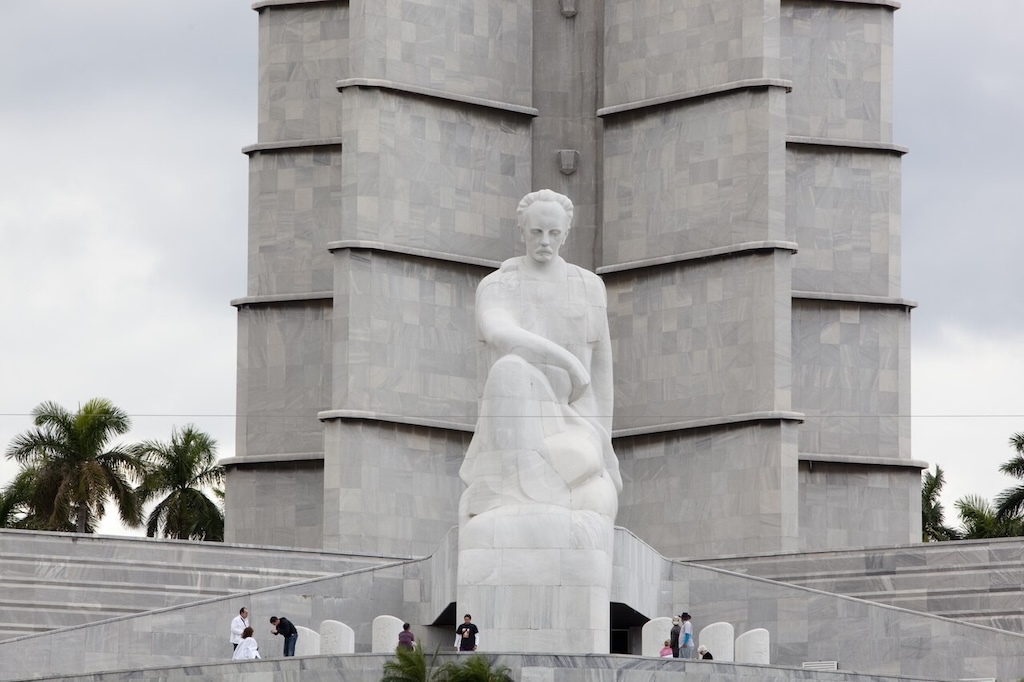
Cuba’s national hero spent years studying the empire next door — and dreaded what it would do to Latin America. (The Carol M. Highsmith Archive, Library of Congress, Prints and Photographs Division)
As Cuba’s best-known historical figure until the rise of Fidel Castro, and certainly the most widely respected, Martí’s status as Cuba’s héroe nacional was already well established before 1959.
He wrote prolifically in several fields, his complete works filling twenty-six volumes. One of the Spanish-speaking world’s leading modernista poets, he was also an eloquent journalist and chronicler, a prodigious letter writer, and even a diplomat for three Latin American countries.
For Cubans, however, he was simply the person who, from the age of eighteen, conspired to bring about Cuba’s independence from Spain, spending much of his life abroad campaigning for that goal and planning what would become a third and final rebellion against Spain in 1895. This became known as the War of Independence, to distinguish it from the previous rebellions of 1868–78 and 1879–80.