When the Pencil Was the Sword
When revolutionary Cuba asked its youth to eliminate illiteracy, 100,000 answered the call, reshaping their country and themselves in the process.
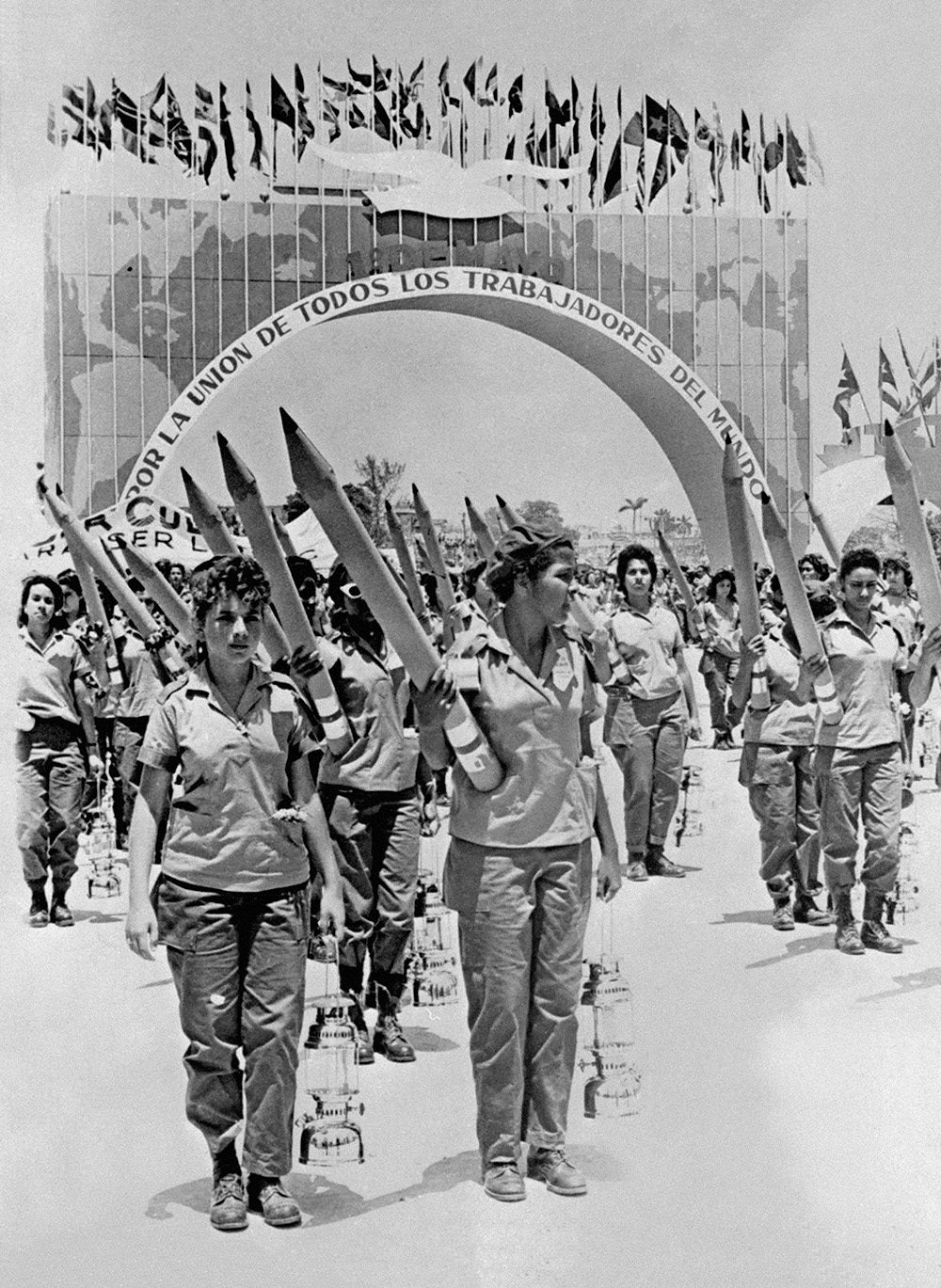
(STF / AFP / Getty Images)
In 2020, Democratic presidential nominee Senator Bernie Sanders was grilled by the media about his “repeated” history of praising Cuba’s education system. When the subject of Cuba came up at a Charleston, South Carolina, primary debate, Sanders was booed by some in the crowd. “Really? Really?” Sanders asked the audience. “Literacy programs are bad?”
Today socialism in Cuba hangs by a thread. In the last two years alone, the island nation has experienced a sharp drop in tourism, repeated blackouts and energy shortages, rampant inflation, and a devastating contraction in GDP. To make matters even worse, US secretary of state Marco Rubio, a Cuban American, has made no secret of his plans to follow up Washington’s successful operation to unseat Venezuelan president Nicolás Maduro with regime change in Cuba.
But for all the trials of the Cuban Revolution, its victories should not be forgotten. Despite seemingly perpetual economic crises, Cuba’s population remains one of the most highly educated in the world. And that’s entirely due to Cuba’s 1961 literacy campaign, one of the most undercelebrated accomplishments of the twentieth century.