Calls for Central Bank Independence Are Myopic
Donald Trump’s attacks on the Federal Reserve have been met with ardent defenses of central bank independence. Yet the Fed has always been vulnerable to political pressure, something that the insistence on returning to a pre-Trump status quo elides.
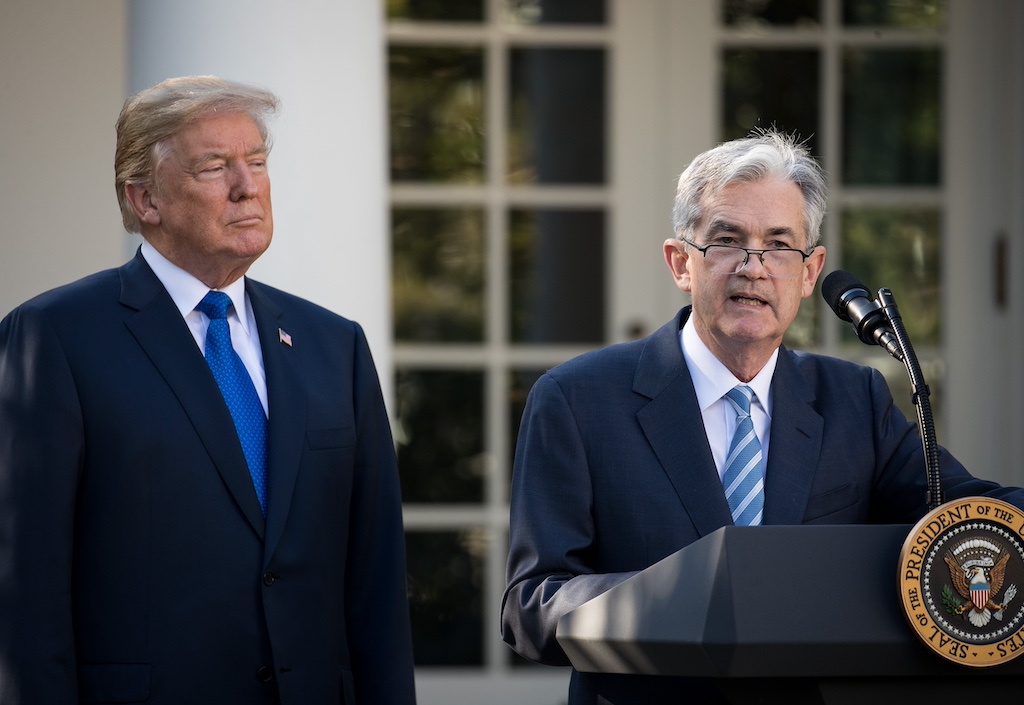
The Federal Reserve, for much of its history, has not been independent from political influence. (Drew Angerer / Getty Images)
In response to the Trump administration’s public pressure campaign on the Federal Reserve, including the firing of Federal Reserve Board of Governors member Lisa Cook, many journalists, economists, and government officials have articulated strong defenses of central bank independence. Most emphasize how political pressure on the Federal Reserve to cut interest rates, possibly in an attempt to finance government deficits cheaply, can have severe long-term economic consequences such as high inflation and weak growth.
These articles ignore a key fact, however: the Fed, for much of its history, has not been independent from political influence. Instead, the Fed has often done the bidding of the Treasury Department by finding creative ways to finance government debt cheaply, with severe consequences for the US financial system and ordinary Americans.
That most ignore this history is not surprising. The political establishment’s response to Donald Trump’s authoritarian moves has been a rallying cry of proceduralism and a return to the pre-Trump status quo. Yet such responses do nothing to address what first brought the United States to embrace authoritarian populism. As Adam Tooze has also argued, the opposition must go beyond reciting abstract economic policy principles like central bank independence and articulate a convincing solution to people’s material problems.