The Left Needs to Rethink How It Handles Inequality
Redistributing income alone is unlikely to solve America’s vast inequalities. Workers need and want more power in their workplace and for the state to weaken the influence that corporations have over their lives.
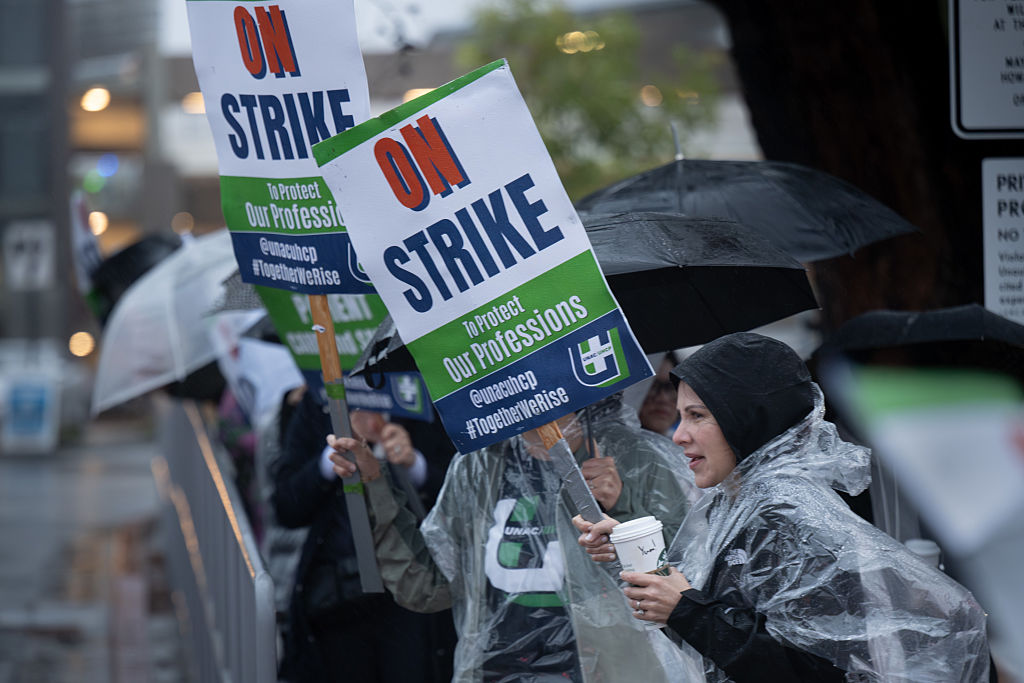
Changing the predistribution of incomes requires policies that, for instance, strengthen unions, set minimum wages, reduce monopoly power, or publicly provide goods and services. (David Crane / MediaNews Group / Los Angeles Daily News via Getty Images)
Incomes in the United States are more unequal than in any other rich country. One common explanation for why is that America doesn’t do much redistribution: tax rates on the highest earners are at historical lows, and the US welfare system is means-tested and full of holes. But another explanation — perhaps a less common one — is that the real problem is the incomes people make before redistribution.
This distinction is not merely academic — it is politically important. Answering one way or the other alters the target of a politics aiming to tackle inequality. If we want to reduce inequality with redistribution, we have to tax and provide social benefits at different rates and in different ways. But if we want to change the predistribution of income, we have to alter something about the way prices and wages are set in the first place. Changing the predistribution of incomes requires policies that, for instance, strengthen unions, set minimum wages, reduce monopoly power, or publicly provide goods and services. These are reforms that directly affect prices and wages — not least because they alter the balance of power between workers and bosses, or between labor and capital.
The distinction between redistribution and predistribution also matters in political debate. The American right has found success fomenting and exploiting anti-redistributive sentiment. But its current electoral appeal seems to come at least in part from some implicitly predistributionary policies. Donald Trump’s tariffs, for example, are popular because supporters see them as intended to provide better jobs for low-income American workers. Similarly, his attacks on elite universities play well because people view these institutions as perpetuating an unfair predistribution of incomes. (And one academic study, which I’ll discuss below, confirms that this isn’t a new phenomenon.)