Proving the German Media Bias Against Palestinians
- Oscar Davies
German reporting on the Middle East has long been criticized as one-sided. Our exclusive analysis of 5,000 headlines from leading German media outlets since October 7 shows the bias is even worse than suspected.
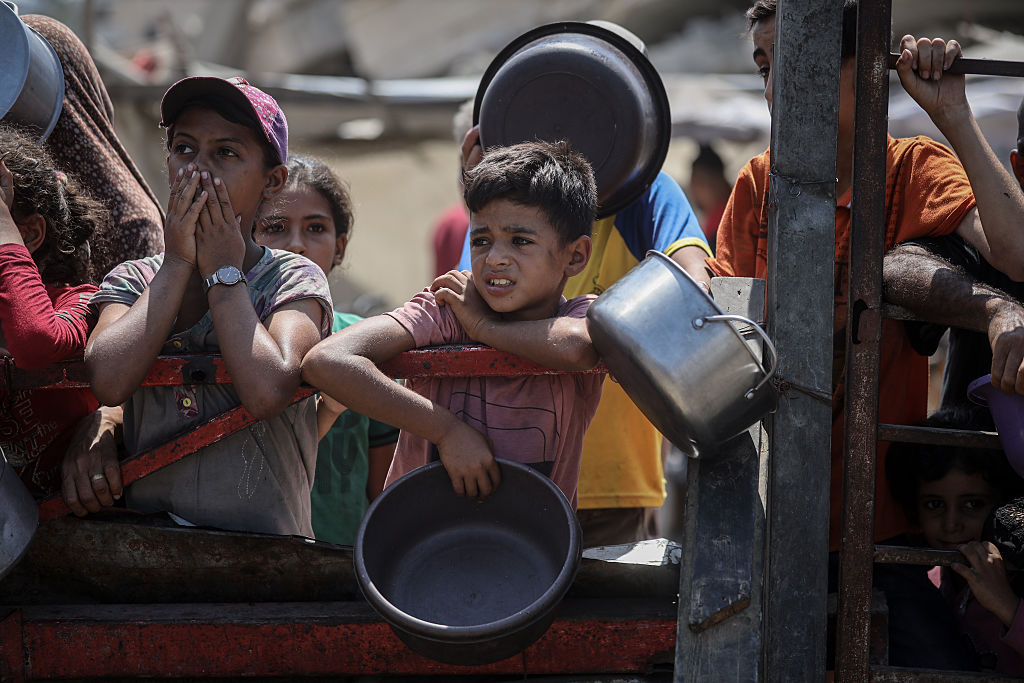
A new study found that of the 4,853 headlines analyzed in leading German media outlets, 43.3 percent could be traced back to Israeli sources but only 5 percent could be traced back to Palestinians. (Khames Alrefi / Anadolu via Getty Images)
Leading German media outlets rely primarily on official Israeli statements in their reporting on the Middle East. All Palestinian and Lebanese sources, as well as all international organizations and NGOs active in the Middle East taken together, are referenced as the source for German news headlines only half as often as Israel’s government and army.
That is the finding of a study analyzing 4,853 news articles published in leading German media outlets between October 7, 2023, and January 19, 2025 — the day the ceasefire was broken again. Which sources do German newsrooms use when reporting on the war? Whose statements have the greatest chance of making the headlines? How one-sided is German reporting on the Middle East? These are the questions addressed in the study, which analyzed some of Germany’s biggest news outlets: Tagesschau, the nation’s leading TV news program; Bild, its leading daily newspaper; Die Zeit, its leading weekly; and Der Spiegel, its leading news magazine.
Headlines in news coverage of the Middle East were categorized according to their source. For example, the headline “Hamas Tunnel Found Under UNRWA Buildings” was based on statements from the Israeli army. “At Least 50 Dead in Israeli Attack on Refugee Camp” used the Palestinian Ministry of Health as its source, while the report “UN: Health System in Gaza ‘On the Verge of Collapse'” was based on information from the United Nations, as the title suggests. The total number of relevant headlines was 4,853.