Public Housing Is the Only Cure for Europe’s Housing Crisis
Throughout Europe, states have spent decades running down the structures of public investment and planning that once made housing accessible for working-class people. A recharged model of public housing is essential to address the resulting crisis.
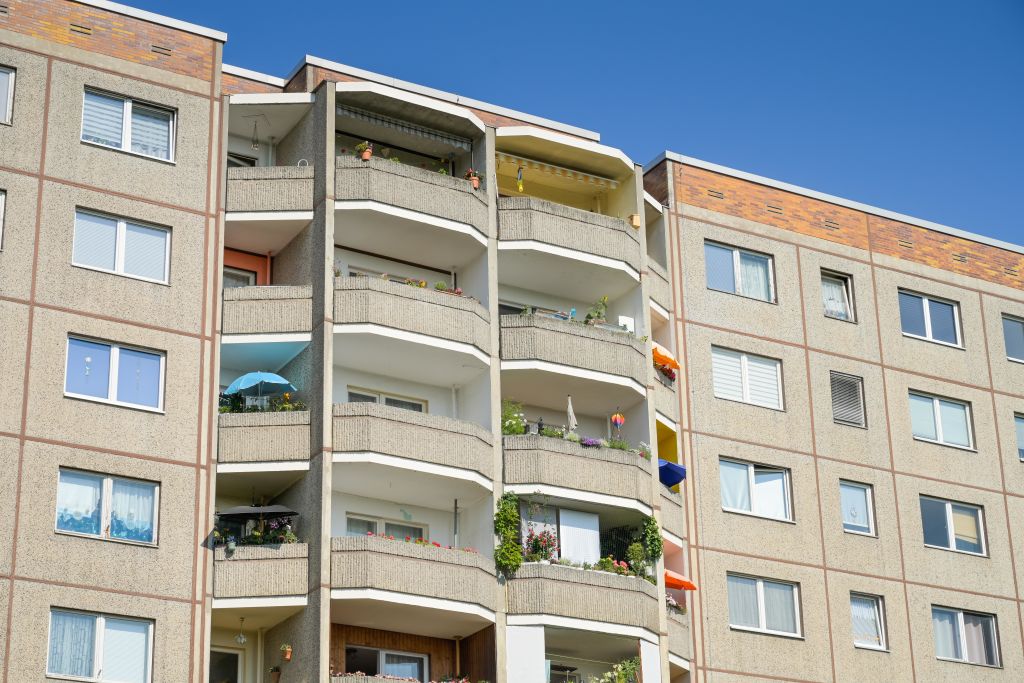
A residential building in Prenzlauer Berg, Berlin, Germany, on December 12, 2024. (Bildagentur-online / Schoening / Universal Images Group via Getty Images)
While accounts of privatization in Europe have often focused on the sale of key state enterprises and public housing, the privatization of housing development has received less attention. Since the 1970s, European countries have increasingly abandoned mixed-economy models of housing development.
When those models were in place, publicly financed and publicly led development was critical for the delivery of new homes. It helped determine who housing was for, how secure and affordable it was, and how space was planned.
Since the 1970s, the task of housing development has been effectively privatized across much of the continent. It was once common to see construction of social and public housing at scale, state-owned housing developers and construction companies, and new urban developments based on public planning. Over the last few decades, European states have come to rely on these tools much less, or in many cases abandoned them altogether.