Stop the Music!
A brief catalog of genre-changing moments in music history.
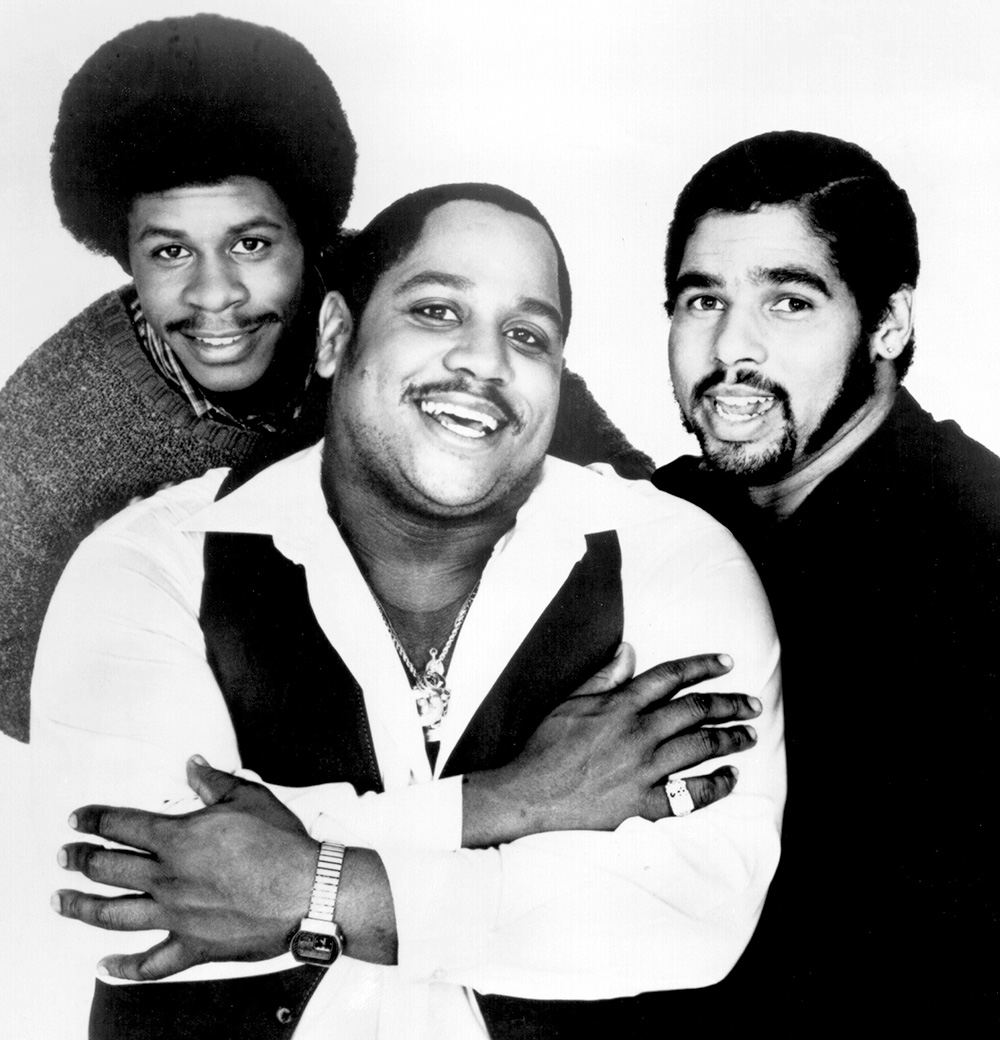
(Anthony Barboza / Getty Images)
Charlie Parker
While jamming with guitarist William “Biddy” Fleet before a concert at Clark Monroe’s Uptown House, saxophonist Charlie Parker made a breakthrough. He noticed that the 12 semitones of the chromatic scale could lead to any key, a realization that allowed him to improvise more complex solos and escape what he called “the stereotyped changes that were being used all the time.” Parker’s epiphany enabled the development of bebop, which dispensed with many of the conventions of swing in favor of a less danceable but more experimental sound. Miles Davis, who got his start as a trumpeter in Parker’s bebop quintet, once remarked that you can write the history of jazz in four words: “Louis Armstrong, Charlie Parker.”
Bob Dylan
07/25/1965
Accompanied by Barry Goldberg and three members of the Paul Butterfield Blues Band at his third Newport Folk Festival, Bob Dylan performed on electric guitar. Some in the audience booed, and Pete Seeger, according to legend, called for an axe to cut the cables plugged into Dylan’s guitar. The night would be transformed into a heavy-handed allegory for the decade, one encapsulated in the image of the 24-year-old Dylan, wearing his “sellout” leather jacket, ushering in a new musical era while surrounded by the disapproving old guard of traditional folk music. He continued his shift toward rock on subsequent albums, while the folk revival fizzled out in his wake.
The Beatles
Paul McCartney says he wanted to outdo the Who and compose the loudest, rawest, most chaotic rock song ever recorded. The result was “Helter Skelter,” a track on the White Album that abandoned the Beatles’ usual polish for distorted guitars, relentless drumming, and McCartney’s screaming vocals. Future rock icons, from U2 to Mötley Crüe, covered the song, while musicians cited it as a proto-metal landmark.