Soldiers of Fortune
In the 1970s, American mercenaries traveled to Angola and Rhodesia, seized by racist, anti-communist dreams and delusions of grandeur.
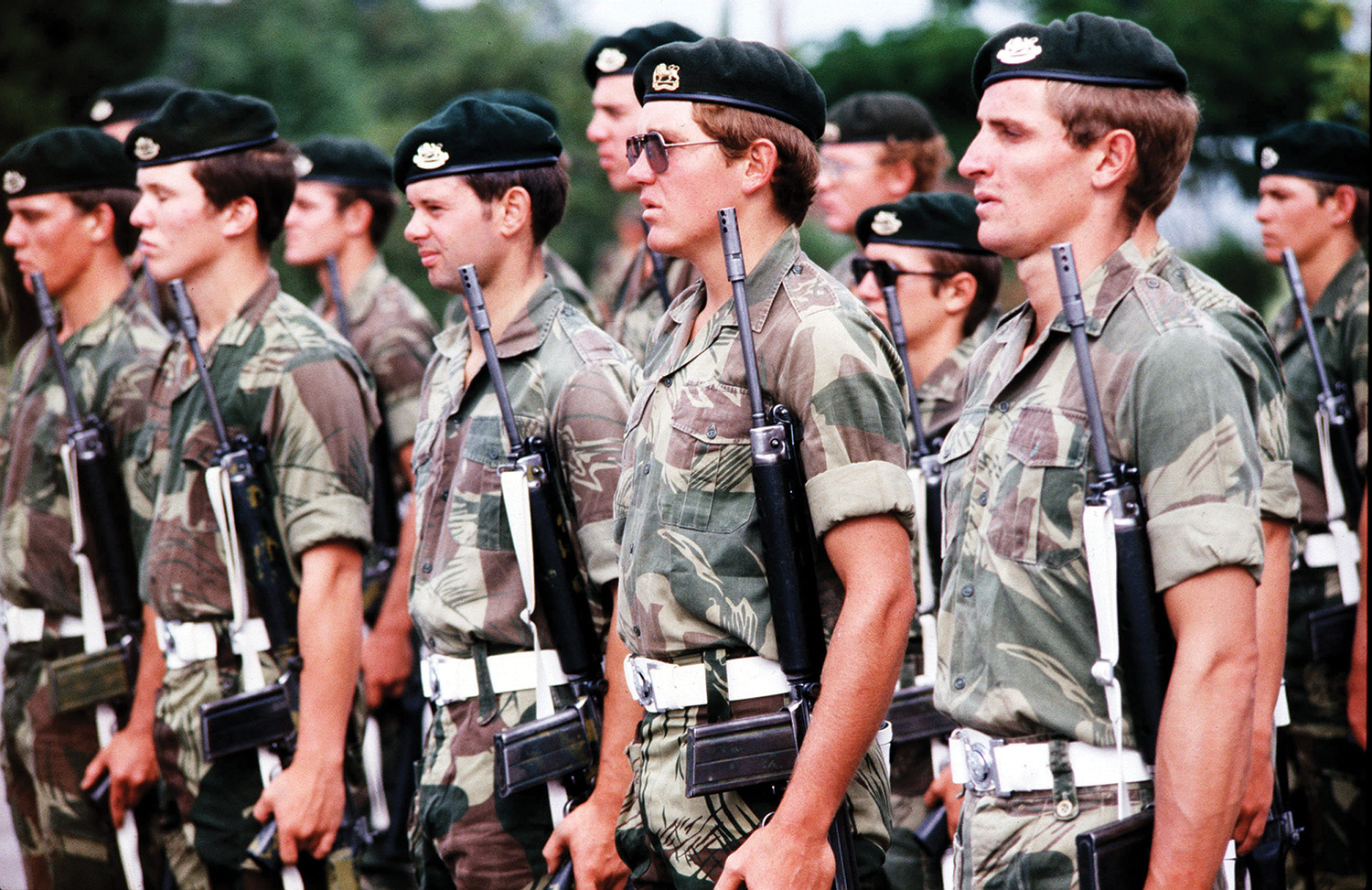
(PA Images / Getty)
In the late 1970s, about four hundred white American men, mostly Vietnam veterans, traveled to Rhodesia and Angola to fight. Convinced that the US government was too weak to counter the spread of communism in southern Africa, they took matters into their own hands. By picking up arms, these men hoped to continue their wartime crusade against America’s enemies while reclaiming the economic and social power they believed they had lost to black Americans, women, and other groups at home.
The rise of the Right is usually told as a domestic tale. But the story of US mercenaries in Africa shows that right-wing Americans were also part of a larger international anti-communist mobilization. Drawing on arguments made by US conservative leaders, they enacted a shadow foreign policy that linked overseas conflicts to domestic struggles, leaving legacies that resonate today.
These were men who looked out on the world and saw the Soviet Union and its allies on the march. In the former Portuguese colony of Angola, which gained independence in 1975, the socialist Movimento Popular de Libertação de Angola (MPLA) had seized power from rival nationalist guerrillas, igniting civil war. In Rhodesia, a white-supremacist state that broke from the British Empire in 1965, two guerrilla armies, supported respectively by the Soviet Union and China, were pushing the government to the brink of collapse.