Iulii Martov Was the Russian Revolution’s Lost Prophet
The Russian socialist leader Iulii Martov warned that a revolution that sacrificed democracy would end up destroying its own ideals. Martov lost the political battle after 1917, but the development of the Soviet system vindicated his early criticisms.
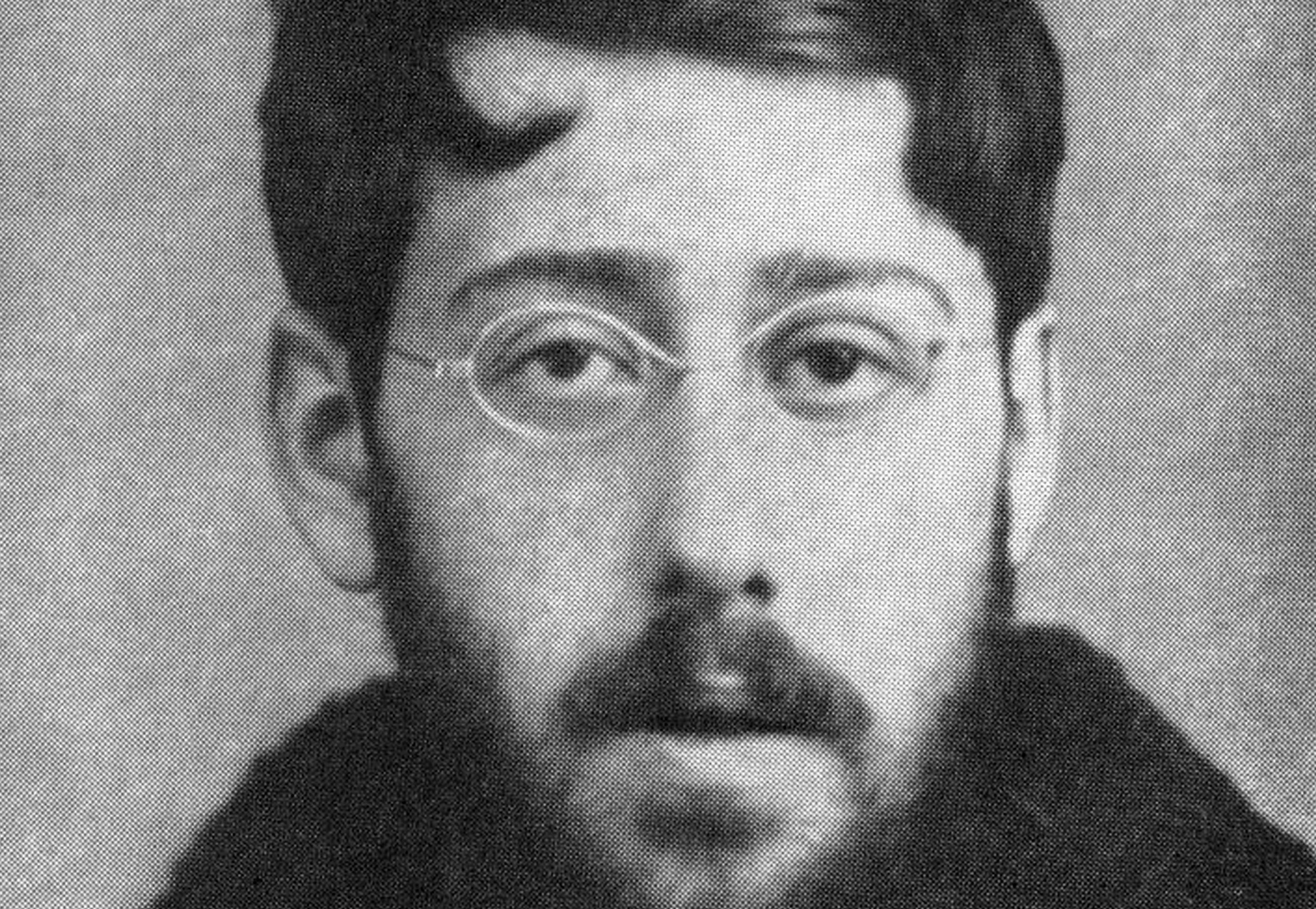
Iulii Martov defended the new Soviet state against counterrevolution and imperialist intervention after 1917. (Pictures From History / Universal Images Group via Getty Images)
Before the revolution of 1917, Iulii Martov was arguably a more prominent figure in Russia’s socialist movement than Vladimir Lenin or Leon Trotsky. While Lenin and Trotsky saw October 1917 as a workers’ revolution, Martov understood it as an uprising of soldiers, mostly peasants-in-uniform, without the mass participation of workers, and so stood aside from participation in the new Soviet state. In the years since then, he has for the most part either been ignored or treated with disdain.
Martov left Russia for the last time in October 1920 on an assignment to discourage Germany’s Independent Social Democrats from joining the newly formed Communist International. His cothinkers who stayed behind would almost universally face repression, imprisonment, and death. In 1923, Martov died in Germany at the age of forty-nine, his life cut short by the tuberculosis he contracted in the previous century when sent into internal exile under the tsar.
Martov’s life and work deserve to be much better known today than it is. Some will be familiar with a memorable line that Trotsky uttered in the immediate wake of what the Bolsheviks called the October Revolution: “Go where you belong from now on — into the dustbin of history!” Fewer will recall the fact that he addressed these words to Martov and his allies, the Menshevik Internationalists (an antiwar minority current within the Menshevik Party), as they walked out of the All-Russia Congress of Soviets in protest at the Bolshevik seizure of power.