Korea Is Showing the World How to Make Political Horror Movies
From The Host to Kingdom, Korean filmmakers have used the horror genre as a vehicle for political critique and reached a huge global audience. They’re building on a long international tradition of socially conscious scare stories.
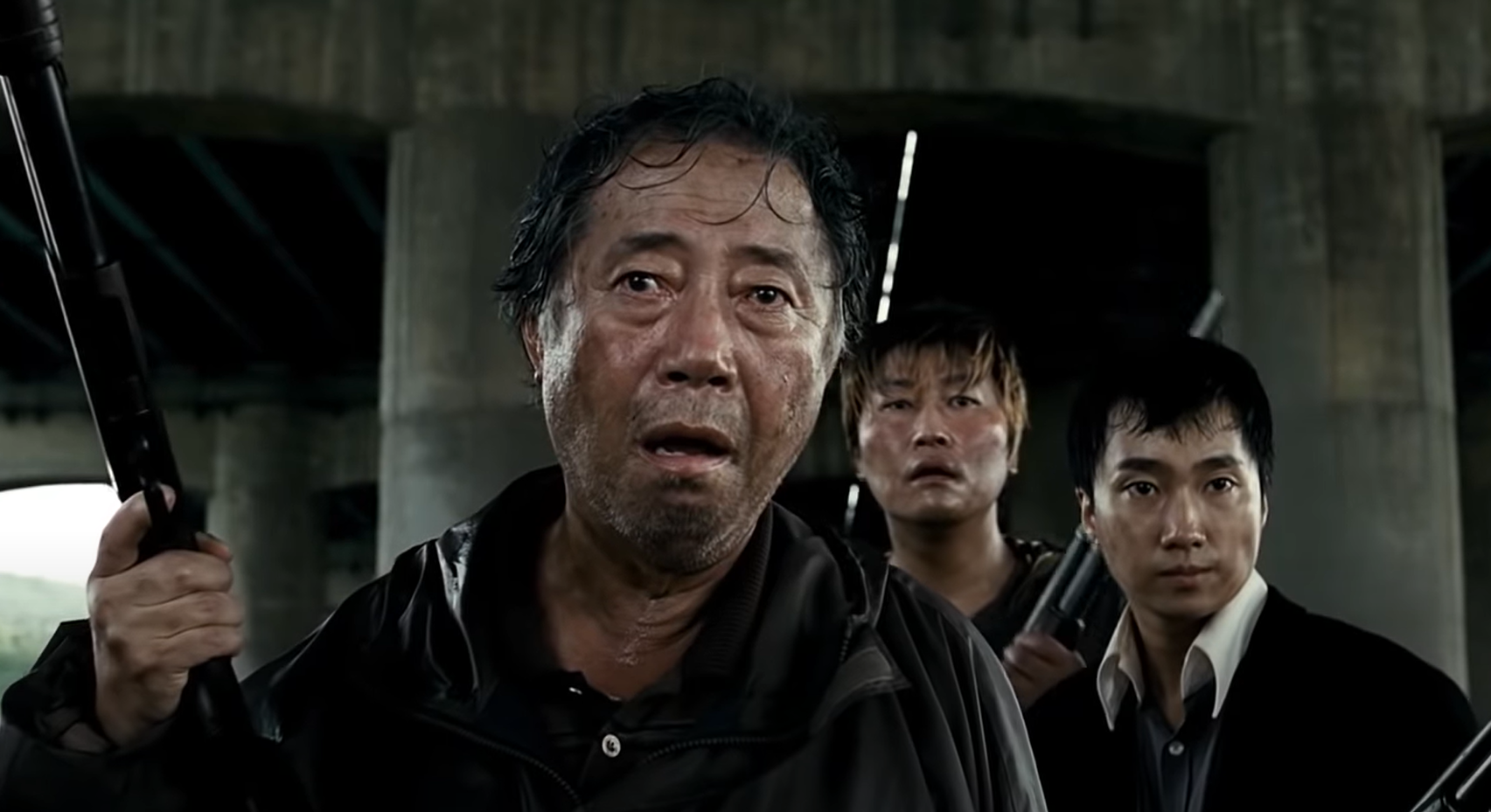
A still from the 2006 film The Host. (Shudder / Showbox via YouTube)
In the past two decades, South Korean television and cinema have achieved global commercial and critical success. While they may be glossy and stylized, K-wave films and television series have also revealed Korea’s dark side in their social criticism.
The South Korean film industry produces scores of horror flicks, and creative directors have used the genre to explore social issues. Bong Joon Ho’s Oscar-winning 2019 movie Parasite blended suspenseful horror with a social criticism. With its portrayal of South Korean class polarization, the film asks the audience who really is the parasite.
Previously, in his 2006 film The Host, the director used a monster movie to recall memories of anti-fascist activism from the 1980s — memories that were suppressed at the turn of the century by an alienating neoliberal social consensus. As the inspiration for The Host came from an incident where American army officers ordered a Korean mortician to dump formaldehyde in the Han River, there are knowing references to anti-American sentiments.