Yes, the Iraq War Was (Kinda) a War for Oil
In the immediate aftermath of the Iraq invasion, the US and British governments tried to launch a radical experiment in oil privatization. Iraqi trade unions spearheaded a brave campaign to thwart their plans.
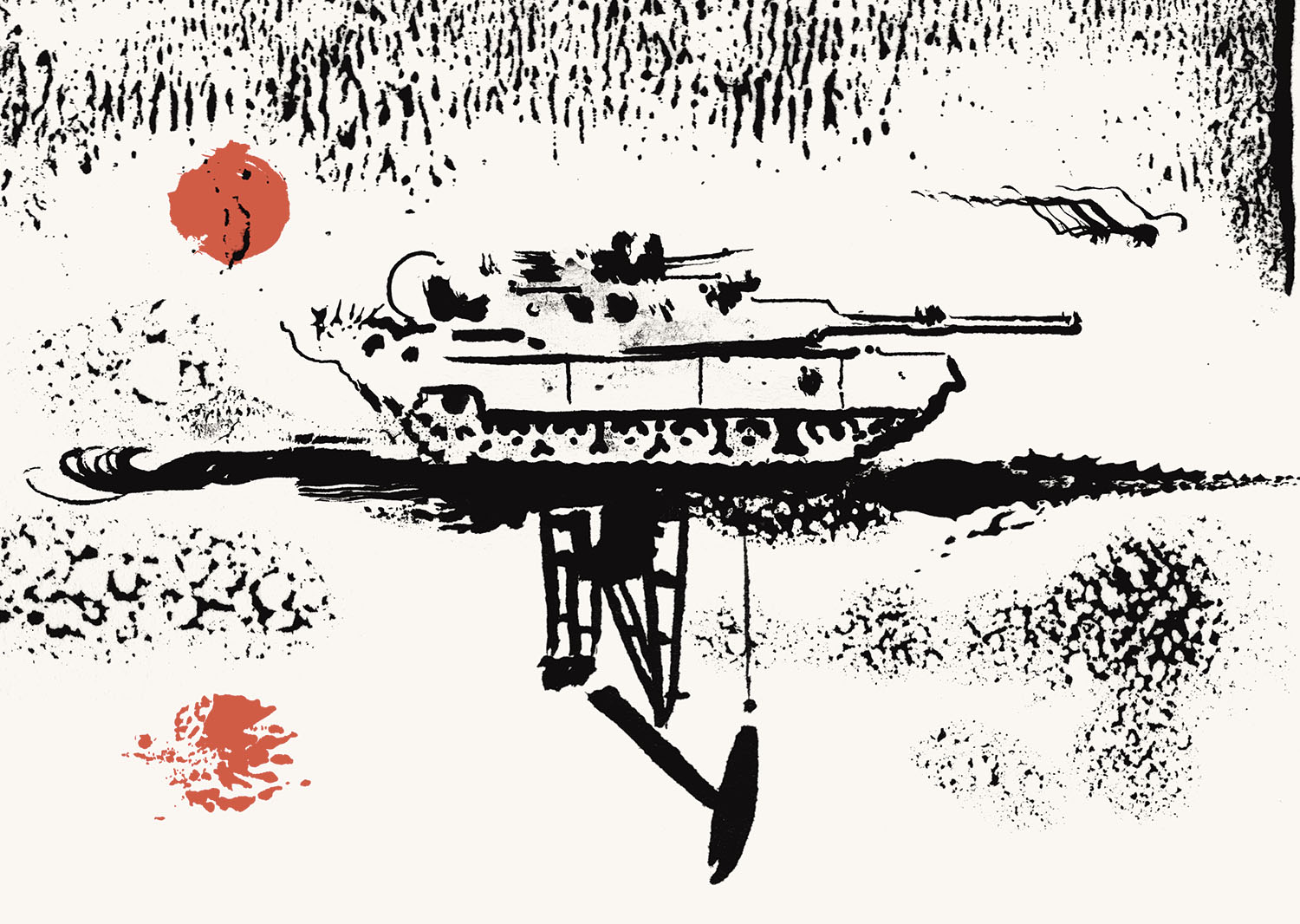
Illustration by Jan Robert Duennweller
Weeks before the invasion of Iraq began, British prime minister Tony Blair appeared on television to make the case for war. He scoffed at an audience member’s suggestion that Iraq’s oil reserves were the motivating factor behind what the US military called Operation Iraqi Freedom: “The oil conspiracy theory is honestly one of the most absurd when you analyze it.”
Yet behind closed doors, Blair’s civil servants were taking a very keen interest in the question of Iraqi oil — and meeting with representatives of British energy firms to discuss it. In October 2002, a Shell executive paid a visit to the British diplomat Edward Chaplin, who went on to serve as the country’s ambassador in Baghdad. He told Chaplin about the “huge” potential of Iraq’s oil fields, stressing that Shell and BP would need to have a stake in the country’s energy wealth “for the sake of their long-term future.” Chaplin assured him that the British government was “determined to get a fair slice of the action for UK companies in a post-Saddam Iraq.”
The minutes of a discussion held the following month summarize what BP officials had to say on the matter themselves: “Iraq is the big oil prospect. BP are desperate to get in there and anxious that political deals should not deny them the opportunity to compete on equal terms.” Iraq was “special for the oil companies,” with “not only the second-largest proven oil reserves in the world but unique ‘yet-to-find’ potential.” BP’s presentation alluded to the geopolitical consequences of expanding Iraqi oil production: “Although the effects on the oil market will be slow to build up, they will in due course be important. Resources will be diverted from other, higher-cost areas (including potentially Russia).”