Silicon Valley Bank’s Collapse Shows Little Has Changed for Big Banks Since 2008
The spectacular collapse of Silicon Valley Bank was caused by corruption, financial recklessness, and poor decision-making. With its bailout echoing 2008’s eager bailouts for the rich, it begs the question: How much longer will Americans put up with this?
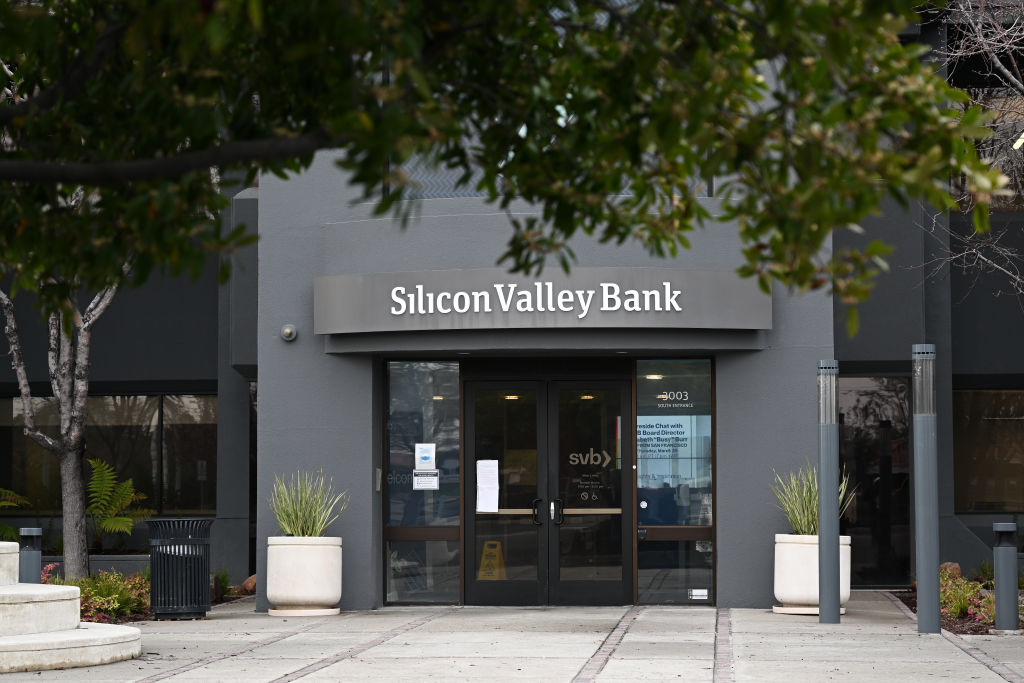
US regulators have shut down Silicon Valley Bank amid its sudden collapse. (Tayfun Coskun / Anadolu Agency via Getty Images)
Every now and then, a development perfectly embodies everything that’s wrong with an era. The collapse of Silicon Valley Bank (SVB) is one such development, the culmination of many years of financial recklessness, corporate entitlement, and corrupted political decision-making.
The sixteenth-largest US bank by assets up until a few days ago, SVB’s implosion is the second-worst bank failure in US history and the worst since the dominos of the global financial crisis began falling in 2008. Founded in 1983, the bank was the go-to financial institution for the glut of Silicon Valley start-ups that have spread like a rash in the era of cheap money, which was one of the factors in its downfall.
When times were good for venture capital, they were also good for SVB, which served nearly half of all US venture-backed companies. Times were particularly good this past decade or so, as the Federal Reserve ushered in an era of rock-bottom interest rates after the Great Recession. Sluggish growth and high unemployment were top of mind for the political and economic elite; low interest rates, the thinking went, would mean a lower cost of borrowing, leading to more investment and more job creation.