The Wizard of Oz’s Greenback Conspiracy
Many of the fantastical elements of The Wizard of Oz were drawn directly from the monetary debates of the 1890s.
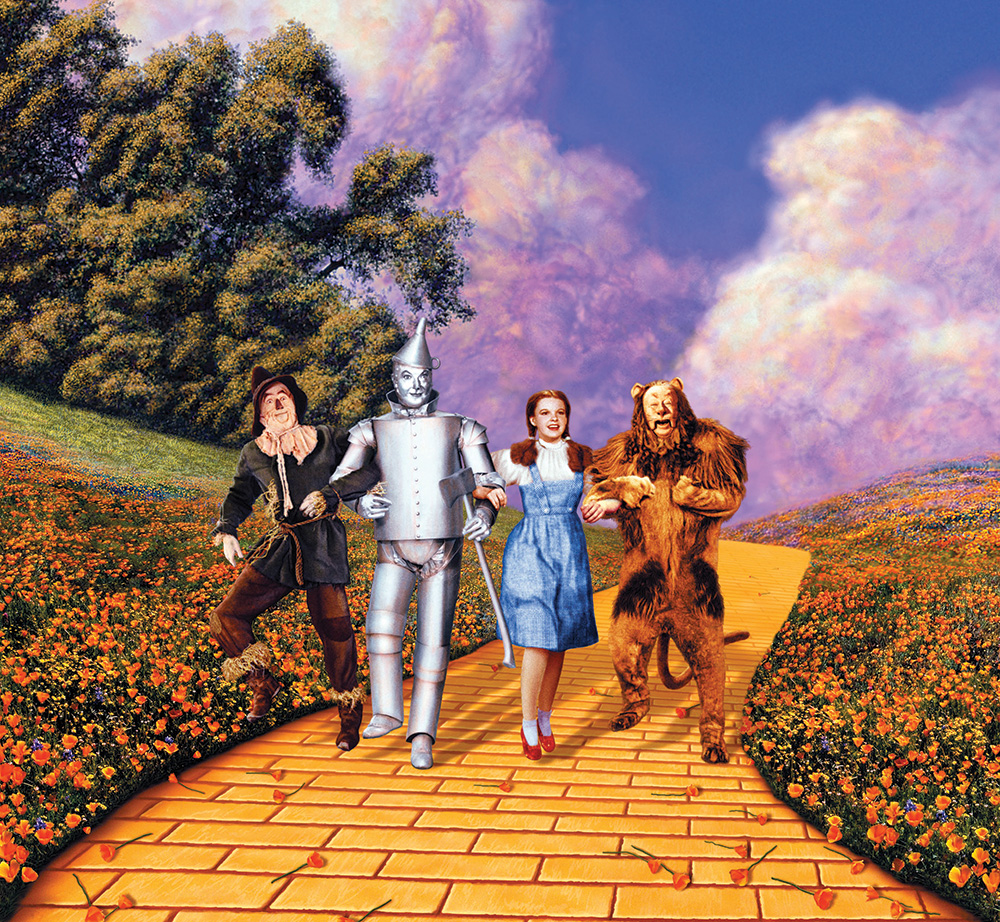
Beginning in the late 1860s, the United States experienced one of the longest periods of deflation in its history, a trend that reached its nadir with the Panic of 1893, which triggered a four-year depression. Unemployment peaked at 20 percent, with industrial areas particularly hard-hit, while in rural regions, farmers suffered from price declines. Long-standing debates about coinage were reignited by the 1893 repeal of the Sherman Silver Purchase Act — passed in 1890 — which required the Treasury to buy 4.5 million ounces of silver each month to convert into currency.
The repeal triggered the resurgence of the populist “free silver” movement, uniting American farmers and silver miners in demanding the unlimited coinage of silver, which they contended would trigger inflation and lessen the debt burden borne by many farmers. With free silver as the key issue in their platform, the Populist Party backed Democrat William Jennings Bryan for president in 1896, in no small part because of the strength of his oration at the Democratic National Convention in Chicago that year, where he famously proclaimed, “You shall not crucify mankind on a cross of gold.”
The Wonderful Wizard of Oz author L. Frank Baum was living in Chicago at the time, and he was known to sympathize with the free silver movement. His magnum opus, about an alternative reality where the streets are paved with gold, can thus be read as an allegory for a very real political discourse happening across America. To see it, all you have to do is replace Dorothy’s ruby slippers from the beloved film with the silver shoes she originally wore in the book, and read the text through the green — that is to say, money-colored — lenses all the original citizens of Emerald City were required to wear.