Workers Didn’t Bring Us Fascism
From Berlin to the Ruhr, the organized working class resisted Hitler’s reactionary appeals.
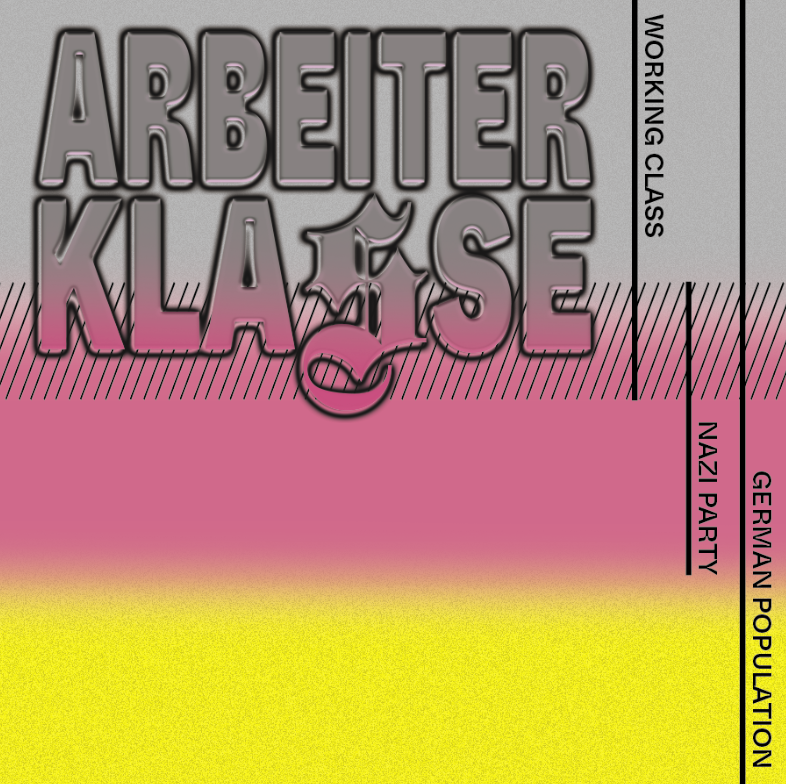
When the young Eric Hobsbawm, already a fully paid-up member of the Communist Party of Great Britain, was conscripted into the army shortly after the outbreak of war in 1939, he got to know, for the first time, genuine members of the British working class. He got along with them well enough, but he was shocked by the vulgarity of their banter and taken aback by the crudity of their political opinions. He felt that they were “complete raw material, for us as well as for fascism.”
As would be expected of a company in the Royal Engineers, the men were mostly “carpenters, bricklayers, painters etc.,” he noted. Some of them listened to the Berlin propaganda broadcasts of William Joyce, “Lord Haw-Haw,” and appeared to believe his antisemitic diatribes; but others enthused about Robert Tressell’s novel The Ragged-Trousered Philanthropists and thought socialism was a good idea. He concluded that the working class would not find its way to socialism without strong ideological leadership (a typically Leninist point by the young Communist) and a powerful institutional base.
Hobsbawm, who had spent his formative years in Germany and Austria, was well aware that the Nazis had won over a substantial portion of the working class to their cause. Adolf Hitler had portrayed himself as a simple man of the people and pledged to overthrow a democratic political system that had only led to mass unemployment (35 percent of the workforce in Germany in 1932), political paralysis, and national humiliation. He would replace it with a “people’s community” that knew no social barriers and would unite all Germans behind a unified and purposeful leadership.