The Return of the Company Town
The Second Gilded Age is starting to look more and more like the first.
A navy blue “Y” logo flies high over Lincoln Yards like a banner of arms. Next to it: a twenty-foot-tall spark plug sculpture that seems intended to glorify “innovation” as the lord of the manor. The North Branch of the Chicago River could even pass as a moat — half of one, at least — when the glass-and-steel towers begin to rise on this fifty-five-acre swath of vacant lots over the next decade.
It’s tempting to peg the $6 billion neighborhood-to-be on Chicago’s North Side as the second coming of a feudal estate. But on closer inspection, Lincoln Yards doesn’t evoke medieval Europe as much as the dregs of late nineteenth-century America.
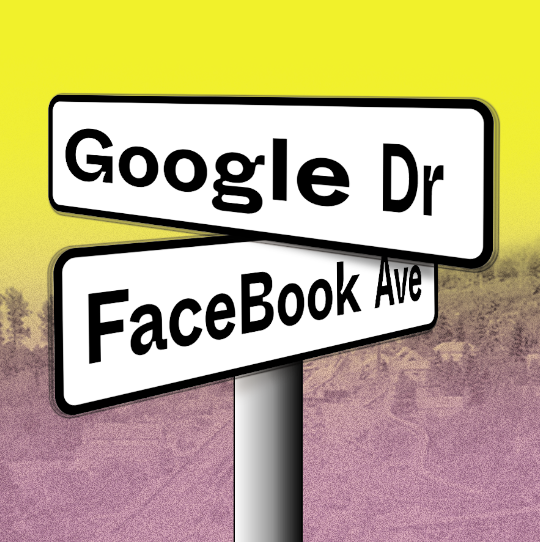
That’s because this fiefdom of the near future is a capitalist one, a planned community built and run by a single corporate entity — in other words, a company town. Once all but extinct in the United States, they’re becoming relevant again in the era of tech monopolies, utopian urban planning, privatization under neoliberalism, and, most recently, the COVID-fueled decline of mass transit.