What Seaspiracy Gets Right About the Exploitative Fishing Industry
The slander against the Netflix documentary Seaspiracy says a lot about fishing industry influence in marine science. We have somehow allowed the fisheries industry’s own scientists to define sustainable fishing goals — it’s a disgrace leading to an ecological nightmare.
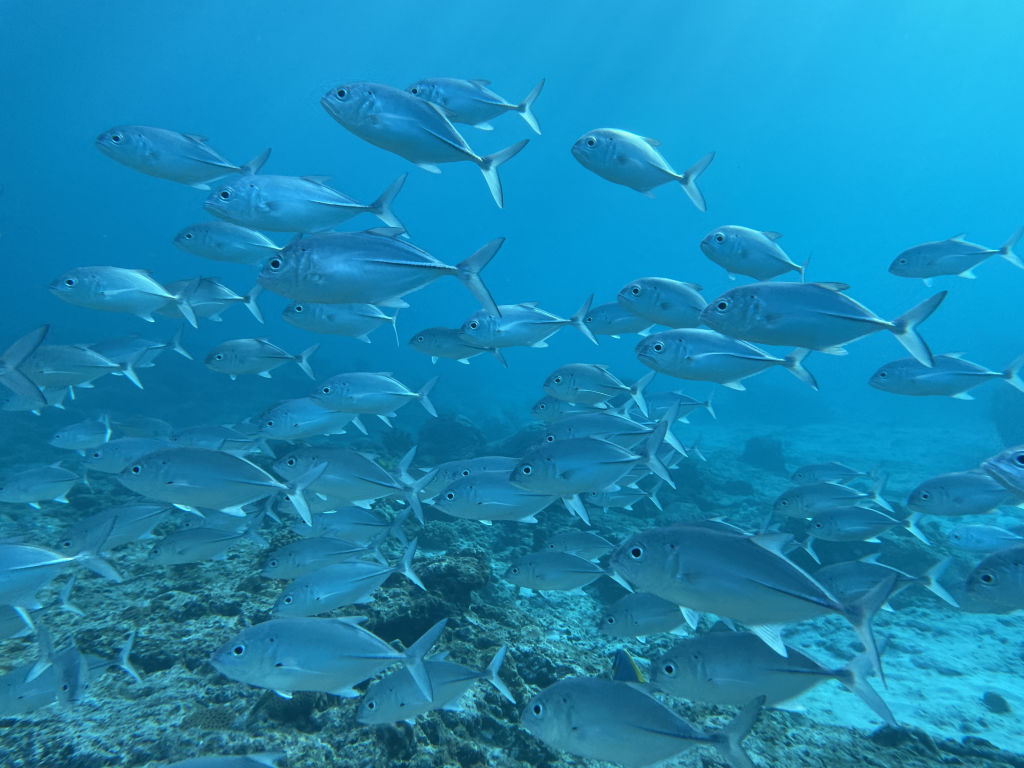
The upwelling scrutiny around Seaspiracy deflects from the greater issues it raises. (Valery Sharifulin / TASS via Getty Images)
“Ocean QAnon,” “eco-fascism,” “self-indulgent vegan propaganda” — fishing industry scientists are angry about Seaspiracy, the new Netflix special topping charts around the world, which details the impact of industrial fishing on marine life and the complicity of certification labels and even some ocean conservation groups. The controversy swirling around Seaspiracy seems to center around statistics, but beneath the surface lurk deeper questions about industry influence in marine science.
Seaspiracy is not without its faults. Its interview style is abrasive. It has excessive animation. It makes a couple of statistical misinterpretations and several oversimplifications. Yet the film is mainly accurate and devastatingly detailed, provoking viewers around the world to question the industry values that have become integral to marine science orthodoxy: Why do we call fish populations “stocks”? What does it mean to call them “under-fished”? How do they calculate maximum sustainable yield? Is it really sustainable?
The academy’s response to Seaspiracy was swift, stern, and sloppy. Although allegedly leaked documents show that groups like the National Fisheries Institute were preparing a media response for weeks, the industry-funded Sustainable Fisheries, University of Washington’s fact-check page falsely claimed that one of the film’s source studies — estimating 20-32 percent of marine life imported to the United States was caught illegally — had been retracted. Ironically, they had to retract the claim. Sustainable Fisheries UW correctly questioned a sea turtle bycatch statistic, for which Seaspiracy repeated a mistake made on a Sea Turtle Conservancy white paper. Even though fisheries scientists tracked down the source study, they didn’t seem to read the abstract, which revealed that the near-global figure was misattributed to the United States. Instead, they attacked its credibility, revealing the modus operandi of fishing industry public relations.