The Massacre in Dersim Still Haunts Kurds in Turkey
A reporter for Jacobin traveled to the Kurdish province of Dersim to investigate the recent discovery of a mass grave from a 1937 massacre. But far from being forgotten, it's an atrocity that still haunts the region today, with millions of Kurds in Turkey struggling for freedom against Erdoğan's latest crackdown.
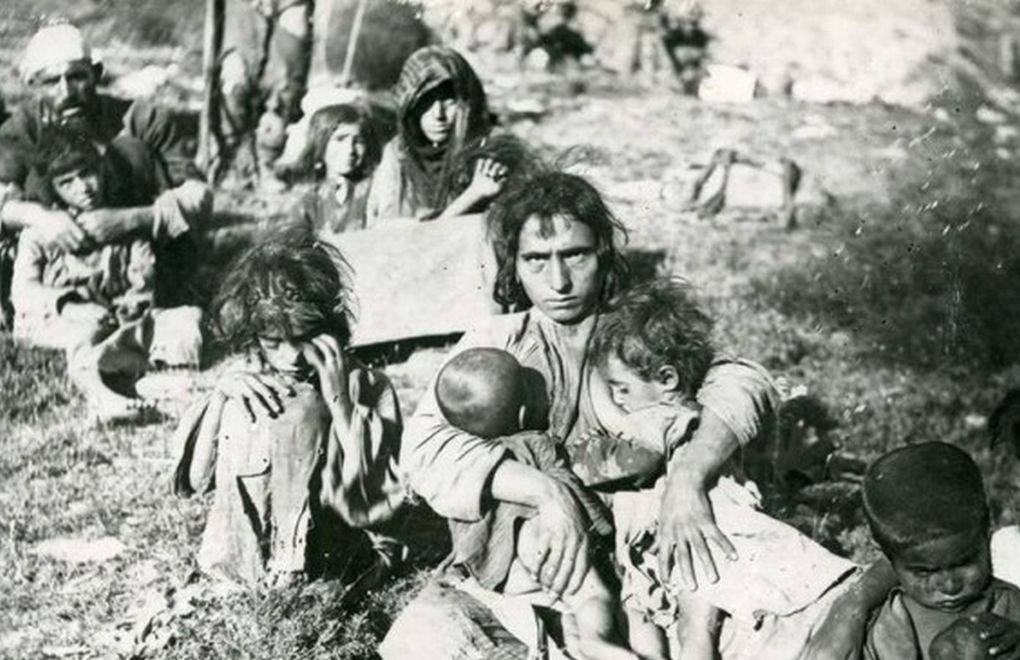
Turkey’s suppression of the Dersim rebellion was likely used as a warning to other Kurdish areas of what would happen to them if they resisted Turkey’s assimilation policies. (Photo: The Federation of Dersim Associations)
A Turkish police official waves his arms at our vehicle, gesturing for us to stop and pull over for a routine security check at one of the numerous police checkpoints scattered throughout Dersim, a predominantly Alevi Kurdish province in the eastern region of Turkey.
Metin Albaslan, thirty-one, immediately steps out of the car after the officer asks for our IDs. He knows the routine. The officer quickly becomes fixated on Metin’s ID. He looks up and shouts “Metin, come here!”
In Turkey, army conscription is compulsory. Metin is a former guerrilla fighter for the banned Kurdistan Workers’ Party (PKK) — a militant group that has fought a bloody campaign for Kurdish autonomy in the east for decades and which Turkey, the United States, and the European Union consider to be a terrorist organization. Metin was just released from a two-year prison stint for his affiliation with the group six months earlier.