What Delhi Tells Us About Neoliberalism
In India, the transformation of Delhi Ridge from a site of working-class politics to a site of breezy recreation shows how a world-class megacity is made under the spell of neoliberalism. Workers are pushed to the side in order to make way for the affluent.
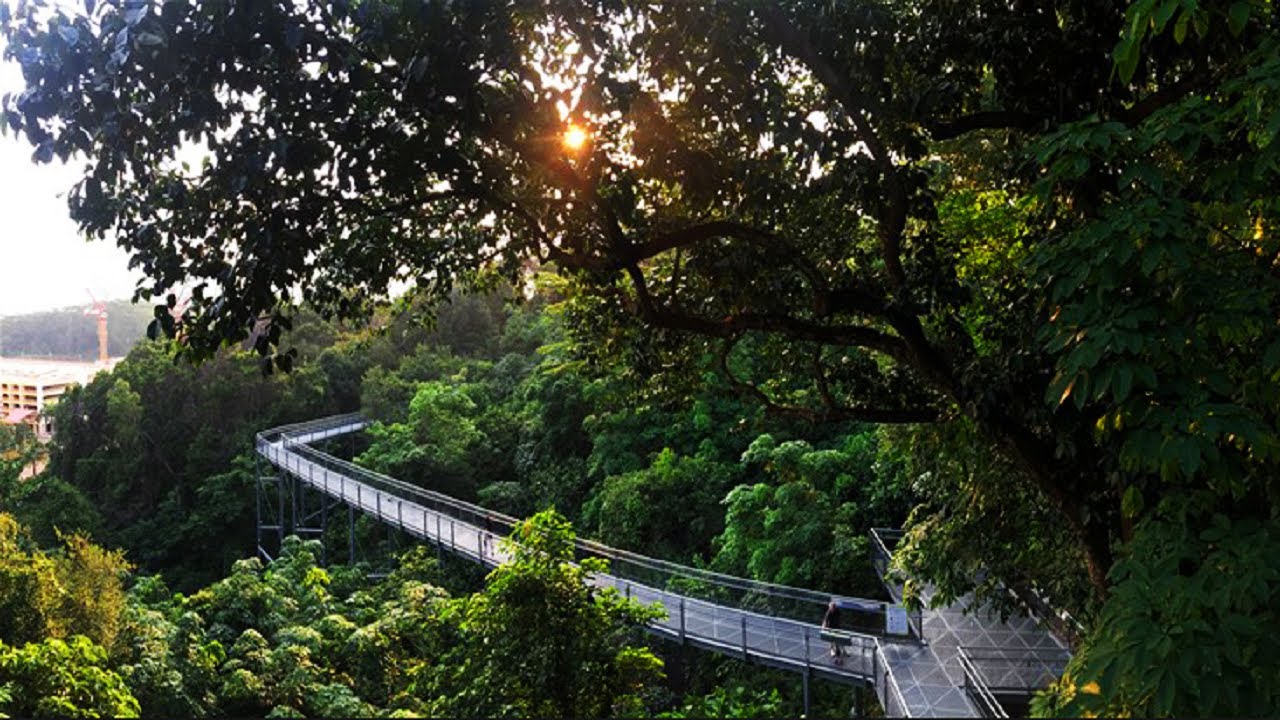
Beginning in the 1980s, a strong environmental movement sprung up to “Save the Ridge” in Delhi, India, from new developments, including luxury malls planned by the country’s largest real estate developer.
India’s capital city, Delhi, is, by some measures, the second-largest urban agglomeration in the world and is on track to be the biggest by 2030. The explosive growth has come at high ecological costs: Delhi frequently records the worst air pollution of any major city.
But Delhi is also surprisingly green, with an expansive network of small neighborhood parks and large protected forest areas. The latter are colloquially referred to as “the Ridge,” clustered around the hills of the Aravalli mountain range. Beginning in the 1980s and picking up steam in the 1990s — not coincidentally, the decade when neoliberalism hit India with full force — a strong environmental movement sprung up to “Save the Ridge” from new developments, including luxury malls planned by the country’s largest real estate developer.
By 1996, the movement had scored some notable successes, including the official recognition of roughly thirty square miles of the Ridge as Reserved Forest, the most protected environmental category.