Bengal Is Being Hit Hard by Climate Catastrophe
When it hit the Bay of Bengal in May, Cyclone Amphan caused apocalyptic scenes, flooding whole districts and flattening villages. Amid a pandemic and in a region already riven by food insecurity, storms like these are catastrophic.
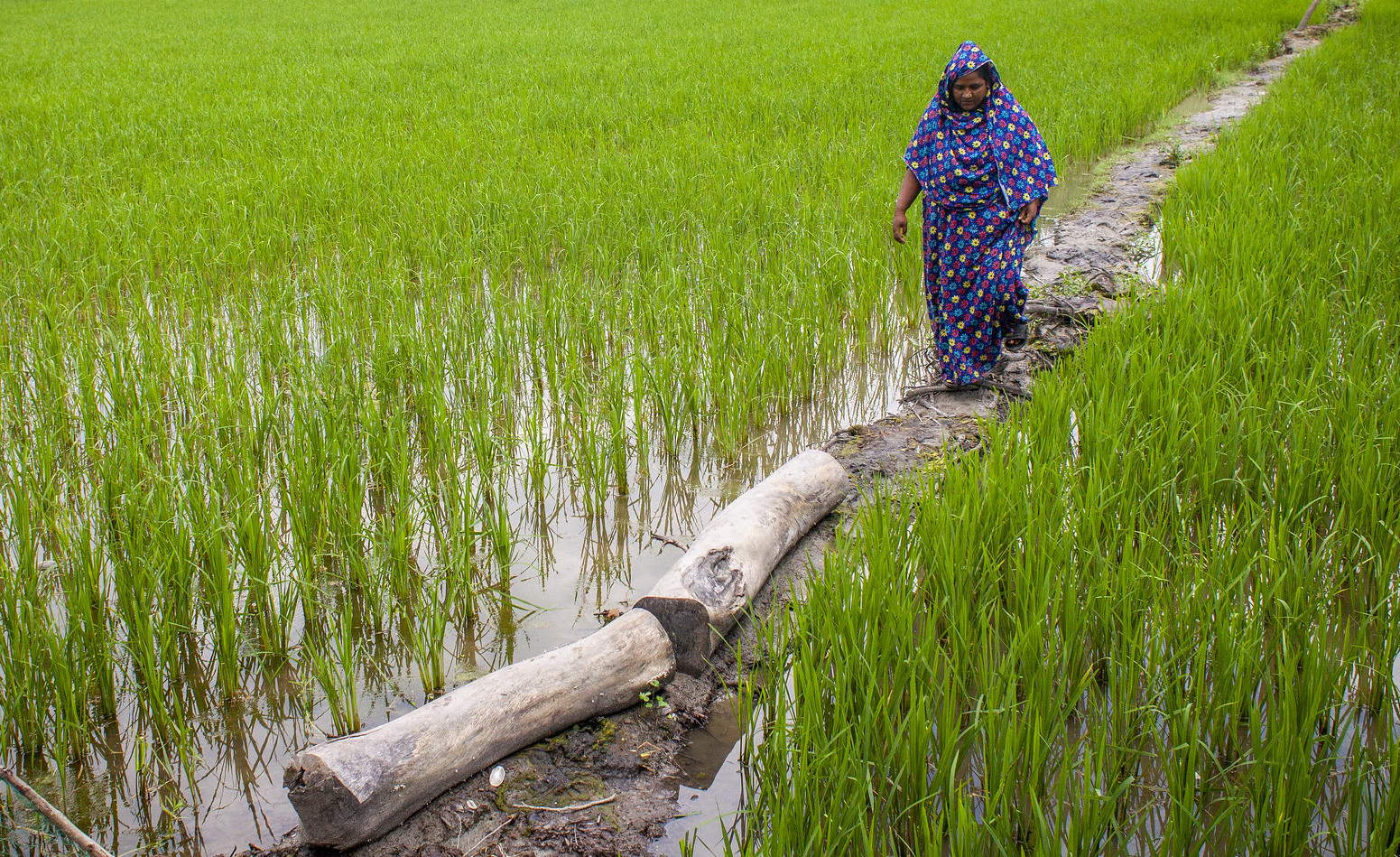
A worker in southwestern Bangladesh whose livelihood has been affected by Cyclone Amphan. (UN Women Asia and the Pacific / Flickr)
When the climate crisis is referred to as anthropogenic, I tend to think of two related but separate phenomena. On the one hand, there is the increase in greenhouse gas emissions since the Industrial Revolution which has contributed to a rise in global mean temperatures, leading to more extreme weather around the world. On the other hand, there are the man-made structures — physical, administrative, societal — which conspire to turn “weather events” into catastrophes.
Cyclone Amphan, the most powerful storm to hit the Bay of Bengal in the twenty-first century, made landfall on May 20. Videos from the ground showed apocalyptic scenes — winds of up to 185 kilometers per hour battering settlements of makeshift homes into oblivion, a terrifying five-meter storm surge, and rivers overflowing their embankments.
By the time it had made its way from the southern districts of West Bengal, which include the capital Kolkata, through to northern Bangladesh, it had left a trail of devastation in its path. Whole villages had been flattened; entire districts flooded; countless trees uprooted, many crushing cars and buses; power lines toppled, leaving millions without electricity; as well as an incalculable number of deaths to wildlife and livestock.