In Bernie’s Brooklyn, Political Revolution Was Mainstream
To many Americans, Bernie Sanders’s brand of socialism seemed to leap onto the national stage from out of nowhere. But in the postwar Jewish Brooklyn where he grew up, the socialist tradition and a veneration for the New Deal were central touchstones of mainstream politics.
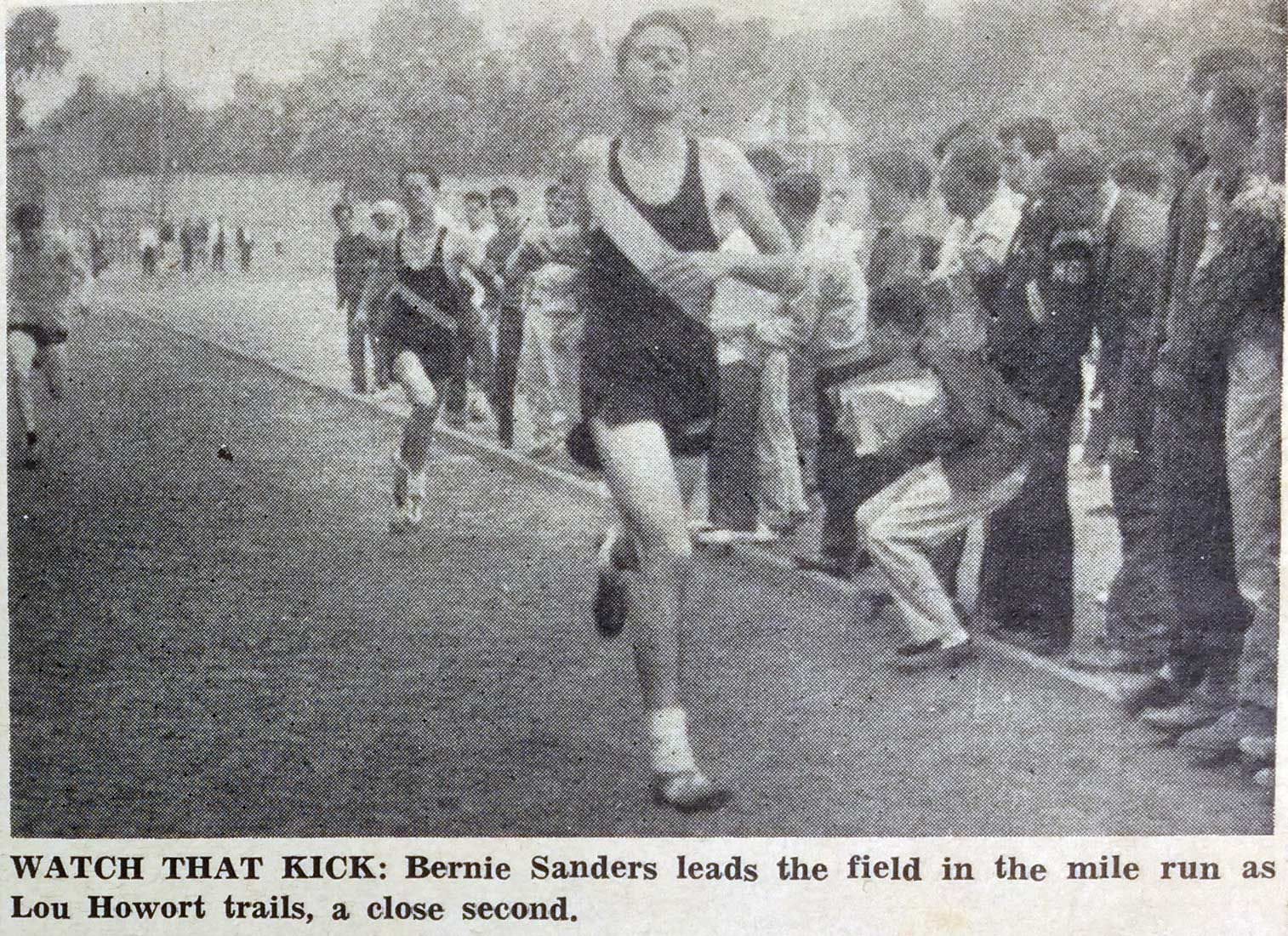
Bernie Sanders running track in high school in Brooklyn, New York.
In his two bids for the presidency in the 1950s, Illinois governor Adlai Stevenson mobilized support from his leading ally Eleanor Roosevelt’s loyal base of followers in Brooklyn — the vast ranks of which included Bernie Sanders’s mother, Dora. Amid the Korean War, Stevenson challenged Eisenhower by casting himself as a supporter of peace and international cooperation, calling for US adherence to the United Nations policy in Korea and touting his support for the New Deal.
As Eleanor told readers of her widely syndicated “My Day” column in late October 1952, “I think the overriding concern about peace, and about preserving the well-being that the people now enjoy in this country, will make them vote for Governor Stevenson.” Although Adlai got crushed, losing both New York State and the nation by 55-44 percent, he carried Brooklyn by over 200,000 votes. Over one-quarter of those tallies came from the Sanders family’s district in Flatbush (now Midwood).
In late October 1954, Stevenson came back to Brooklyn to stump for Eleanor’s New Deal slate in the New York statewide races — and this time he landed three blocks from the Sanders family’s home. Bernie later explained that his parents “went to only one political meeting that I can recall, when Adlai Stevenson spoke at my elementary school, PS 197.” Bernie (born 1941) was in eighth grade at the time.