Freedom Gained and Lost
In 1861, coastal South Carolina witnessed an experiment in what Southern slave emancipation could have looked like: communities of freedmen owning their land and passing it on to their heirs. Those island communities have survived to this day — but real estate development is now threatening to destroy them.
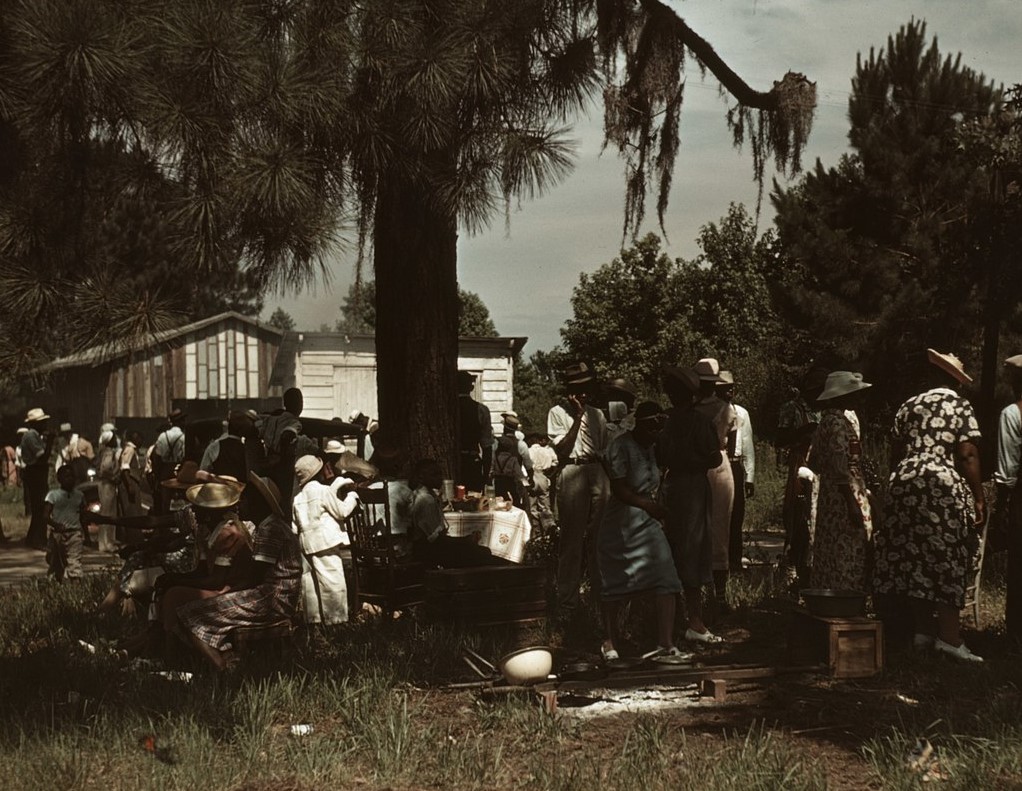
Fourth of July picnic, St Helena Island, South Carolina, 1939.Library of Congress / Wikimedia
In November 1861, just months after the Civil War began, the Union Army occupied the Sea Islands of South Carolina, freeing ten thousand slaves and sending Confederate soldiers and rice plantation owners fleeing for their lives.
Before the war was over, the emancipated black population worked for wages for the Union Army, which had converted the island’s mansions into barracks. Known as the Port Royal Experiment, this period was a trial run for emancipation.
When the war was over, the fields were ruined by neglect. Former plantation owners were nowhere in sight, and Reconstruction-era authorities made little attempt to track them down. Northern business owners bought many of the properties, and before long the former Sea Island slave population — known as the Gullah people in South Carolina and the Geechee people in Georgia — had earned enough money to buy some acreage of their own.