Ireland’s Red Troubadour
Luke Kelly was Ireland’s best-known folk singer — he was also a lifelong socialist.
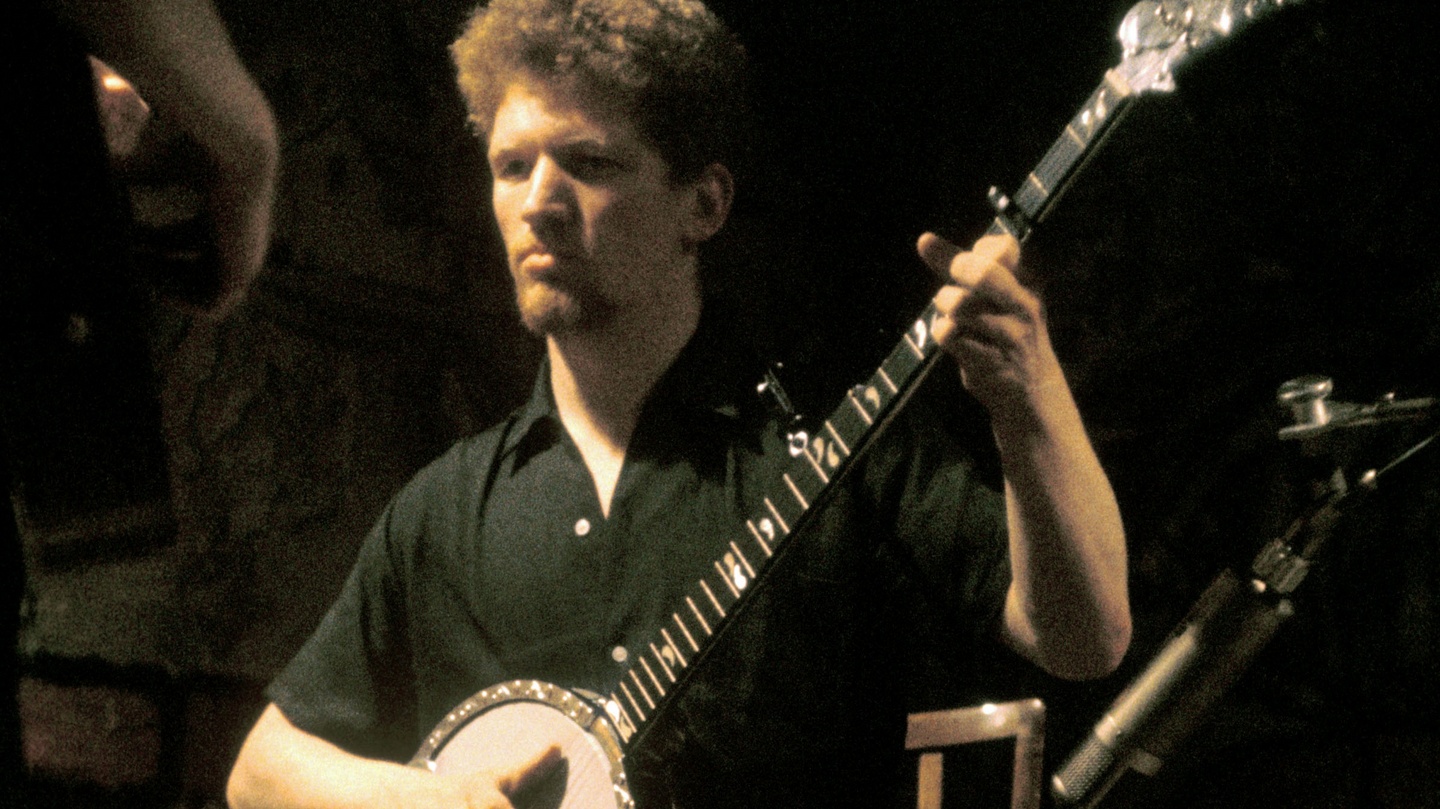
Luke Kelly at 1964 London performance.
Luke Kelly was born in Sheriff Street, one of the best-known thoroughfares of Dublin’s north inner city, in November 1940. For decades the area’s workers had labored on the nearby docks — providing the backbone, thirty years before, for much of Jim Larkin’s organizing efforts. But by the mid-twentieth century, those employment opportunities had begun to decline and living conditions were often poor. Luke was born into a one-room cottage on Lattimore Place with communal toilet and taps shared among eight families.
But his father, another Luke Kelly, was one of few at the time who managed to get a well-paying job, working in another bastion of Dublin labor at the Jacob’s Biscuit Factory. When Dublin Corporation finally got around to demolishing the Lattimore cottages in 1942, the Kellys became the first family to move into the new St. Laurence O’Toole’s flats, a place which provided the basis for a childhood Luke junior remembered fondly.
As Pete St. John memorialized in The Rare Ould Times, working-class Dublin in the early 1940s was a city of songs and stories, and “haunting children’s rhymes,” a place where lyricism pervaded daily life. In the absence of radios in most houses, this tradition was carried down in sing-songs, often taking place in nearby houses after pub closures. Although Irish rebel tunes were always part of the repertoire, Luke’s father’s specialties were American. As his brother, Paddy Kelly, remembered, “he had this talent, our father, to sing negro spirituals by people like Paul Robeson, we used to sit around and join in — that was our entertainment.”