The Other Candidates
It's presidential election year in Brazil, and anything is possible.
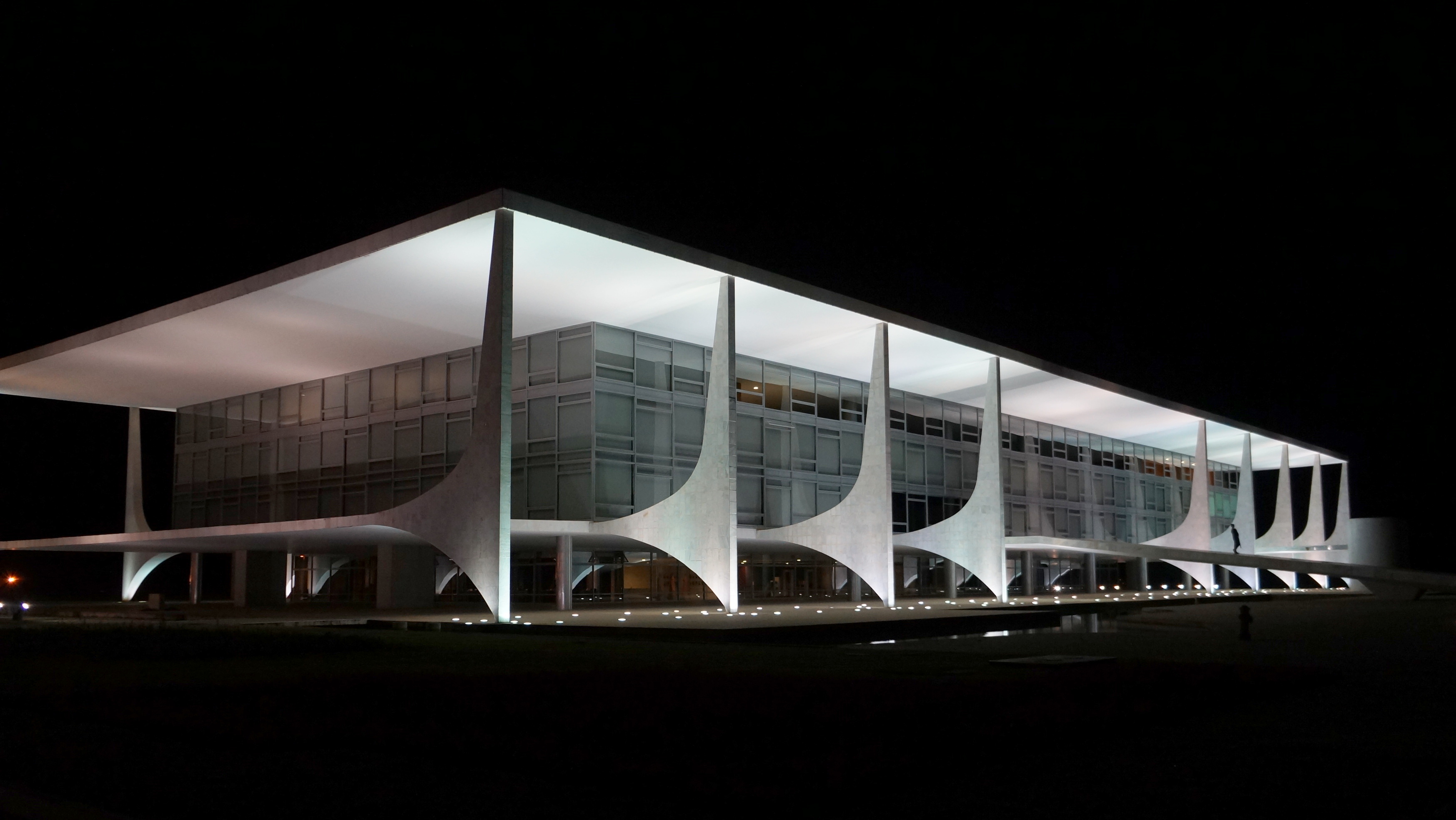
The Palácio do Planalto, the official office of the president, in Brasília, Brazil on May 4, 2013.Leandro Neumann Ciuffo / Wikimedia
As a historian of Brazil, I learned long ago that predicting the future is a risky business. The country’s past is filled with unexpected twists and turns, far too numerous to enumerate here. It is safe to say, however, that in this year of presidential elections, anything is now possible.
The Workers’ Party (PT) decision to continue supporting Luiz Inácio Lula da Silva’s candidacy for president after the 3-0 decision upholding his conviction for corruption and money laundering makes strategic sense. It challenges the weak case against him and casts the decision as political persecution against a person who remains incredibly popular among a large segment of the population.
According to the Barômetro Político Estadão-Ipsos poll conducted in November 2017, sponsored by the conservative newspaper O Estado de São Paulo, Lula’s approval rate reached a six-month high of 45 percent, climbing up from 28 percent in June 2017. His rejection level remained significant, around 54 percent, although it has dropped 14 percent over the past half year. Before this most recent verdict, momentum was clearly on Lula’s side. The most recent DataFolha poll, conducted after his appeal, found 37 percent of those interviewed still in favor of his candidacy for president.