The Long Brazilian Crisis
Latin America's largest economy is in disarray; its historic Workers Party faces destruction; and its radical left searches for a response.
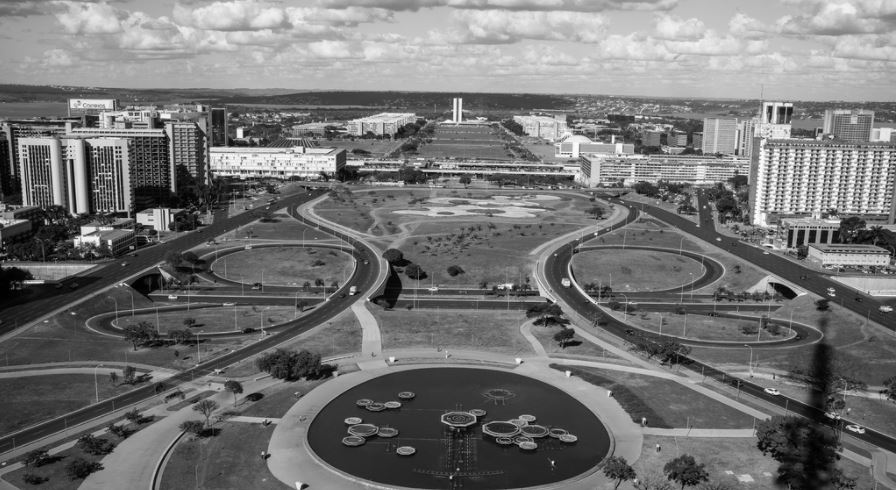
Brasília, Brazil. Thomas Halfmann / Flickr
Wednesday, January 24, 2018 might prove to be an infamous day in the history of Brazil. That day, a regional court of appeals in the southern city of Porto Alegre voted unanimously to uphold former president Luiz Inácio Lula da Silva’s corruption conviction, sentencing him to twelve years in prison. For many, Lula’s conviction marks a victory against the culture of elite impunity and criminality that scars Brazilian politics. For most of the Left, this judgment represents another nail in the coffin of Brazilian democracy, as a reactionary judiciary seeks to ban Brazil’s most popular politician from competing in the upcoming 2018 elections.
Lula’s conviction has the potential to throw Brazil’s political system deeper into crisis. In a climate of generalized political uncertainty, the far right has a chance to make significant electoral gains, as the pro-dictatorship bigot Jair Bolsonaro runs second to Lula in the polls. Bolsonaro is gaining new supporters, who, disgusted by endless corruption scandals are attracted to his authoritarian demagoguery, evidenced by such statements as “a policeman who doesn’t kill isn’t a policeman.”
The conviction marks yet another step in a political saga that has plunged Brazil into its deepest political crisis since the country’s return to democracy in the late eighties. Depending on who you ask, this operatic saga began either in 2014 after the Workers’ Party (PT) candidate Dilma Rousseff, who was then seeking re-election, narrowly edged out the candidate of the center-right Social Democratic Party of Brazil (PSDB) Aécio Neves, or in June 2013 as the biggest protest movement in recent Brazilian history transformed the political landscape. Unable to push the PT from federal power through electoral means, Brazil’s right-wing establishment — through its control of the media and allies in the judiciary — sought to reverse the 2014 election and remove Dilma.