Spoiling the Beautiful Game
How big-money influence and loose financial regulations are allowing human rights abusers to launder their public image through soccer.
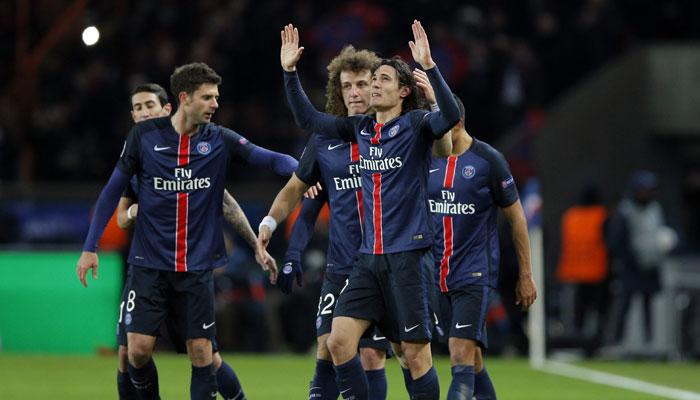
In 2010, when Barcelona announced a landmark $175 million five-year sponsorship with the Qatar Foundation, it seemed as though a new era had been ushered into the world of soccer. Never before had such a sum been agreed upon for a shirt sponsorship. The club’s vice president, Javier Faus, hailed the negotiation as the “biggest in the history of football and at a time of economic crisis, too.” Barcelona, one of the last stalwarts to hold out against high-rolling sponsors, had finally caved — and in spectacular fashion. The shirt sponsorship would be the first in the club’s 111-year history.
The 2010 deal was initially billed as a humanitarian effort. The Qatar Foundation, created in 1995 by Sheikh Hamad bin Khalifa Al-Thani, the emir of Qatar, and chaired by the first lady, aimed to bolster education and development within the country. It coupled well with the brand that Barcelona had been cultivating for so long, an identity easily summarized in a simple slogan: “More Than a Club.” Fans, however, were not entirely convinced, and soon wondered whether the deal had compromised Barcelona’s identity. Had the club sold out?
Before long, they would have a definite answer. By 2013, Barcelona had signed another shirt deal with a different sponsor under a similar name: Qatar Airways. No longer under the guise of charity, Qatar successfully positioned its brand in one of the most sought-after advertising spaces in the world. The airline, with ties to the Qatari royal family, became the club’s first corporate sponsor, turning Barcelona’s philosophy on its head.