When Organizers Are Professionals
The transformation of community organizing into a “profession” is a barrier to radical political change.
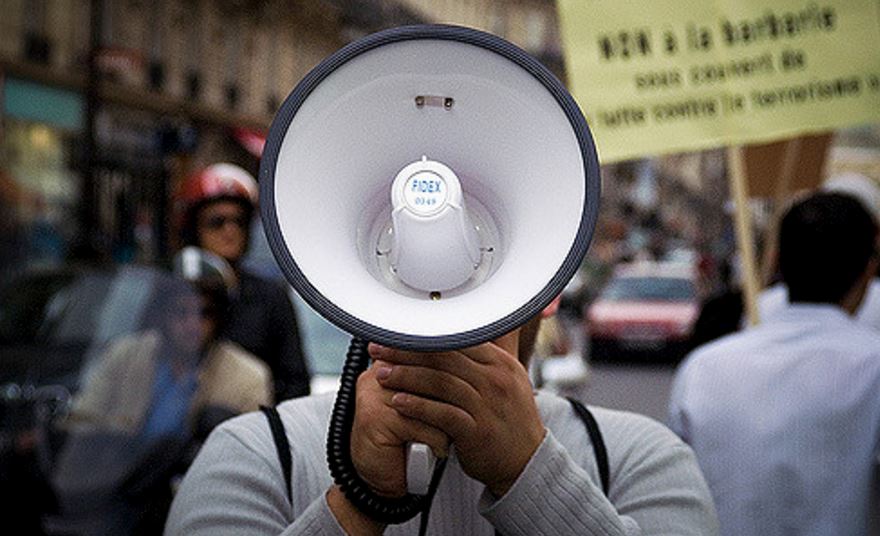
looking4poetry / Flickr
In a recent piece, “All Worked Up and Nowhere to Go,” Amber A’Lee Frost offers a strident critique of the “self-appointed Trump Resistance.” Against the romanticism of protest for protest’s sake which pervades today’s radical, “self-sabotaging” left, Frost hammers home the need for dull, tedious organizing work where it is most needed: in the workplace, because that’s where the strategic power is.
Sounds good. But before throwing oneself into such organizing, one might want to figure out a lay of the land. Calls for people to follow Joe Hill’s old exhortation to stop mourning and organize are plenty these days, but what is meant by organizing exactly is hardly ever explained further; what organizing actually looks like today, even less so. We need an analysis of the landscape of organizing today.
In the United States, that includes not just the kind of workplace organizing Frost mentions, but community organizing. By examining such organizing in one city, Chicago, we can examine some of the current practices that are used in the kind of organizing Frost is calling for today. Such an examination shows that organizing has become a profession. To rebuild a radical, emancipatory class politics, we have to reckon with that professionalization.