Remembering Romero
As El Salvador celebrates Oscar Romero's beatification amid violence and inequality, his vision of social justice offers a way forward.
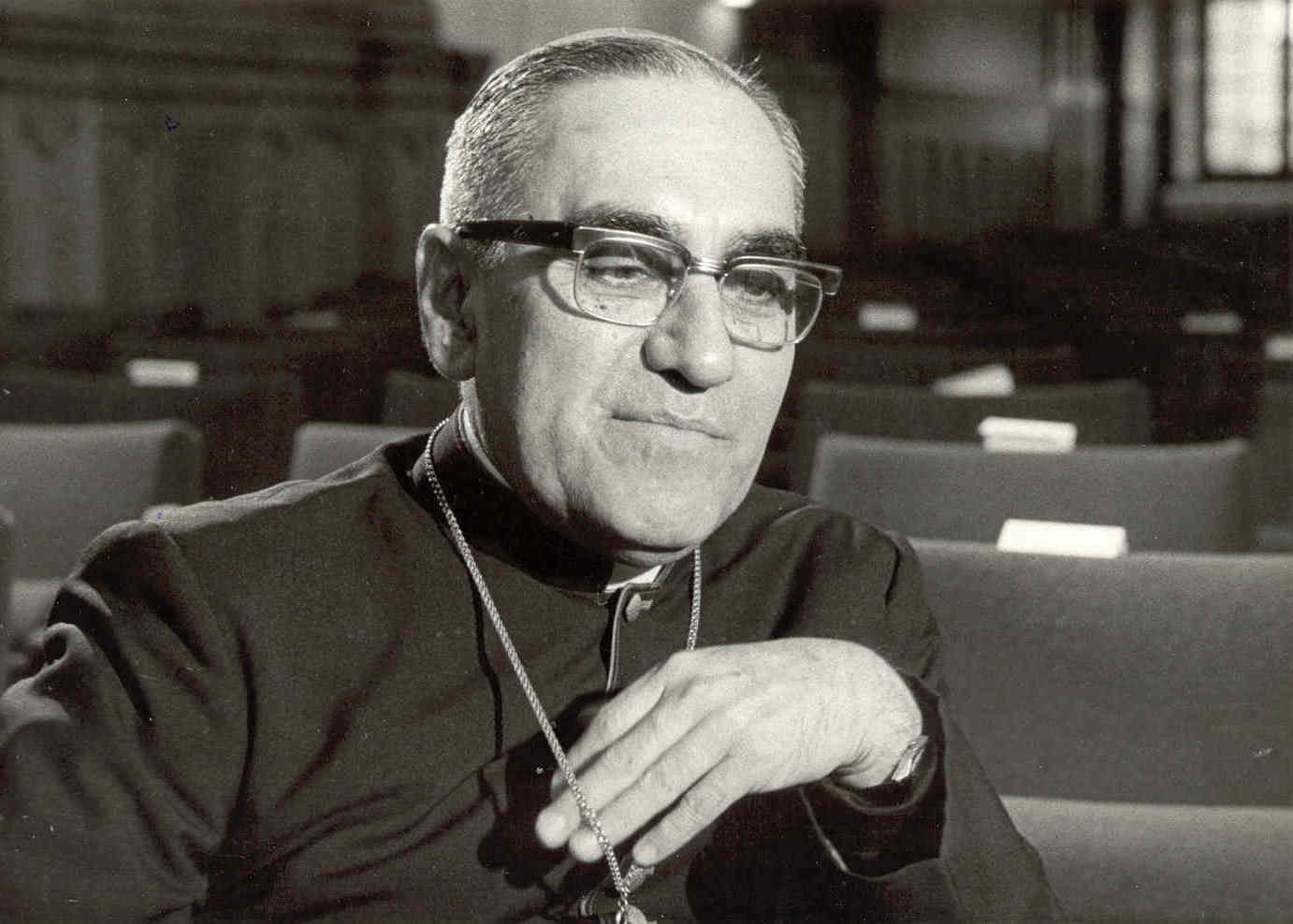
Felton Davis / Flickr
Across Latin America this past week, millions of the region’s faithful celebrated the beatification of El Salvador’s Archbishop Oscar Romero. The Catholic priest, who was gunned down while delivering mass on March 24, 1980, was declared a martyr by Pope Francis earlier this year following years of opposition by conservative forces within the Vatican. Beatification is widely believed to be Romero’s next step on the road to sainthood.
While his murder was never solved, its motivations were never in doubt. The years just before the country’s civil war, which officially began in 1981, were marked by violent repression. Popular discontent with growing inequality and a worsening economy led to increased calls for land reform and a new government, while electoral fraud extinguished any hopes for democratic accountability.
The US-backed military repeatedly blocked center-left parties from taking power while right-wing death squads assassinated political dissidents, put down popular protests, and instilled widespread fear among the population. As opposition groups organized and took up arms to fight back, the military escalated the violence. US support for the regime also increased.