Privatizing Marx
We shouldn’t sympathize with Lawrence and Wishart. Karl Marx’s work belongs to the public.
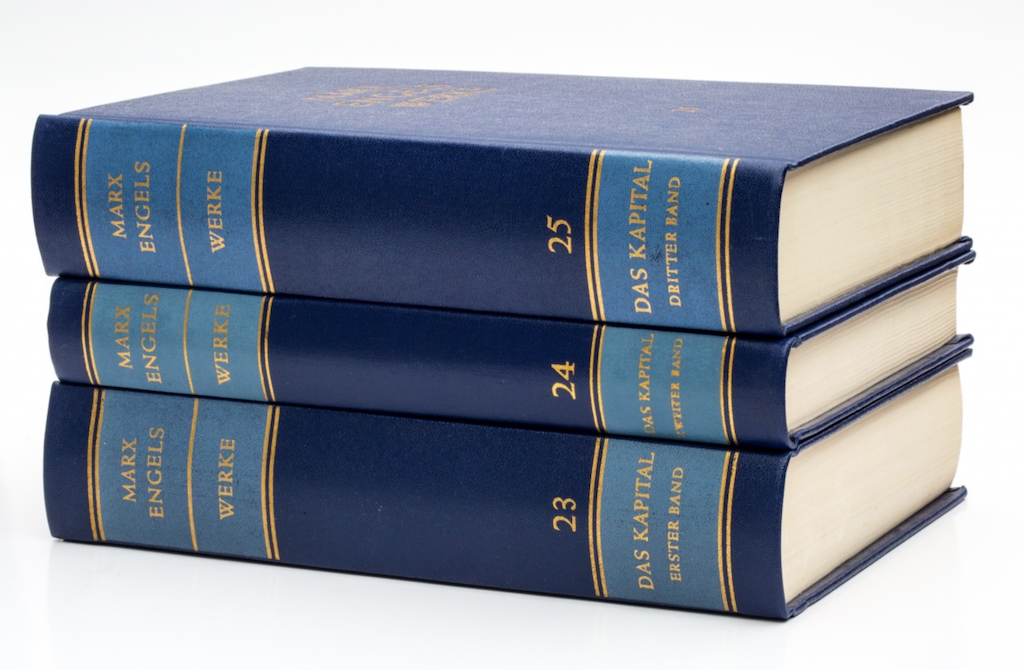
Opposition to the privatization of Marx’s and Engels’s writings is part of the struggle against the crisis, austerity, and neoliberalism all over the world. (Public Domain)
The global economic crisis and the social movements emerging in response have stimulated a revival of interest in Karl Marx’s critique of political economy. Thomas Piketty’s much-discussed book highlights the nexus between capital, inequality, and impoverishment — a nexus central to Marx’s own thought. With mainstream economists proving incapable of offering realistic alternatives to a deepening crisis, a demand for a Marxist critique that can speak to present needs is growing.
Marxist scholars and activists around the world have found in the Marxists Internet Archive (MIA) an essential tool in their struggle for social change. The MIA is an extraordinary resource, providing easy and free access to essential works of the international labor and socialist movements. The volunteers of the MIA have published ten of thousands of works in sixty languages of various socialist thinkers and militants. They have invested years of effort into maintaining the online archive, netting around two million views every month.
Yet on the eve of May Day, the British publishers Lawrence and Wishart (L&W) forced the MIA to delete those parts of the Marx-Engels Collected Works (MECW) that had been available on the website. L&W share with the New York-based International Publishers and the long-defunct Soviet Progress Publishers the ownership of the rights to the English translation of the MECW: fifty volumes in total, produced over thirty years.