A History of Taxing the Rich in California
A look at the history of efforts to tax the rich in California suggests that the recent loss of Proposition 40, the billionaires tax, does not mean the end of progressive tax conflict in California. Prop 40 is a battle lost, not the war.
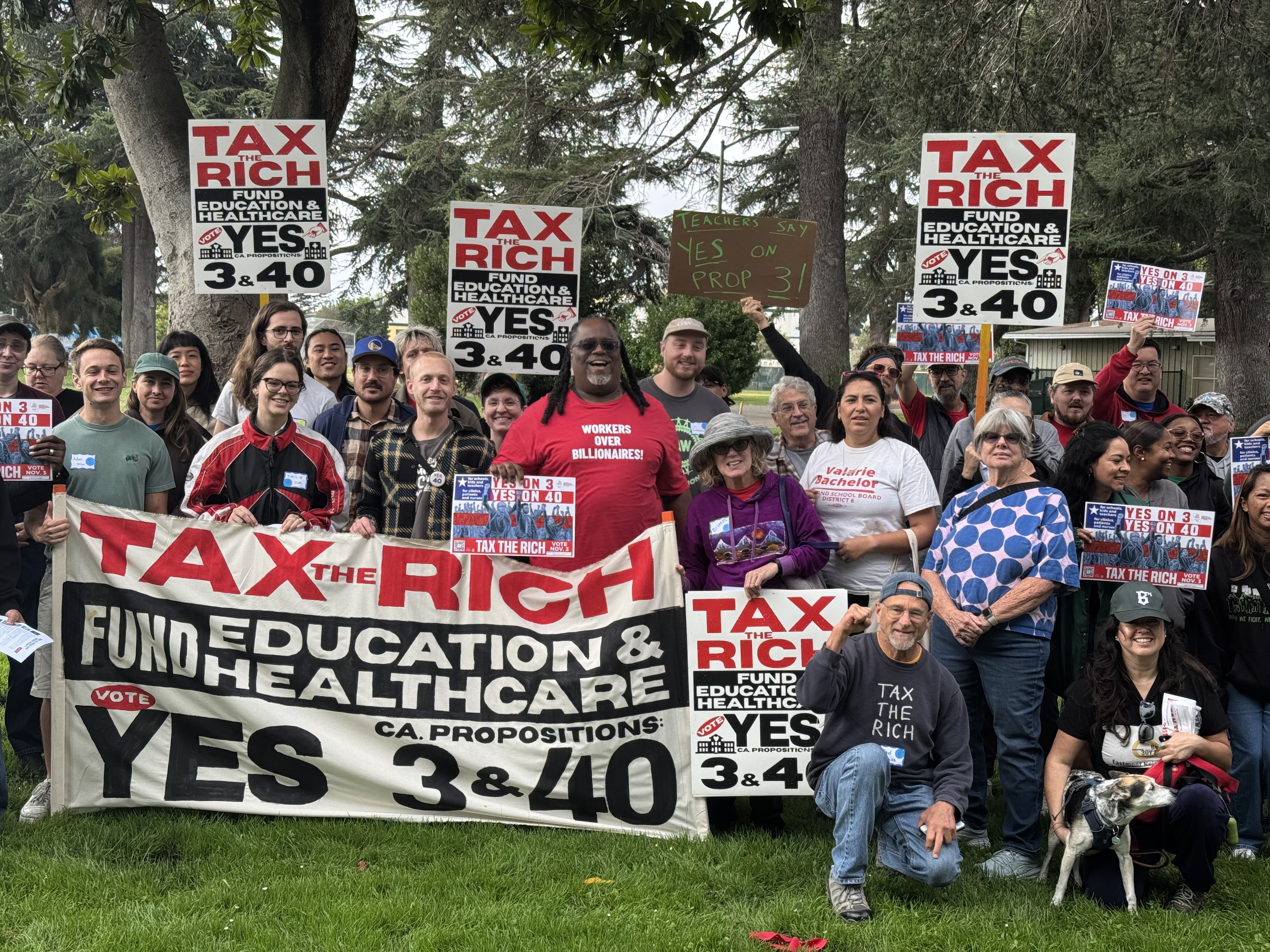
Prop 40, California’s proposed billionaire tax, now enters into the pantheon of noble but failed attempts to tax the rich in the state. Here’s a history of those attempts, with an eye toward winning them in the future. (Courtesy Fred Glass)
In the wake of the defeat of Proposition 40, the billionaire tax in California, observers are parsing the loss. The good news is that there were actually two progressive tax ballot measures before the Golden State’s electorate this year, and while we lost Prop 40, we won the other one, Prop 3. This point is key, because it’s not possible to grasp the reasons for the loss of 40 without knowing its intertwined history with Prop 3. Since economic inequality will not be disappearing any time soon, and taxing the rich is an integral aspect of fixing the problem, we need to devise a balance sheet of lessons drawn from these two campaigns to inform the next round.
Prop 3 has made permanent a temporary state income tax in place since 2012 on the top 2 percent of income earners. These are people who make at least $370,000 per year. Prop 3 mostly supports public education but also supports other state-funded services. Last year, it brought in over $14 billion in revenue, close to 6 percent of the entire state budget. Prop 3 passed by a comfortable margin of better than 60–40 percent.
Prop 40 — which lost 52–48 percent — proposed to tax California’s 250 billionaires on their bloated collective wealth (an estimated $2.4 trillion), a 5 percent levy to backfill cuts that Donald Trump and the Republican Congress made to federal Medicaid assistance to the states. Until now, California’s share came to $20 billion a year. Starting January 1, 2027, the loss of Prop 40 means that unless the state’s governor and legislature come up with a Plan B (and there is barely a glimmer of one at the moment), three million of the poorest Californians will lose access to health care.
This goal of Prop 40, to save health care for the state’s indigent, was lost in mainstream media reportage on the campaign, which breathlessly — and in the worst tradition of fawning celebrity journalism — focused on the astronomical sums of money spent against Prop 40 and narcissistic wounds suffered by the ultrarich at the prospect of paying higher taxes.
Example: a New York Times story in the final weekend of the campaign, “Inside the War Against California’s Wealth Tax,” managed to spill ink across two pages without saying a single word about the purpose of the tax that the self-absorbed right-wing billionaires were fighting.
Little attention, too, was devoted to analyzing what the enormous spigot of political action committee (PAC) money against the billionaire tax purchased: a torrent of some of the most deceptive and deliberately confusing paid messaging ever delivered in a state ballot measure campaign (and that’s saying something). Prop 3, by contrast, received generally favorable coverage and flew mostly below the radar, while Prop 40 was being carpet-bombed.
What accounted for the differing treatment? And does the result mean Prop 40 was a first step toward wealth taxes from which we can draw valuable insights and move forward? Or a serious mistake from which it will take a while to recover?
What They’re Saying
One postelection refrain is the assertion that the billionaires have way too much money and will spend so much (which they won’t even feel) that the people don’t stand a chance to tax the rich. The implication is that progressive forces should work on other issues that we can actually win. There is an obvious element of truth here, but it’s only part of the story. It’s also the defeatist lesson the billionaires would like us to internalize.
A more nuanced narrative: Forget a wealth tax. Proposition 3, a top tier income tax, was on the same ballot and won. Only income taxes on the rich stand a chance.
Again, a partial truth: the failure of one wealth tax doesn’t mean all will fail. But the devil is in the details. And income taxes on the superwealthy, as Thomas Piketty pointed out a dozen years ago, are so twentieth century. They are still necessary, but they are a mismatch with the ability of the rich to avoid tax scrutiny. And that focus ignores the big enchilada of where the real money is.
Then there’s Governor Gavin Newsom’s self-serving mantra: You can’t do it in one state. It has to be a federal wealth tax. Which is half right — we do need that. But it’s not an either/or. Fully one-quarter of the country’s billionaires reside in California, and there’s plenty of need for a fair share of their taxes right here.
Finally, for people closer to the labor campaigns for 3 and 40 — they were both led by unions — and tuned into the inside baseball, there are competing stories about why the campaigns did not work together, and crucially, why a handful of important labor and nominally progressive organizations opposed the billionaire tax. The division inflicted real damage on 40 and, with its defeat, perceptions of what’s possible along these lines in the future.
Sorting through these viewpoints and explanations with the goal of doing better next time requires some background in California’s tax wars, beginning with the disastrous Prop 13. Had the major backer of the Prop 40 campaign, SEIU-United Healthcare Workers, absorbed the history and applied its lessons from the outset, things might have gone differently. That knowledge might have also given the leadership of the Prop 3 campaign a more expansive view of the state’s tax needs than the narrow picture they felt compelled to defend.
Prop 13
No examination of California’s tax politics can avoid the legacy of Prop 13. The proposition was placed on the California ballot in 1978 by the Howard Jarvis Taxpayers Association, an anti-tax group backed by big business. It turned out to be a small government, anti-tax program replicated by the Right all across the United States.
Prop 13 capped property taxes at 1 percent of assessed value and limited increases in tax rates to no more than 2 percent per year. Although it was sold to the public in a time of high inflation as a measure to “keep grandma in her home” on her fixed income, it applied to both residential and commercial property. This meant, over time, that large commercial property owners would pocket billions of dollars in the difference between what they pay in taxes and what they would be paying if their property, increasing in value over the years, was reassessed upward to market value.
Prop 13 didn’t stop with revisions to the property tax code. A state constitutional amendment, it changed the threshold for the legislature to pass any tax from a simple majority to two-thirds supermajority, and the same for local taxes. Meanwhile, it left a simple majority in place for reducing or eliminating a tax. It mandated that property value reassessments to current market rate could only take place when the property was sold, and even then, with loopholes that allowed corporations to avoid reassessment and thus higher taxes.
Beyond the details of its mandates, two other facets of the measure bear mention. Its dog-whistle racist campaign message pitted white homeowners against renters and welfare recipients: as in, “Your hard-earned tax dollars shouldn’t be wasted on black and brown poor people” — a template for conservative campaigners elsewhere. It represented a backlash, in a time of high inflation, against the last gasps of social movements of the 1960s and ’70s, especially the gains of the civil rights movement and rise of public sector unions.
Prop 13 was a traumatic event from which consultants and politicians couldn’t recover for more than three decades, preventing them from understanding that yes, it was actually still possible to tax the rich. What began as a political defeat morphed into a self-inflicted inhibition and common sense.
Lesson One: Don’t Forget About the Money
The first progressive tax campaign I worked on was in 1992. A combination of upper-tier personal income and corporate tax increases, Prop 167 was placed on the California state ballot by public sector unions seeking to draw business contributions away from support of Republican Governor Pete Wilson’s ballot-box attempt to concentrate power over the state budget into his office. It was the first effort in a decade and a half to tax the rich following passage of Prop 13 but, still suffering below its shadow, the plan was not completely serious.
After raising the money to get the tax on the ballot, the unions directed staff like me — I was communications director for the California Federation of Teachers (CFT) at the time — to work the campaign but spent no money on media. Meanwhile, business interests treated the threat seriously, put together a war chest, and expended millions on media buys.
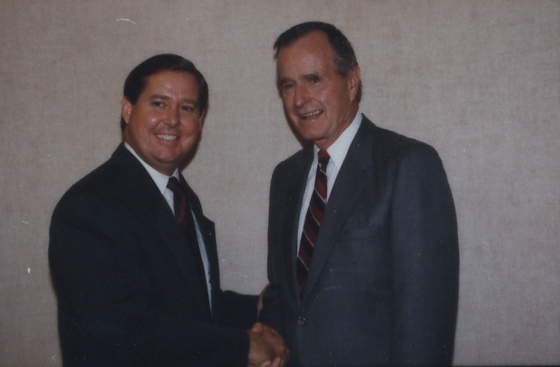
Yet until three weeks before Election Day, the two sides were polling dead even. At that point, the anti-tax forces pulled out all the stops. You could not turn on a radio or TV without teeth-gnashing boutique owners sobbing about how they were going to lose the businesses they had built with their own two hands. Ultimately, the business coalition outspent the unions by a margin of more than twenty to one.
In actuality, no small businesses would have been affected by the taxes. But the tactic of corporations hiding behind mom-and-pop stores, deployed against progressive taxes since time immemorial, proved effective. That prevarication, coupled with the equally venerable blackmailing canard that all the “job creators” would leave the state — and multiplied by the huge imbalance in political spending — meant that we lost by a wide margin, 59–41. All the smart people said, “You see. We told you. California is an anti-tax state and will remain that way forever.”
Some of us felt the story had a different moral. Studying the campaign timeline, we saw that progressive taxes were at first blush popular. Until the opposition’s river of negative media advertising widened into a flood, with no comparable answer forthcoming from our side, the public was far from convinced how evil Prop 167 was.
We posited that if the unions were to pony up a reasonable amount of campaign funding for media alongside a robust field operation, we could win a future campaign. But that insight — blocked by the common wisdom among the political cognoscenti that California’s electorate had been “anti-tax” since Prop 13 and would remain that way until Judgment Day had to wait for some twenty years to be tested.
Poor consolation: the unions’ feint worked, and Wilson’s measure went down to defeat.
Lesson Two: The Right Message at the Right Time
Two decades later, following the subprime mortgage housing crash and Great Recession, my union organized and led a successful campaign to pass a progressive tax. After three years of massive state budget cuts pummeling public schools and social services, the state still faced a record multibillion-dollar budget deficit.
To ward off further harm, we went on offense, pulling together a coalition that included unions and community and faith-based groups. In our early meetings we came up with three criteria to test in opinion research: What tax would raise the largest amount of revenue, drawn from the most progressive source, with the best chance of winning?
These deliberations and tests resulted in our proposal for a millionaire tax ballot measure to add two top-tier marginal tax rates to the state income tax schedule: an additional 3 percent on income between $1 million and $2 million, and 5 percent on any income above $2 million. We calculated that this would raise $5 billion — not enough to fill the entire state budget hole, but a good start and, following our criteria, winnable. The core of our message: “Tax the rich for schools and services.”
We had tested similar sentiments a year earlier with a march from Bakersfield to Sacramento and found over six weeks that they resonated deeply in the communities of the central valley, supposedly a conservative bastion. Reinforced now by our opinion research, we began circulating petitions to gather the requisite number of voter signatures to place our millionaire tax on the ballot.
Then-Governor Jerry Brown had a different idea. Notoriously averse to opinion research, and with a record of electoral success based on his gut instincts, he rejected our overtures to join the campaign and put a rival petition for signatures into circulation with a mix of progressive and regressive taxes, including increases on the lowest income earners along with a 1¢ sales tax increase. Our research told us (and we told him) that this would not fly with the electorate.
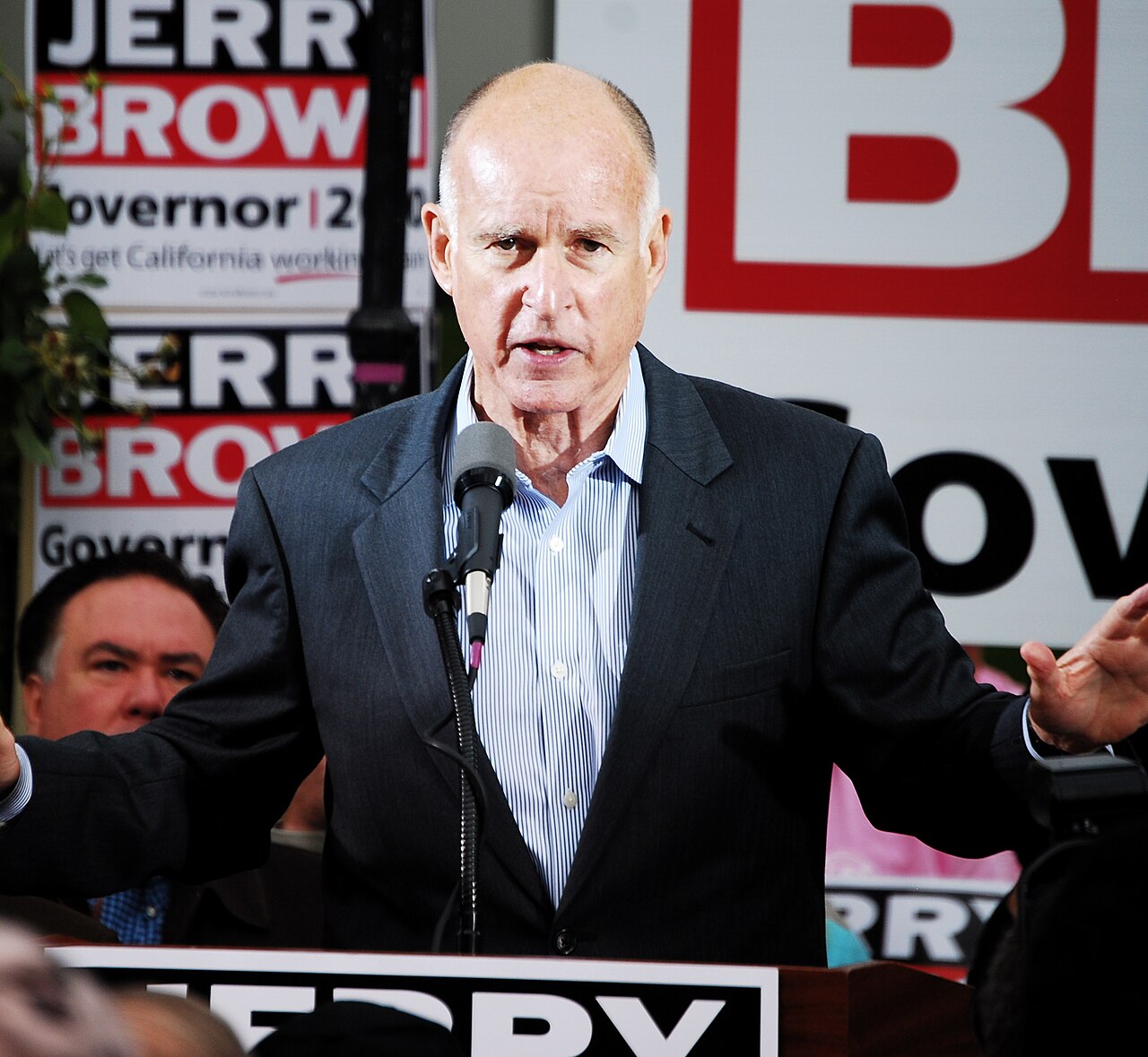
Our proposed measure came out on top of his in five straight opinion polls over several months, but he remained unmoved until the first week of March 2012. During that interval, he shaved away the other unions in our coalition with a razor governors have at their disposal: the threat to veto any legislation sponsored by groups that refused to comply with his will. Despite the loss of these partners (who behind the scenes let us know their hearts were still with us), we retained sufficient resources and coalition partners to put ten thousand marchers carrying millionaire tax signs in the streets of the capital, parading past Brown’s windows.
Two days later, we announced the results of a new poll showing our numbers going up and his going down. Brown finally caved. He called CFT president Joshua Pechthalt, a high school social studies teacher in Los Angeles, and worked out a compromise deal. This became Proposition 30, with two parts: three tiers of additional 1 percent tax bumps on individuals making $250,000, $300,000 and $500,000 a year, coupled with a modest 0.25 percent sales tax. Brown insisted on inclusion of the latter (we negotiated it down from his original 1¢ sales tax) due to his agreement with the Chamber of Commerce that they would stay out of the fight so long as Brown didn’t “demonize the rich.” With the sales tax, he said, everyone had skin in the game.
We didn’t like the sales tax, nor that the Prop 30 tax would be temporary; our millionaire tax proposal had been for a permanent tax. But Brown agreed to limit the sales tax to four years and extend the progressive income tax to seven years. And the Prop 30 package was actually projected to raise more money than our millionaire tax (and it has).
Lesson Three: A Big Coalition
With Brown on board, and all of our former coalition partners returned to the fold, we were set up for success. But first we had to overcome a messaging hiccup.
The governor had been campaigning mostly on the idea that Prop 30 would save education from further cuts. We agreed with that message, but based on our research — and the post–Occupy Wall Street injection of economic inequality into public conversation — we knew that there also had to be a strong emphasis on taxing the rich. Brown’s hodgepodge approach — save education, tear down the state’s wall of debt, shared sacrifice, and reluctantly, fair taxes — had to be redirected to what we knew were the winning messages.
After some internal conversations, he dropped the distracting mishmash and became a disciplined messenger, going straight to stripped-down messages on education, fair share of taxes for the rich, and emphasizing that the sales tax (our biggest worry) represented just one tiny penny on a four-dollar sandwich.
Prop 30 made it across the finish line with votes to spare, 55–45 percent, overcoming more than $50 million in opposition spending and decades of formerly unshakeable warnings that California voters would never ever vote for a tax. Thanks to Brown’s hefty campaign fund, we slightly outspent the rich conservatives who bankrolled the other side. That, plus our robust ground game (door-to-door canvassing and earned media from demonstrations, town halls, and other public events) and late course correction on messaging made the difference. Prop 30 was the largest income tax increase on wealthy Californians since World War II.
Four years later, as the sales tax expired, the coalition brought Prop 55 to the voters to extend Prop 30, this time as a pure progressive tax for another fourteen years. Brown didn’t bother participating, nor did we need him, as the wealthy reactionaries, having had their butts handed to them four years before, stayed home. A unified labor movement, with adequate funding and support from a wide spectrum of progressive community partners, executed well, and Prop 55 won in a landslide, by 64–36, demonstrating the popularity of taxing the rich if an undisturbed electorate makes its choice without a thumb on the scale from a well-heeled opposition.
The above are key pieces of the ancestry to this year’s Proposition 3 victory, which made the Prop 55 tax permanent. But there’s one more election story we should review, the lessons of which help explain Prop 3’s success and the defeat of Prop 40 on November 3.
Split Roll
In March 2020, now retired, and prey to the notion that “idle hands are the devil’s workshop”, I was gathering signatures with my local faculty union for the “Schools and Communities First” ballot measure, ultimately Prop 15. Generated by the same progressive tax coalition behind Props 30 and 55, Prop 15 was the long-anticipated “split roll” tax meant to overcome the choke hold placed over the state budget via property tax limitations in 1978’s Prop 13.
Prop 15 proposed a simple change: resetting the tax basis of commercial property from its last purchase price to current market value. It explicitly excluded residential and agricultural property and, attempting to neutralize small business opposition, set the bar for reassessment to property worth $3 million or more. It would have drawn more than 90 percent of its revenues from less than 10 percent of commercial property holders — entities like Disney and Chevron whose owners paid property taxes based on long-past-shelf-life assessments, robbing the state and its public services of billions of dollars each year.
At the outset, the measure polled well, although not as strongly as the millionaire tax had. But it ran into three problems.
The broad labor/community progressive tax coalition, well prepared, had gathered the most signatures ever for a California ballot measure campaign — 1.7 million — by mid-March. It would have been even more, but the intervention of the COVID-19 pandemic put a premature end to that activity. As it turned out, this represented but the beginning of how the pandemic undercut the yes campaign.
With the imposition of restrictions on public events and face-to-face contact, one of the main tools of labor-community coalitions against big money, grassroots people power, largely evaporated. Door-to-door canvassing and large rallies to draw earned media were out, as was tabling and leafleting in public spaces. The campaign thus developed a decent virtual speakers bureau program, including relational organizing efforts and battalions of letter-to-the-editor writers.
Although Prop 15 phone banking was well staffed with volunteers, it became tough for voters to distinguish volunteers from paid callers funded by oil corporations, realtors, and large commercial property owners like Chevron. Already weeks before Election Day, phone banks had been rendered less effective due to voter fatigue at the tsunami of calls.
A second factor was the problematic role of the National Association for the Advancement of Colored People (NAACP). Its president, Alice Huffman, steered the state organization into a no endorsement on the campaign, while her political consulting firm was accepting $740,000 in No on 15 contributions. The Huffman-led NAACP’s endorsement figured prominently in the massive direct mail operation that sent deceptive “No on 15” literature streaming into African American households, which claimed falsely that 15 would tax homeowners. The NAACP position was partly countered by Prop 15 endorsements from other institutional pillars of black communities, but it sowed confusion among African American voters.
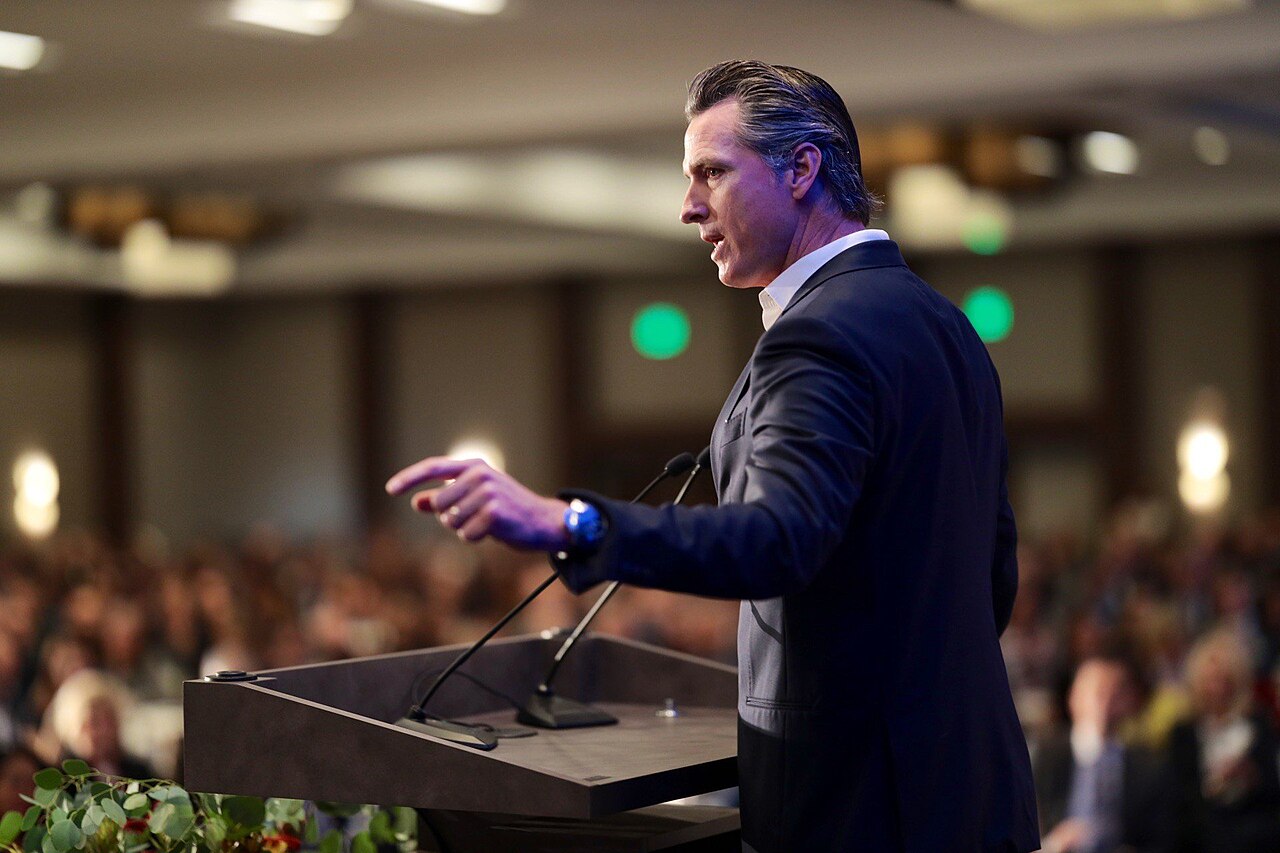
Third, Governor Gavin Newsom endorsed the measure late and declined to campaign for it. By contrast, Jerry Brown had been out every day in October 2012 calling for the passage of Proposition 30. Governors are reliable media magnets. The no side outspent the pro-15 forces by some $20 million, most of which went to TV advertising. Newsom missing in action meant the loss of earned media opportunities that could have counterbalanced the negative ads.
Had any one of these factors gone the other way, Prop 15 would have won despite its funding disadvantage. Instead, it lost narrowly, 52–48.
Between Election Campaigns
The defeat of Prop 15 and the pandemic in which it occurred left a nasty dent in progressive tax work and on the general atmosphere of the political left in California. The Democratic Socialists of America (DSA) played a significant role in the Prop 15 campaign, mounting a coordinated statewide effort among its twenty chapters. Its activists, fresh from the 2020 Bernie Sanders primary victory over Joe Biden in the state, had regrouped after Biden clinched the nomination and enthusiastically staffed phone banks for 15, logging more calls than most unions. But after November, the two major political disappointments in a nine-month span sent the mostly youthful cohort into a demoralized space; membership and activism decayed over the next few years.
A similar dysphoria enveloped the rest of the progressive tax coalition, which largely lost momentum, nursing its wounds through the 2024 election cycle. Beyond the general disorientation and social anomie fostered by the pandemic, the education unions (the California Teachers Association [CTA], CFT, and significant sectors of the Service Employees International Union) leading the coalition had to face unrelenting attacks from the Right for their support of school closures, diluting energy for other commitments.
One of the coalition’s community organizations, California Calls, kept the faith and continued to host sparsely attended meetings. Only CFT, with little active support from the other groups, pushed a new effort in the legislature. The union worked with Alex Lee, a state assemblymember in Alameda and Santa Clara counties (and the only state representative at the time associated with DSA) to promote wealth tax legislation. Since everyone understood Newsom would veto any such bills, a paper Democratic legislative supermajority meant nothing (even if it had been unified on the issue, which it wasn’t) and these bills did not advance.
Limited meetings and deferred decision-making brought no campaign in 2024. But heading toward the 2026 midterms, the coalition got its act together, tested the waters on several proposals, and decided its best move was to make Prop 55 permanent. This would ensure that the funding — an average above $10 billion a year from the progressive tax, or around 5 percent of the entire state budget — would continue, without which the public sector, especially education, would suffer serious budget reductions, and high-end income earners would receive an entirely unnecessary tax cut.
Or so went the plan before Trump’s “Big Beautiful Bill.” HR 1 gave federal tax cuts to the rich and paid for it with massive reductions to Medicaid, including a loss of some $20 billion a year for California’s share of that program (called “Medi-Cal” here). The looming threat to Medi-Cal and by extension to health care jobs spurred SEIU-United Healthcare Workers into action.
Enter the Billionaire Tax
A 120,000-member statewide union representing frontline workers across numerous corporate and public health care entities, UHW stood to lose tens of thousands of jobs after January 1, 2027, if nothing changed. Its president, Dave Regan, had used ballot measures in the past — dozens of them — to leverage his union’s interests in Sacramento. Sometimes this meant maintaining the efforts all the way to November,and at other times agreeing to drop them from the ballot if negotiations with employers or the legislature gained improved outcomes.
So no one was sure, when the billionaire tax entered the picture in September 2025 with a filing for title and summary, whether it was a straightforward entry into the ballot measure lists or a bargaining ploy for Regan with Gavin Newsom and the state legislature. What unfolded suggests an initial goal of a negotiating chip that, in failing, forced the union, fatefully, to repurpose it as a real ballot campaign.
The measure itself, despite claims by opponents that it was poorly designed, was put together by a rock-star team of progressive economists and lawyers who fully understood the present and future perils of nonchalant-ing its construction and, at least from this layman’s point of view, gave it a solid foundation on both economic and legal grounds.
Although Regan approached the progressive tax coalition with a request for support, the conversation did not go well. Its leaders felt the measure was ill-timed and could get in the way of Prop 55 renewal. Regan’s position was essentially a pointed question: What about the three million Medi-Cal recipients and thousands of union jobs? To which the coalition leaders gave an unsatisfactory answer predicated on by no means certain budgetary maneuvers and legislative goodwill. Regan’s blunt personality preceded him into the room and was a factor in the discussion, which ended in mutual antagonism.
The Opposition Consolidates
By late December, several of the wealthiest tech moguls in California, having created the “Building a Better California” PAC to oppose the tax, celebrated the season with a party in Marin whose guests included Sergey Brin (Google cofounder, worth $250 billion and a MAGA donor) and Newsom. Brin reportedly cornered the governor and gave him a piece of his mind about the tax, threatening to leave the state if it passed. Newsom promised to try to get rid of it and was as good as his word, quickly becoming its most high-profile non-right-wing billionaire opponent and reliably delivering their false talking points (all the billionaires will leave, innovation will be smothered, California will be left a smoking husk).
As a signal to his left that he didn’t share an entire bed with right-wing sociopaths, he added his own two cents: billionaires do need to pay their fair share, but a) at the federal level, not via the state, and b) it’s a good idea but fatally flawed (repeating a commonly employed argument for campaigns against ballot measures).

The measure received its title and summary around the first of the year (late for this sort of thing; Prop 3 had been gathering signatures already for months), and UHW began campaigning at the same time as the billionaires and their puppet governor danced and sang before an eager audience of mainstream media editors and reporters — none of whom seemed to know how to ask uber-rich people questions like: What impact will passage of this measure actually have upon your life/finances/business?; What is a greater value, your keeping every penny or millions of poor people keeping access to health care?; What does it mean to “leave the state” when you already own multiple mansions all over the country and world?; or Without your tax dollars, what other action do you suggest the government should take to prevent this health care debacle from occurring?
The small coterie of fuming billionaires unearthed and spent the quarters from their couch cushions (piling up close to $400 million to date and counting, the largest sum ever expended on a California ballot initiative) to pay for consulting firms, gather signatures for two poison-pill measures to nullify 40, launch salvos of direct mail. and reserve massive media buys.
Regan met with Newsom and attempted to work out a deal. In exchange for the governor’s support, the UHW president offered to pull the measure from the ballot and drop to a new bottom line: from 5 percent to 2 percent. This would have had the effect of reducing the revenue from $100 billion over five years to $40 billion — enough to get through two years of covering the Medi-Cal cuts before (presumably) a Democratic administration would be in national office, which (again presumably) would restore federal funding for Medicaid. But Newsom declined the deal.
There matters stood until the June midterm Democratic primary. When Tom Steyer, the sole gubernatorial candidate supporting the billionaire tax, failed to make it into the top two for November, the CTA, State Building Trades Council (BTC), and Planned Parenthood, among others, immediately announced their public opposition to the billionaire tax.
CTA was the only organization offering a principled reason for its position. Prop 40 allocated 90 percent of its projected revenues to shoring up Medi-Cal, which violated the state budgetary rules put in place from an earlier voter decision, Prop 98, that mandates 40 percent of the state general fund to public education. CTA’s opposition to the billionaire tax was consistent with their long-standing defense of that line in the sand. If it had stopped there, its hands would have been clean.
Instead its leaders signed onto the scary and false messaging flowing from the billionaires’ playbook: Prop 40 would cause the billionaires to flee. The state would lose substantial tax dollars. Because the tax is temporary, voters should reject it, because it doesn’t meet the long-term needs of the state. The last one took the cake, as CTA with its other breath was urging passage of Prop 3, which it had supported as a temporary tax beginning in 2012 up to this election cycle.
At the time of CTA’s announcement, it posted its recommendations for the full slate of propositions on its website. Next to the no vote on Prop 40, it placed, without explanation, a link to the Building a Better California website. After a few weeks the link was removed.
The public statements from the BTC, Planned Parenthood, and the others simply parroted the billionaires’ talking points and aren’t worth dissecting. It is important to note a common strand among these nominally progressive groups’ decision-making processes: none offered a plebiscite to their members on the question. The BTC is one of the most conservative sectors of the labor movement and reliably tails behind the promises of construction capital for jobs. It was Planned Parenthood’s foundation board, which relies on philanthropy, that voted for opposition.
These moves were amplified by the billionaire media machine, which emphasized the split in the progressive community and labor when it wasn’t simply pretending that “teachers” were opposed. (The lie was exposed, to little media notice, when two of the largest local CTA affiliates, United Teachers Los Angeles and United Educators of San Francisco, came out for Prop 40. Shortly afterward the California Federation of Teachers, which had been neutral, and which has a more democratic governance structure than CTA, switched to a support position.)
Momentum Returns and Recedes
Things looked bad for Prop 40 until three days at the beginning of August. At that point, UHW’s organizing within two of the major institutions of California progressive politics paid off.
First, the state Democratic Party leadership, expressing its displeasure with the governor, voted narrowly to endorse the billionaire tax. The next day, with President Lorena Gonzalez leading the charge, the California Federation of Labor Unions came overwhelmingly on board. As icing on the cake, the California Nurses Association joined the newly expanding coalition the following day.
But this represented the high point of the campaign. Late endorsements and sporadic earned media emanating from such events as enthusiastic rallies featuring Bernie Sanders and Ro Khanna and cheerleading by Nobel Prize–winning economists turned out to be no match for the record-setting spending tide of the other side, which all along had been steadily eroding the early advantage in poll numbers among a public disgusted with Trump-supporting oligarchs.
A no campaign has more messaging tools at its disposal than the pro side of a ballot measure. Where the latter has to make and hold its case before the electorate on the merits, the opposition — especially one with an unlimited pocketbook — doesn’t have to convincingly argue on the same ground. It only needs to cast doubt on the enterprise, showing (or claiming) that various trusted messengers are opposed, rolling out “experts” who “prove” it’s all wrong, and muddling the issues through fearmongering and misdirection.
Communications from hell, summoned up by demonic billionaire-backed consultants performed those tasks well.
Homeowners learned that they were the target of unnamed but terrifyingly evil “Sacramento politicians” who wanted their homes (like those in the 2020 split roll campaign). Old people found that their pensions were going to be taken away by Prop 40. “Stanford professors” (usually not identified for who they were: the right-wing Hoover Institute) demonstrated that the tax would strip California of innovation and tax revenues. And so on.
Progressive tax campaigns produce time-tested, predictable reactions from right-wing rich people, which backers of the measures do well to inoculate against. While modulating with circumstances, they fall into three main themes:
The “job creators” will all leave, taking all the jobs with them in their platinum-lined backpacks. The innovation this time around was substituting wealthy “taxpayers” and “tax revenues” for employers and jobs.
This is a tax on “you.” This takes two forms: an outright lie making a levy on 250 people into a general tax, and “First they come for the billionaires, then they come for you.”
Misdirection: pretending small business owners/homeowners/pensions are the targets, obscuring the point of economic inequality and the tax-dodging of the superrich.
Inoculation is possible, but it requires a sufficient timeline before the campaign proper to manufacture the needles and serum and delivery, and sufficient financial resources to pay for it all.
With a relatively popular governor actively opposed, and putatively progressive organizations gravely restating the false messages that billionaires couldn’t have convinced the public to believe on their own, the billionaire tax had too big a mountain to climb. A progressive tax campaign needs three things to have a reasonable shot at winning: the right message at the right time; the largest coalition possible; and sufficient cash for at least a modicum of paid advertising to augment its field campaign and earned media against the most well-funded opposition imaginable. Prop 40 had but one out of three, and it wasn’t enough.
Compare and contrast with Prop 3’s advantages. Built on a long-standing and extensive coalition of unions and community organizations, with the full backing of the Democratic political establishment (including the governor, who otherwise never met a progressive tax he liked), and with a bank account supported by the biggest labor political contributor (CTA) in the state, and facing virtually no opposition spending, it offered a free lunch to the public (“not a tax increase” — technically true, just maintaining an earlier one) along with its backward, modestly progressive tax messaging (“If it fails, rich people will get a completely unnecessary tax cut”).
Prop 3’s victory relied on keeping below the line of fire aimed at Prop 40. It might have been a larger target itself had the billionaire tax not existed. But in that event, as in 2016 with Prop 55, the progressive tax coalition would probably have prevailed anyway, because it was sufficiently prepared and resourced. CTA did not have to hand the billionaires a winning card against a historically justifiable tax on plutocrats for a good cause. Their action dismissed the possibility of a united two-proposition tax the rich campaign that could have provided much-needed consciousness-raising in the electorate about the evils of our New Gilded Age imbalance of wealth and power. Such a dedicated education campaign remains an urgent task.
At one level, it’s pointless to second guess what SEIU-UHW might have done differently to get Prop 40 past the third of a billion dollars a couple dozen sociopathic tech oligarchs spent to keep every speck of their hoard and prevent a few million of the poorest Californians from gaining back the health care Trump stole from them. It’s done. But it’s also essential to understand the mistakes that could have been avoided so as to not commit them again the next time around.
What’s Next
The loss of Prop 40 does not mean the end of progressive tax conflict in California. It’s a battle lost, not the war. We can close this account with a note about the short term and the longer run.
It remains to be seen whether the deal originally offered to the UHW will materialize, and budget maneuvers and modest corporate tax increases or loophole closures backed by the legislature and Governor-elect Xavier Becerra will result in enough revenue to reverse the loss of health care for millions of California residents caused by the cruel actions of Trump and the federal government. It’s within the power of the new governor and legislature, if they are committed to it; the tax increases (on income, since thanks to passage of the billionaires’ deceptive Prop 42, wealth taxes are off the table for the time being) will simply require a legislative supermajority of two thirds. If the “blue wave” of November 3 should mean anything to the legislators, it’s that now is the time to act without fear of electoral retribution on that score.
Beyond the immediate need to plug the funding gap left by the failure of the billionaire tax, those interested in reversing the stratospheric economic inequality that allows a handful of spoiled oligarchs to thwart what would otherwise be the will of an electoral majority must rise beyond the narrow definition of success of the Prop 3 coalition. Future progressive tax victories cannot depend on an “I win, you lose” mindset between what should be coalition partners.
The key here is that all potential interested partners need to get over sectoral myopia and understand the common problem, the common enemy, and common working-class interests. Or, as Martin Luther King Jr noted in another time and place, “The best way to solve any problem, is to remove the cause.” The other side is serious. Are we?