Was Karl Kautsky Right About Ultra-Imperialism?
Publishing a theory of capitalist peace six weeks into World War I was catastrophic timing. The problem is that the post-war order looked a great deal like what Karl Kautsky described.
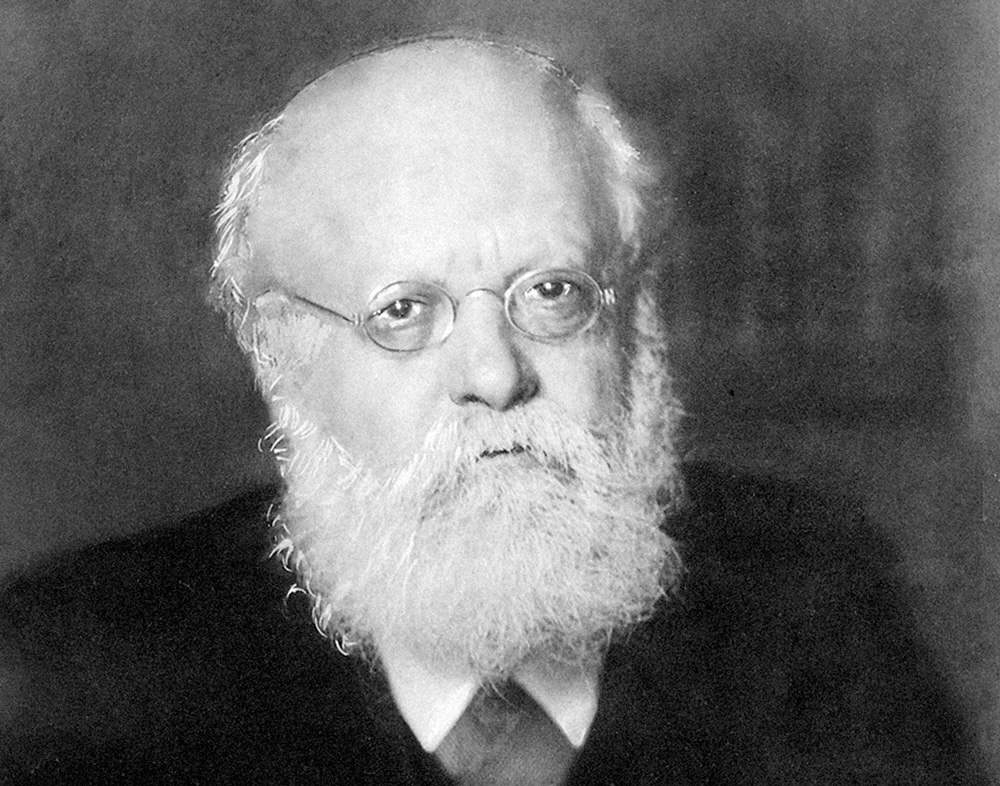
Karl Kautsky’s theory of imperialism formed one of several fault lines in his relationship with Vladimir Lenin and other Marxist revolutionaries. (ullstein bild / Getty Images)
Six weeks after the outbreak of World War I, as Europe’s great empires sent millions to their deaths, Karl Kautsky published an essay predicting something almost impossible to believe. In an article for Die Neue Zeit called “Der Imperialismus,” better known under the English title “Ultra-Imperialism,” Kautsky argued that the leading powers were, despite all evidence to the contrary, moving toward not endless conflict but peaceful cooperation.
The claim quickly came to seem absurd. As the trenches filled with corpses and the war consumed an entire generation, Kautsky’s essay looked less like a penetrating analysis than a spectacular misreading of history. Today most young socialists encounter “Ultra-Imperialism” only as the foil for Vladimir Lenin’s Imperialism, the Highest Stage of Capitalism — a naive theory that mistook the realities of global capitalism and furnished an intellectual rationale for Kautsky’s increasingly centrist politics.
But before tossing Kautsky’s “Ultra-Imperialism” into the dustbin of history, it’s worth looking at what he actually had to say.