Scottish Nationalists Hang On to Power, Without Authority
The Scottish National Party’s former chief executive Peter Murrell has pled guilty to embezzling £400,000. While the Scottish independence movement promised deeper democracy, the SNP leadership has operated like a cartel.
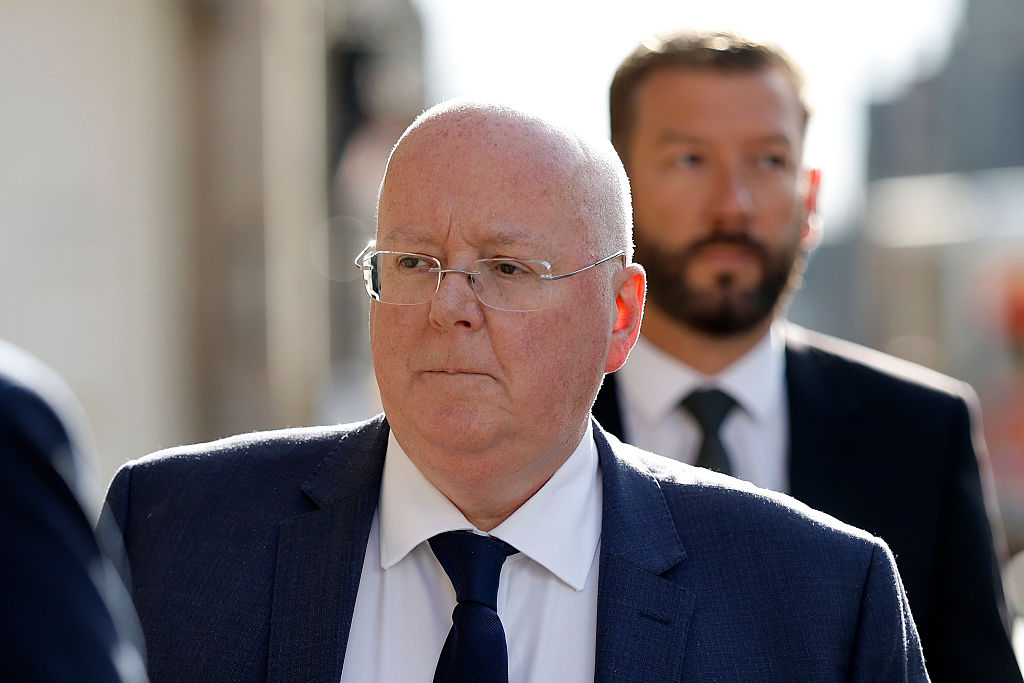
Peter Murrell’s embezzelment crime constitutes the most egregious example of the cartel politics that gripped Scotland’s national movement in the wake of the 2014 independence referendum. (Jeff J Mitchell / Getty Images)
The Scottish Parliament election on May 7 returned the Scottish National Party (SNP) to Holyrood for a historic fifth term in office. Bucking the anti-incumbency trend sweeping Europe, John Swinney’s SNP won fifty-eight seats to begin its third consecutive decade in power.
The result, coupled with the success of left-nationalist Plaid Cymru in Wales, has raised renewed questions about the enduring unity of the British state. Even Labour’s Wes Streeting is worried. “For the first time in our country’s history, nationalists are in power in every corner of the United Kingdom,” wrote the former health secretary as he resigned from Keir Starmer’s Cabinet earlier this month.
Beneath the surface, however, the Scottish election is far more indicative of the stasis gripping the nation than it is a sign of imminent constitutional upheaval.