Capitalist Profits Depend on Stealing Our Future
Capitalists have succeeded in arranging the future as a calculable source of extraordinary wealth, enriching a few in the present by imposing debts on the vast majority — and undermining the environmental conditions for a better tomorrow.
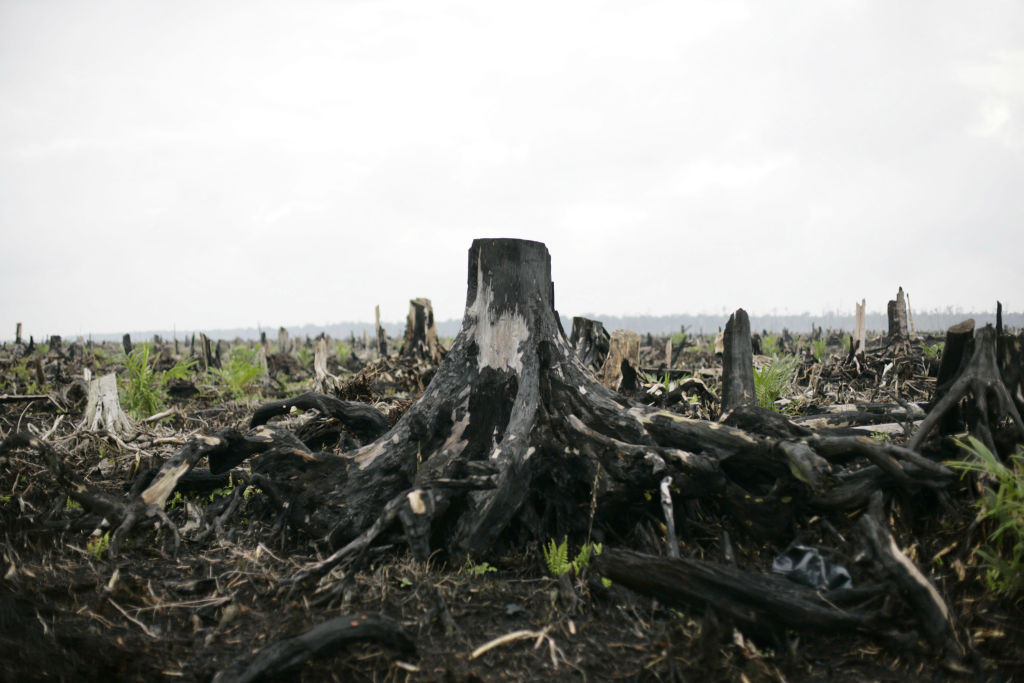
Capitalist profitability increasingly depends on the extraction of value from the future, whether that takes the form of burdening ordinary people with debt or imposing severe ecological costs on coming generations. (Dimas Ardian / Getty Images)
We live in an age in which extraordinary wealth seems to arrive from unfathomable sources. When the US firm Uber went public in 2019, the stock market set its value at $82 billion, an immense figure for a ten-year-old car service company that owned no cars and had never made a profit. To explain such events, the news media often turn to metaphors from meteorology, describing the investors’ gains as “stratospheric.” What other way to explain, for example, how the $5 million that Goldman Sachs had invested in Uber in 2011 was now worth over half a billion dollars, a return in eight years of more than 1,000 percent? More critical commentators called the firm’s value something conjured out of “thin air.”
The source of such windfalls is nothing meteorological. To understand this way of making money we need to come down to Earth.
While Uber is an extreme case, its mode of acquiring unearned wealth is commonplace. The mode is a defining feature of our contemporary form of life, a key to understanding how and why the methods of enrichment and impoverishment we call capitalism came into being, and a clue to grasping why we now face the catastrophe of climate collapse. The company created its value by constructing a practical means of consuming the future.