Mongolia’s Crisis Is an Opportunity to Transform Its System
Over the last year, Mongolia has been experiencing a political crisis, with its parliament and president bitterly at odds. The crisis is symptomatic of a state and an economic model that denies the country’s people the benefits of its mineral wealth.
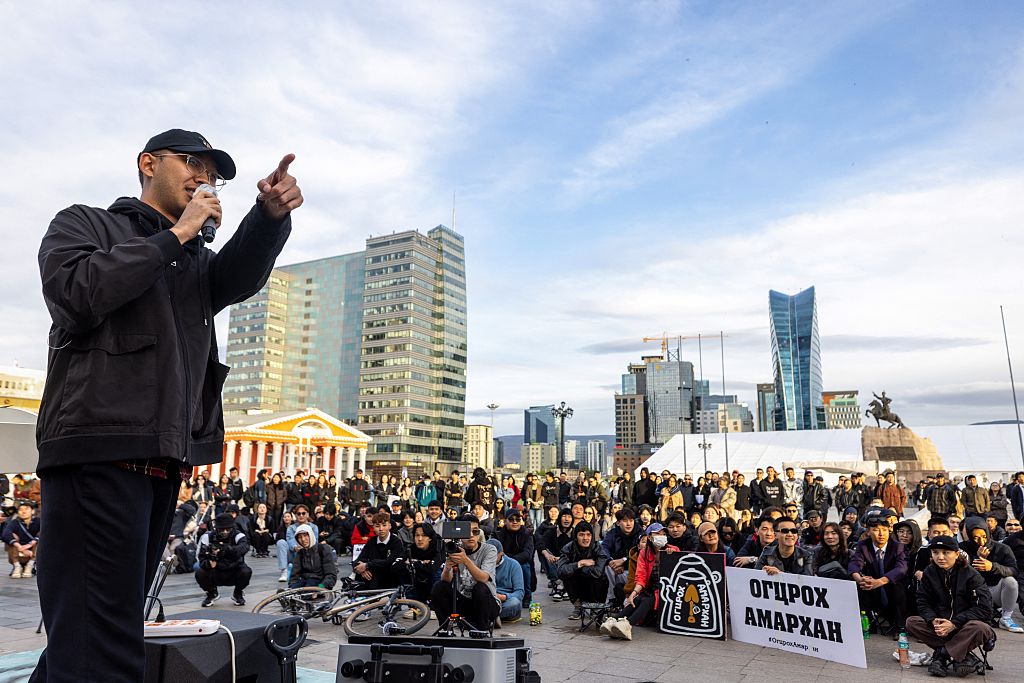
Mongolia’s political crisis creates an opportunity for the country’s masses to demand a new voice. Whether ordinary Mongolians can successfully take advantage of this opportunity will define the nation’s journey toward real accountability and democracy. (Byambasuren Byamba-Ochir / AFP via Getty Images)
On paper, the Mongolian state is becoming richer, with record exports, higher budget revenues, and decent rates of growth. Yet in daily life, it feels absent. Six years after winter protests that fused discontent over air pollution and corruption into a single story about trust or the lack of it, that story has only thickened.
Since then, Mongolia has moved from outrage over theft of public resources to open constitutional crisis. In October of last year, parliament voted to remove Prime Minister Zandanshatar Gombojav barely four months into his term.
Three days later, the president vetoed the dismissal on constitutional grounds. Tsets, Mongolia’s constitutional court, deemed the president’s veto lawful, ruling that a parliamentary motion passed by the State Great Khural to dismiss the PM violated several procedural and constitutional principles.