Corporate Lobbying and the US Attack on Venezuela
Over the past year, corporate actors who stand to benefit from US-backed regime change in Venezuela spent hundreds of thousands of dollars lobbying the Trump administration, including over their economic access to the resource-rich nation.
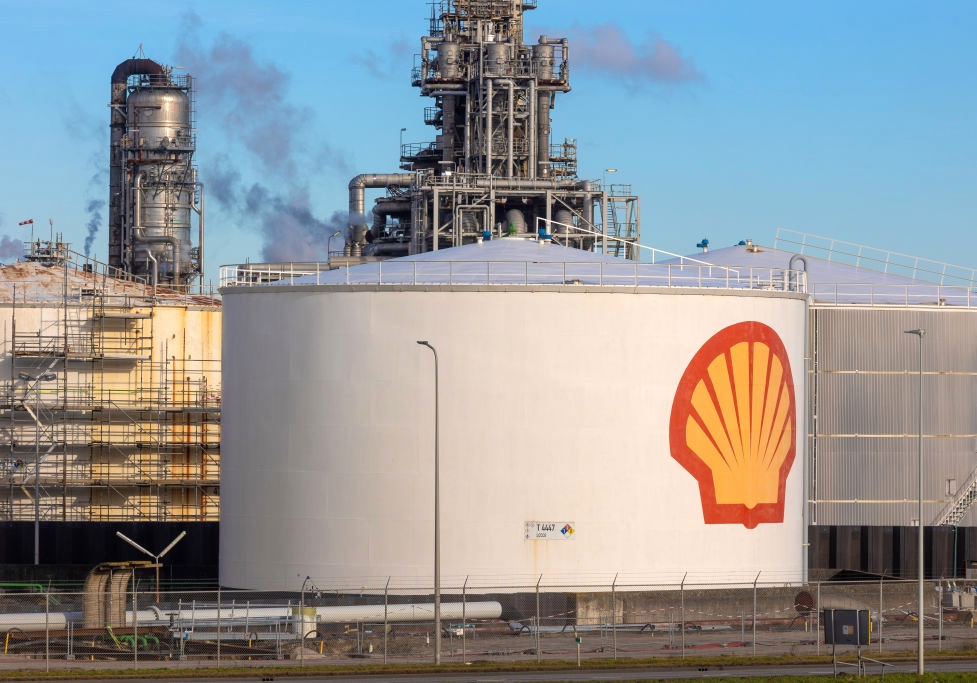
Oil and gas giants Shell, Phillips 66, and Chevron noted in disclosures covering the first three-quarters of 2025 that they lobbied the Treasury Department regarding Venezuelan sanctions. (Peter Boer / Bloomberg via Getty Images)
In the year leading up to the Trump administration’s invasion of Venezuela, corporate actors who stand to benefit from United States–backed regime change in the country — including fossil fuel magnates, international creditors, and cryptocurrency firms — spent hundreds of thousands of dollars lobbying the Trump administration on Venezuela, including over their economic access to the resource-rich nation.
Oil and gas giants Shell, Phillips 66, and Chevron noted in disclosures covering the first three-quarters of 2025 that they lobbied the Treasury Department regarding Venezuelan sanctions or licenses issued by its Office of Foreign Assets Control (OFAC). OFAC licenses serve as lucrative business waivers that circumvent US-imposed economic sanctions.
Chevron is currently the only US-based holder of a general waiver granting the fossil fuel firm permission to broadly operate in Venezuela’s vast oil fields, which represent about 17 percent of world’s global supply.
Disclosures filed on behalf of Mare Finance Investment Holdings, an Ireland-based creditor, reveal the company spent $240,000 lobbying in the first three-quarters of 2025 on a single issue: “Interest in OFAC licensing for purposes of enforcing portion of an award against Venezuelan assets.” That means the firm is likely seeking US permission to do business in the country so it can pursue settlement money it’s owed by Venezuelan president Nicolás Maduro’s government.
In 2017, months before Venezuela — reeling from US sanctions and economic turmoil — defaulted on tens of billions in outstanding bonds, court records show that Mare Finance spent $115 million to acquire the rights to an unpaid $500 million-plus settlement that the Venezuelan government owed a major glass manufacturer for its nationalization of two glass factories the company had invested in.
A lobbyist for Mare Finance did not respond to a request for comment.
The Lever recently reported that companies have increasingly turned to the World Bank’s International Center for Settlement of Investment Disputes, which arbitrates disputes between private investors and sovereign nations, to seek financial restitution from the state of Venezuela over its nationalization of key industries and damages caused by domestic instability. The court has been criticized for prioritizing investors’ interests over sovereign nations.
For example, just weeks before Donald Trump’s invasion of Venezuela, US-based oil rig operator Halliburton filed a suit in the arbitration court demanding that Venezuela reimburse the company for $200 million in losses it allegedly incurred by complying with US sanctions blocking its operations in the country.
The Blockchain Association, a major cryptocurrency trade group, has also been pressuring the government on Venezuela, with disclosures revealing the association lobbied the White House and Congress on a bipartisan 2025 bill that would further restrict Americans’ financial dealings with the Maduro government, including those involving cryptocurrencies. Venezuela has reportedly been accepting digital currencies as payments for oil sales to evade US sanctions.
The Blockchain Association did not respond to a request for comment.