To James Baldwin, the Struggle for Black Liberation Was a Struggle for Democracy
James Baldwin knew that racism, properly understood, is a question of tyranny: wherever it persists, democracy does not.
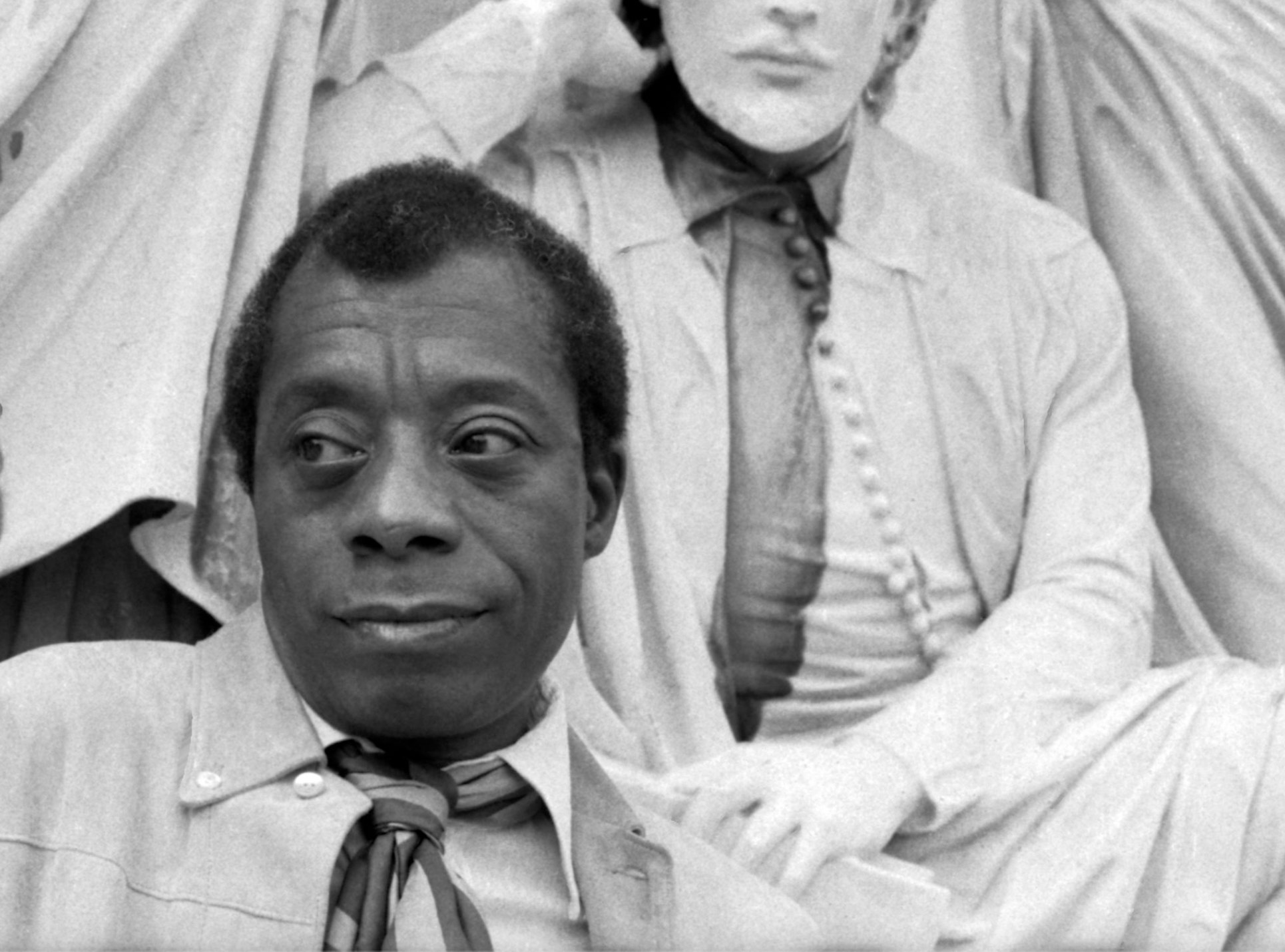
Portrait of James Baldwin at the Albert Memorial. (Allan Warren / Wikimedia Commons)
James Baldwin’s paternal grandmother was born into slavery. The preceding generations had lived and died in it. Chronology is not causation, but the writer’s attraction to the radical current can be better understood in light of this fact. The giant of mid-century American letters was near enough to bondage to know and love someone who had been bound.
He survived an era marked by the assassinations of members of his cohort — Malcolm was nine months his junior, Medgar eleven, and Martin younger by four years. A book detailing his memories of these men, his friends, was the last thing he was working on before his death. That work, like his legacy, never arrived at tidy denouement.
It is not only for that lack of resolution that Baldwin has gone through a renaissance in recent years. His frank assessments of the past have been summoned again, but this time to be read as a prophecy of a racial reckoning. But in making of him some soothsayer of America’s darker entanglements, the breadth and depth of his own thought has largely been effaced.