The Socialism of James Baldwin
James Baldwin went from espousing radical politics as a teenager to disavowing socialist politics as doctrinaire. But by the end of his life, inspired by the radicalism of the Black Panthers, Baldwin was again ready to proclaim himself a socialist.
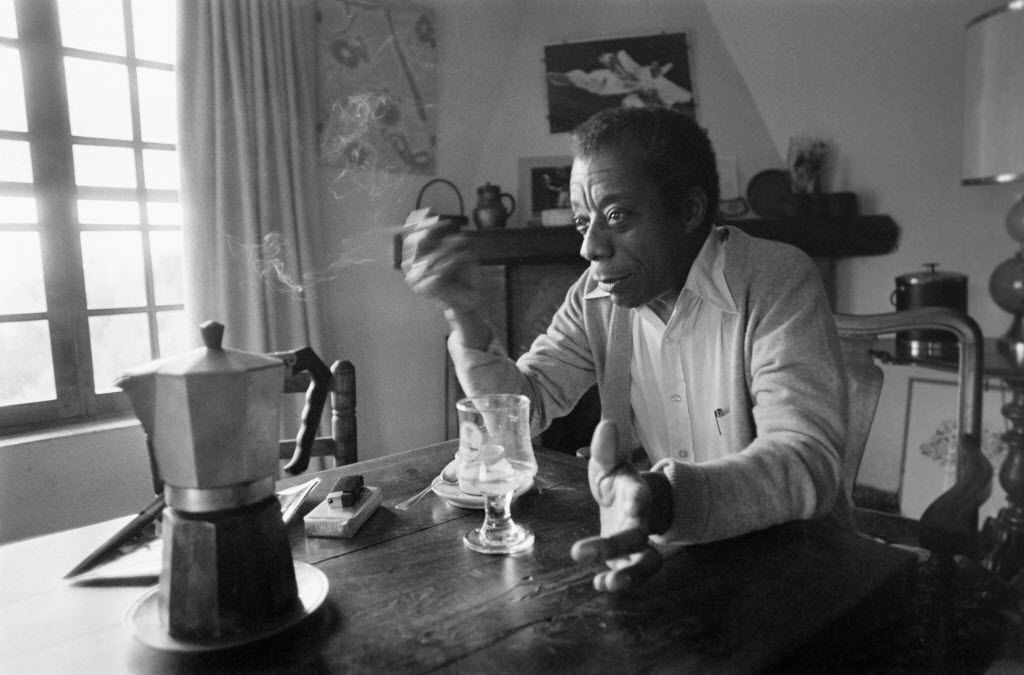
James Baldwin in the South of France in November 1979. (Ralph Gatti / Getty Images)
In the early 1940s, James Baldwin was in his teens and living in New York City when he joined the Young People’s Socialist League, a branch of the Socialist Party of America. His first foray into formal political life followed years of informal activity, including public agitation. “At thirteen, I had been a convinced fellow traveler,” Baldwin wrote in his political memoir, No Name in the Street. “I marched in one May Day parade, carrying banners, shouting, East Side, West Side, all around the town, We want the landlords to tear the slums down!” Baldwin’s attraction to left-wing politics was practical, based on his experience growing up in the tenements of Harlem. “I didn’t know anything about Communism,” he wrote, “but I knew a lot about slums.”
Baldwin’s self-conception as a budding socialist was a far cry from how he would later describe his relationship with the Left. “My life on the Left is of absolutely no interest,” he wrote in the introduction to The Price of the Ticket, a collection of his nonfiction works. “It did not last long. It was useful in that I learned that it may be impossible to indoctrinate me.”
What happened? Reading Baldwin’s writings, it becomes clear that it was contemporary socialism’s perceived inability to deal with the race question that estranged him from the movement, pushing the once-inspired agitator to deride left-wing politics as mere indoctrination. Baldwin would eventually return to socialism — but the homecoming would take thirty years and require the advent of a new form of left-wing politics, embodied in the Black Panthers.