How Black Marxists Have Understood Racial Oppression
The rich tradition of Black Marxist thought — one that includes W. E. B. Du Bois, C. L. R. James, and Frantz Fanon, among many others — emphasizes the centrality of capitalism to racial oppression and the destructiveness of that oppression for all workers.
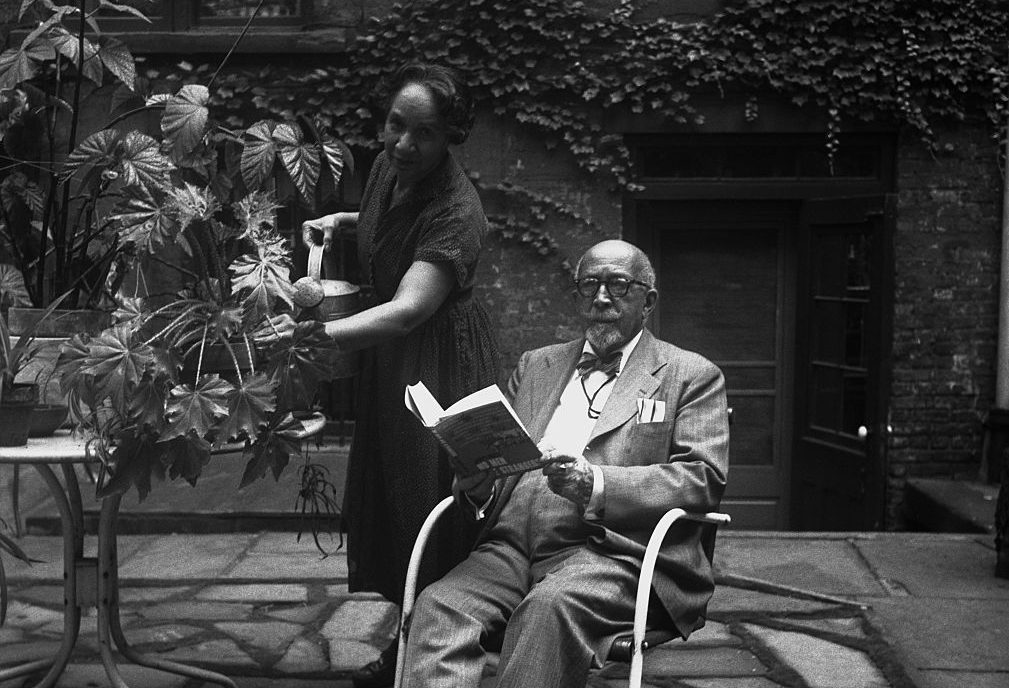
W. E. B. Du Bois poses for a portrait with his wife, Shirley Graham Du Bois, at their home in Brooklyn, New York, in 1958. (David Attie / Getty Images)
Socialists are often accused of ignoring or downplaying racism, or objectionably “reducing” it to class. But this ignores a rich tradition of Marxist theorizing about racial oppression that has come to be known as “Black Marxism.” The tradition of Black Marxist thought — which includes W. E. B. Du Bois, C. L. R. James, and Frantz Fanon, among others — emphasizes both the historical centrality of capitalism to racial oppression and the destructive consequences of racial oppression for black workers and workers generally.
Jacobin contributor Jonah Birch recently sat down with New York University professor Jeff Goodwin, a scholar of revolutions and social movements who has written about Du Bois and the Black Marxist tradition for Catalyst, to talk about the enduring intellectual contributions of Black Marxist intellectuals to social and political thought. Their discussion covered the centrality of capitalism to racial oppression, the heterogeneity of Black Marxist thought, and the continued life of this theoretical tradition today.
Jonah Birch
You recently wrote in praise of Black Marxism in Catalyst. What exactly do you mean by “Black Marxism”’?
Jeff Goodwin